Millions take Depakote for bipolar disorder and seizures, but stopping this powerful medication incorrectly can trigger life-threatening withdrawal symptoms—even seizures in people who never had epilepsy. Here’s what you need to know about safely discontinuing treatment.
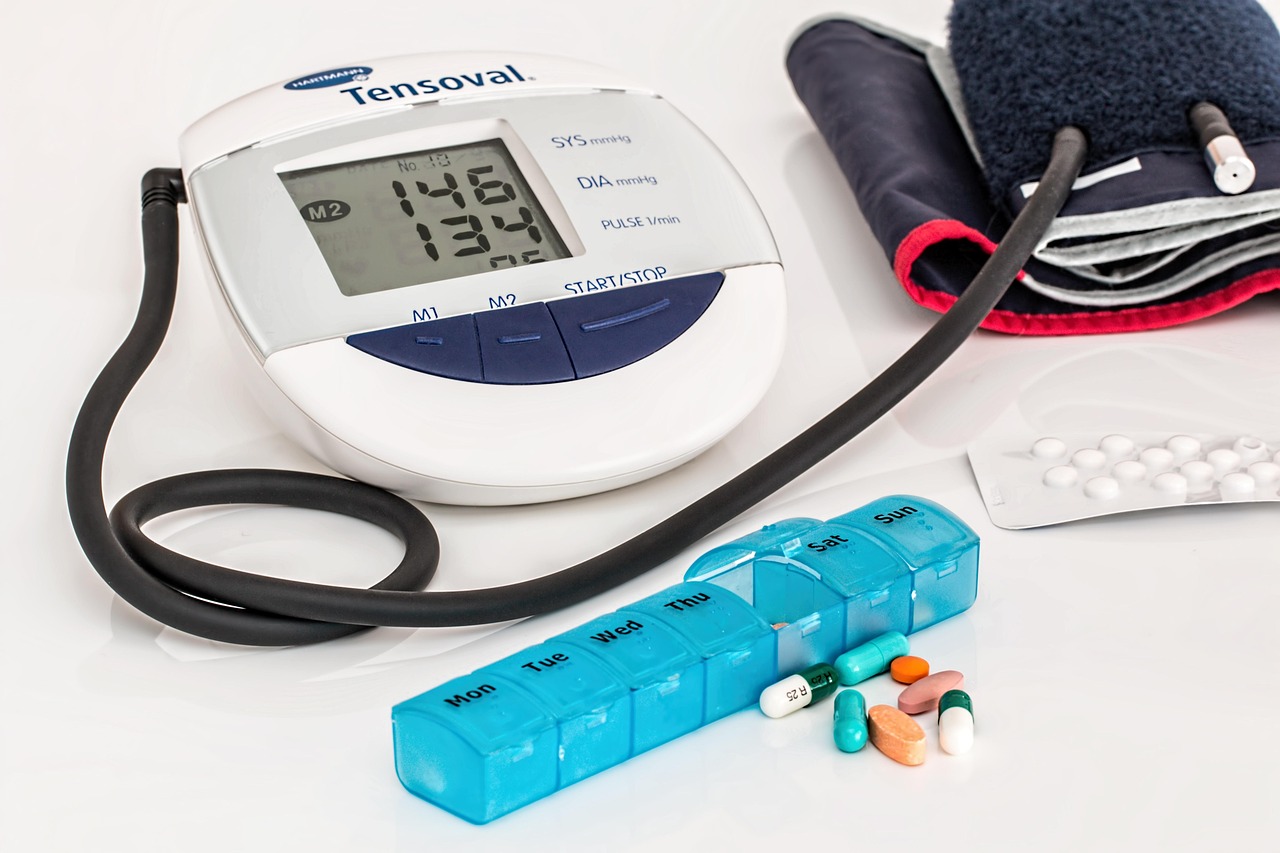
Depakote stands as one of the most established medications in mental health care, with millions of prescriptions written annually in the United States. While this mood stabilizer has helped countless individuals manage bipolar disorder, epilepsy, and migraines for decades, understanding its effects and proper usage remains crucial for anyone considering or currently taking this medication.
Depakote works by targeting the brain's electrical activity and chemical balance. The medication increases levels of gamma-aminobutyric acid (GABA), a neurotransmitter that promotes feelings of calm and relaxation. This mechanism helps reduce the overactive brain signals that contribute to manic episodes in bipolar disorder, seizure activity in epilepsy, and the neurological changes that trigger migraines.
Valproic acid was first synthesized in 1882, with Depakote (divalproex sodium) reaching the US market in 1978 after FDA approval. Depakote belongs to a class of medications called anticonvulsants or anti-epileptic drugs. Despite its seizure-prevention origins, the medication's ability to stabilize mood made it a valuable tool for psychiatric treatment.
The medication blocks voltage-dependent sodium channels, which suppresses high-frequency repetitive neuronal firing. This dual action—increasing calming chemicals while reducing excessive electrical activity—explains why Depakote proves effective across multiple conditions that involve brain overactivity.
Depakote dosing varies significantly based on the condition being treated and the specific formulation prescribed. For bipolar mania, doctors typically start with 750 mg per day using delayed-release tablets, while Depakote ER (extended-release tablets) begins at 25 mg per kilogram of body weight daily. Seizure treatment usually starts at 10-15 mg per kilogram per day for adults and children ages 10 and older, and migraine prevention often begins with 250 mg twice daily or 500 mg once daily.
The medication comes in several forms: delayed-release tablets (125 mg, 250 mg, 500 mg), extended-release tablets (250 mg, 500 mg), sprinkle capsules (125 mg), and oral solution. Most patients ultimately require individualized doses based on body weight, symptom severity, and treatment response, though individual needs vary considerably.
Depakote typically takes 1-2 weeks to show noticeable effects, as the medication needs time to build up in the system and begin regulating brain chemistry. Some users report feeling better within a few days, while others may need the full timeframe. Early signs that Depakote is working include a gradual stabilization of mood swings, reduced intensity of manic symptoms like racing thoughts and excessive energy, and an overall sense of emotional balance.
Rather than dramatic overnight changes, Depakote usually produces subtle improvements that become more apparent over time. Patients often describe feeling "leveled out" with their emotions existing in a more neutral baseline instead of extreme highs and lows. For those with epilepsy, success means fewer or less severe seizures, while migraine sufferers typically experience reduced frequency and intensity of headaches.
The majority of Depakote users experience some degree of side effects, particularly when starting treatment. Common reactions include drowsiness, dizziness, nausea, vomiting, abdominal pain, and changes in appetite. Many patients also report headaches, tremors, hair loss, and coordination difficulties during the initial weeks of treatment.
These side effects often diminish as the body adjusts to the medication, typically within the first few weeks. However, some effects like drowsiness and tremors may persist throughout treatment. Vision disturbances, including blurred or double vision, can occur along with flu-like symptoms and ringing in the ears.
Depakote carries several serious long-term risks that require ongoing medical monitoring. Liver damage represents the most significant concern, particularly during the first 6 months of treatment, as the medication is processed through the liver and can cause elevated enzyme levels in some patients. This hepatotoxicity typically occurs without symptoms, making regular blood tests necessary for early detection.
Other serious risks include pancreatitis (inflammation of the pancreas), bleeding problems, and dangerously low body temperature. High ammonia levels in the blood can develop, potentially causing confusion and other neurological symptoms. Long-term use may have metabolic effects, though individual responses vary considerably.
Weight gain represents one of the most common and concerning long-term effects of Depakote treatment. This occurs through multiple mechanisms including increased appetite, metabolic changes, and fluid retention. The weight gain typically develops gradually over months to years of treatment, affecting a significant percentage of long-term users.
Metabolic changes extend beyond simple weight gain to include alterations in hormone levels, particularly in adolescents and young adults. These hormonal shifts can affect energy levels, focus, and overall metabolism. Regular monitoring helps healthcare providers adjust treatment plans to minimize these metabolic impacts while maintaining therapeutic benefits.
Depakote poses severe risks during pregnancy, particularly in the first trimester when critical brain and spinal cord development occurs. The medication significantly increases the risk of birth defects, including neural tube defects, and can cause neurodevelopmental disorders and decreased IQ in children exposed in utero. These risks are so substantial that Depakote is generally avoided entirely during pregnancy unless absolutely necessary.
The FDA strongly recommends that women of childbearing age use effective birth control while taking Depakote. Healthcare providers typically discuss alternative medications with better safety profiles for women planning pregnancy or who might become pregnant. Some antiepileptic drugs, such as Lamictal (lamotrigine) and Keppra (levetiracetam), may be safer options for pregnant individuals. If pregnancy occurs while taking Depakote, immediate consultation with both psychiatric and obstetric specialists is necessary to weigh risks and benefits of continuing treatment.
Women who wish to breastfeed should consult their healthcare team about transitioning to safer alternatives while maintaining mood stability, as the medication transfers to breast milk and can affect the nursing infant.
Stopping Depakote abruptly can trigger dangerous withdrawal symptoms and potentially life-threatening complications. The medication suppresses electrical activity in the brain, and sudden discontinuation can cause a rebound effect where brain activity becomes hyperactive. This can lead to seizures even in people who have never had epilepsy, along with severe mood destabilization.
Gradual tapering allows the brain to slowly readjust to functioning without the medication's stabilizing effects. The nervous system needs time to recalibrate its electrical and chemical activity patterns. Rushing this process can shock the brain into a state of hyperactivity that can be both dangerous and extremely uncomfortable.
Depakote withdrawal symptoms can range from uncomfortable to dangerous, depending on how quickly the medication is reduced. Common symptoms include nausea, headaches, anxiety, irritability, and sleep disturbances. Many people experience a return of their original symptoms—manic episodes for bipolar disorder, seizures for epilepsy, or increased migraine frequency.
More serious withdrawal effects can include seizures regardless of the original reason for taking Depakote, severe mood swings, physical discomfort, and cognitive difficulties. These symptoms typically emerge within days of reducing the dose too quickly and can persist for weeks if the taper isn't properly managed.
Creating a safe tapering schedule requires medical expertise and individualized planning. Doctors typically reduce Depakote doses by approximately 25% every week, though this may vary based on the starting dose, duration of treatment, and individual patient factors. Most tapers occur over several weeks, with some requiring months for higher doses or longer treatment periods.
The tapering process involves regular check-ins to monitor for withdrawal symptoms and adjust the schedule as needed. Blood tests may be recommended to track medication levels and ensure safe reduction. Healthcare providers also watch for the return of original symptoms and may introduce alternative treatments during the tapering process to maintain stability.
Depakote and Lamictal serve different roles in bipolar disorder treatment, though both function as mood stabilizers. Depakote excels at managing manic episodes and mixed states, working quickly to calm overactive brain circuits. Lamictal, conversely, specializes in preventing bipolar depression and tends to be more activating rather than sedating.
The choice between these medications often depends on which aspect of bipolar disorder causes the most problems. Patients who struggle primarily with mania and mixed episodes may benefit more from Depakote's calming effects. Those whose main challenge is depression prevention might find Lamictal more suitable. Lamictal generally has fewer side effects than Depakote but carries a risk of severe skin reactions.
Some patients use both medications simultaneously, as they target different aspects of mood stability. The combination can provide coverage against both manic and depressive episodes, though it requires careful monitoring for drug interactions and cumulative side effects.
Managing Depakote treatment requires ongoing expertise and personalized care that extends far beyond initial prescribing. The medication's complex effects, potential side effects, and need for careful monitoring make professional guidance necessary throughout the entire treatment process. Whether starting Depakote, adjusting doses, or planning to discontinue treatment, having experienced medical support ensures both safety and effectiveness.
Successful Depakote management involves regular blood work to monitor liver function and medication levels, careful attention to side effect development, and proactive planning for any treatment changes. The medication's interactions with other drugs, its effects during pregnancy, and the complexity of safe discontinuation all require medical expertise to handle successfully.


