Losing all your teeth forces a tough choice, but here’s what might surprise you: the “cheaper” option could cost you more in the long run. One critical factor determines which path leads to lasting satisfaction and better health outcomes.
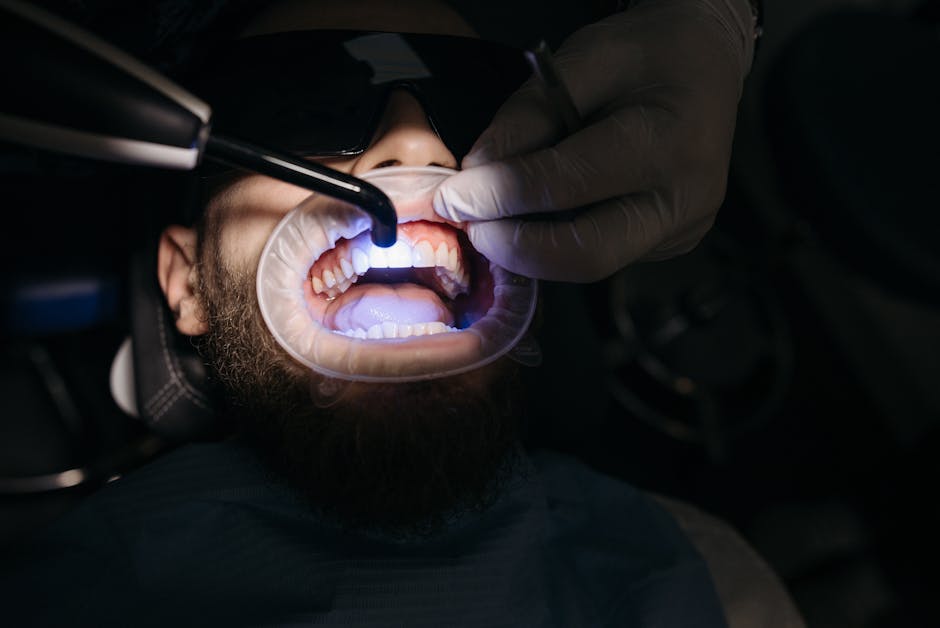
Facing complete tooth loss presents one of dentistry's most challenging decisions. The choice between full-arch dental implants and traditional dentures affects not just appearance, but daily function, long-term health, and quality of life for years to come.
The functional difference between implants and dentures becomes immediately apparent at mealtime. Full-arch dental implants can restore up to 90% of natural chewing ability, allowing patients to bite into apples, enjoy steaks, and eat corn on the cob without hesitation. Traditional dentures, by contrast, typically restore between 10-30% of original bite force.
Research consistently shows that patients with implant-supported solutions report higher satisfaction rates when eating various foods. One study found that patients with maxillary implant-supported overdentures opposing mandibular implant-supported overdentures showed significantly more satisfaction than those with conventional maxillary dentures.
The financial comparison between these options requires looking beyond initial price tags. El Dorado Hills clinic Fusion Dental Implants offers a detailed comparison, explaining that traditional dentures appear budget-friendly at first glance, but the complete cost picture tells a different story over time.
Traditional dentures cost between $1,600 and $3,000 per set, making them the more accessible option for immediate tooth replacement. These are average cost ranges and can vary significantly based on individual needs and location. This lower barrier to entry explains why many seniors choose dentures as their primary solution for complete tooth loss.
Full-arch dental implants require a significantly higher upfront investment, ranging from $15,000 to $30,000 per arch. This premium reflects the surgical procedures, titanium implants, custom prosthetics, and specialized expertise required for successful treatment.
Denture maintenance includes potential costs for relining, typically ranging from $200-$500 every 1-3 years, depending on the individual's rate of bone change and denture fit. Denture adhesives, cleaning solutions, and replacement costs add hundreds more annually.
Dental implants require minimal ongoing expenses beyond regular dental cleanings. The crown or prosthetic portion attached to implants may require replacement every 10-15 years due to normal wear and tear. The implant itself can last decades or even a lifetime with diligent oral hygiene and regular dental checkups. This translates to lower lifetime costs despite the higher initial investment.
Many dental practices now offer flexible financing options to make implant treatment more accessible. Monthly payment plans, dental financing companies, and insurance coverage for certain aspects of treatment help bridge the gap between upfront costs and long-term value.
Durability represents one of the most significant differences between these tooth replacement options. Understanding expected lifespans helps patients make informed decisions about long-term value and replacement planning.
Traditional dentures typically last 5-10 years before requiring complete replacement. However, they need adjustment much sooner. Most denture wearers require relining every 1-3 years as the jawbone naturally changes shape, affecting fit and comfort.
These frequent adjustments become necessary because dentures don't address the underlying bone loss that continues after tooth extraction. As the jaw shrinks, dentures become loose, uncomfortable, and less functional, necessitating professional intervention.
Full-arch dental implants are designed to last decades, often a lifetime, with proper maintenance. The titanium implants themselves rarely fail once successfully integrated with the jawbone. Clinical studies indicate high success rates for dental implants, often exceeding 90-95% over 10 years, particularly in healthy individuals with proper oral hygiene.
The crown or prosthetic portion attached to implants may require replacement every 10-15 years due to normal wear and tear. However, this replacement involves only the visible tooth portion, not the implant itself, making it a relatively straightforward procedure.
Jawbone health represents perhaps the most critical long-term consideration when choosing between these options. The biological consequences extend far beyond oral health, affecting facial structure and overall appearance.
Losing a tooth triggers an immediate biological response. Without the natural tooth root to stimulate the jawbone, the body begins reabsorbing bone tissue as unnecessary. After tooth loss, the jawbone can shrink significantly in a process called resorption. Studies show that the most significant bone loss often occurs in the first few months.
Traditional dentures cannot halt this process because they rest on top of the gums without penetrating the bone. Over time, this continued bone loss leads to a sunken facial appearance, premature aging, and increasingly poor denture fit.
Dental implants are the only tooth replacement method that actively prevents bone loss. The titanium implant acts as an artificial tooth root, providing the mechanical stimulation the jawbone needs to maintain its density and volume.
This bone preservation maintains facial height and structure, preventing the collapsed appearance common in long-term denture wearers. Patients often look younger and more vibrant with implants compared to dentures, even years after treatment.
The practical aspects of living with each option significantly impact patient satisfaction and quality of life. These daily considerations often prove more important than initial cost concerns.
New denture wearers typically face a significant adjustment period. Speaking clearly requires practice as the tongue adapts to the presence of the prosthetic. Eating becomes a careful process of avoiding sticky foods, cutting everything into small pieces, and managing potential slippage during meals.
After the initial healing period, dental implants provide a stable and natural feel, although some patients may require an adjustment period to fully adapt. Patients report being able to speak normally without the bulky feeling of traditional dentures. The stable foundation allows confident eating of all favorite foods without fear of embarrassing slippage or discomfort.
Denture maintenance requires a dedicated routine. Patients must remove their dentures after eating, clean them thoroughly, and soak them overnight in an antiseptic solution. This process can feel cumbersome and embarrassing, particularly in social situations.
Implant maintenance involves regular brushing and flossing, similar to natural teeth, with extra attention to cleaning around the implant-gum line using interdental brushes or floss threaders. This simplified maintenance routine feels more natural and convenient for most patients.
Clinical studies consistently demonstrate higher patient satisfaction rates with implant-supported solutions compared to traditional dentures. Research using standardized quality-of-life measurements reveals significant differences in comfort, function, and psychological well-being.
Research indicates that implant-supported overdentures are associated with improved physical comfort, psychological confidence, and social engagement compared to traditional dentures. For example, one study showed patients with implant-supported dentures rated their overall satisfaction nearly 37% higher than those with traditional dentures. The stability and natural feel of implants contribute to improved self-esteem and willingness to engage in social situations.
Long-term satisfaction surveys reveal that while both options require an initial adjustment period, implant patients report sustained improvement in quality of life, while denture satisfaction often decreases over time as fit and function decline with normal wear and bone changes.
Making the right decision requires an honest assessment of personal circumstances, priorities, and long-term goals. Four critical factors should guide the choice between full-arch implants and traditional dentures.
Choosing between full-arch dental implants and traditional dentures comes down to long-term priorities rather than short-term convenience. The clinical evidence, functional differences, and lifestyle outcomes all show that implant-supported full-arch systems provide a level of stability, confidence, and durability that dentures cannot match. By weighing budget, health needs, and quality-of-life goals, you can select the solution that aligns with your outlook for the years ahead.


