Dental implants need months to fuse with your jawbone through osseointegration—but how long exactly? The timeline varies dramatically depending on factors most patients don’t even know to ask about, and rushing the process could mean implant failure.
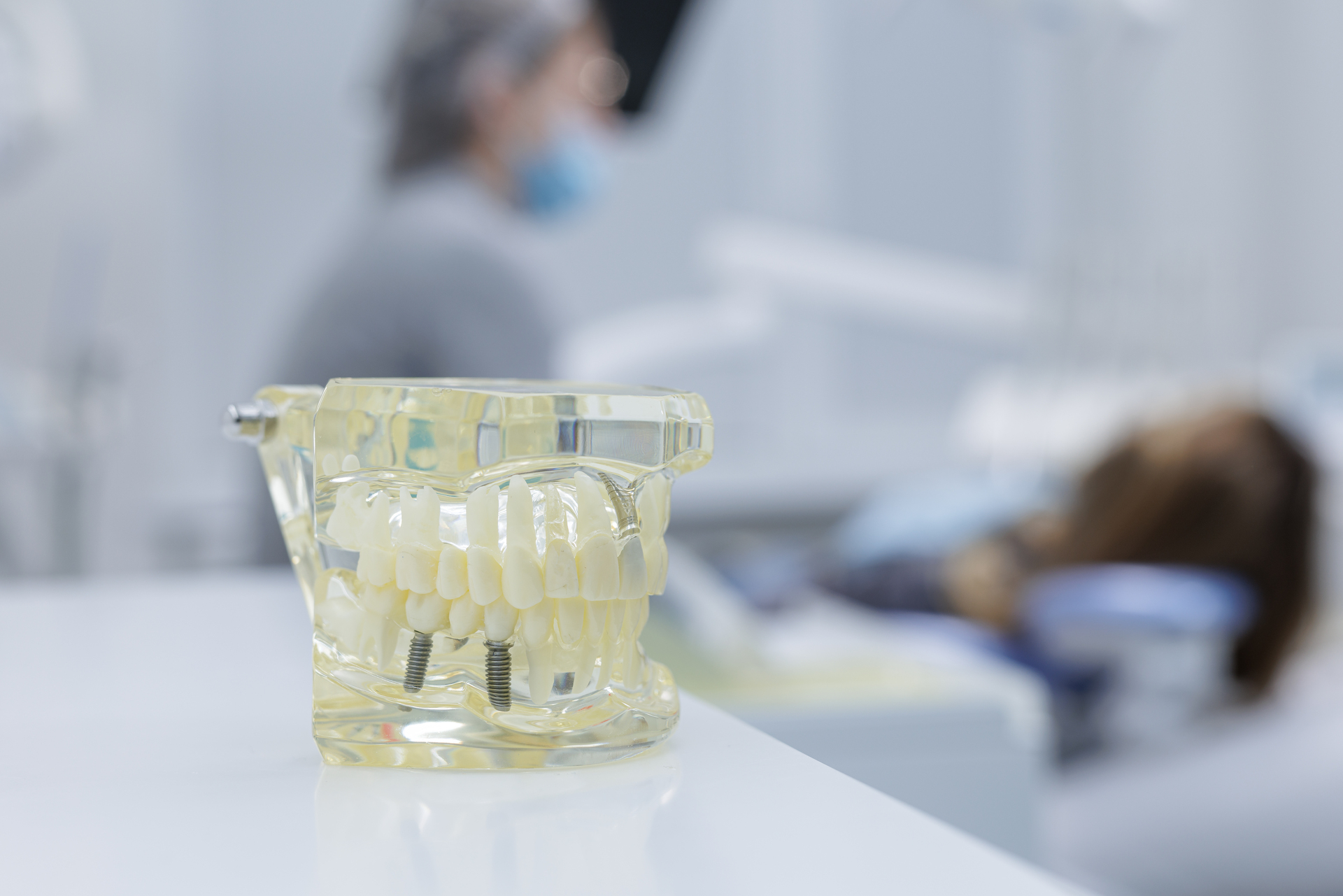
Osseointegration is the remarkable biological process where bone cells grow around and fuse directly with the titanium implant surface. This creates a strong, stable foundation that can withstand the forces of chewing and biting for decades to come. The process transforms a surgically placed implant into a functional tooth root replacement.
Most patients experience complete osseointegration within 3-6 months, though individual healing varies based on several factors. The timeline isn't arbitrary - it reflects the time needed for new bone tissue to form dense connections with the implant's specially treated surface. Titanium's biocompatibility makes it the ideal material for this fusion process, as human bone readily accepts and integrates with it.
During this healing period, the implant becomes progressively more stable as bone density increases around it.
The first week following implant surgery focuses on soft tissue healing rather than bone integration. During this period, your gums recover from the surgical procedure while the implant remains stable in its prepared socket. Patients typically experience mild swelling and discomfort that gradually subsides with proper care and prescribed medications.
Blood clot formation around the implant site is critical during these initial days. This clot serves as the foundation for new tissue growth and protects the surgical site from bacterial invasion. Avoiding activities that might dislodge this protective clot - such as vigorous rinsing, smoking, or using straws - helps ensure optimal healing conditions.
The actual osseointegration process begins during the first month and accelerates through month three. Specialized bone cells called osteoblasts start depositing new bone tissue directly onto the implant surface. This initial bone formation creates a weak but growing connection between the implant and surrounding jawbone.
During this phase, the implant gains approximately 60-70% of its eventual stability. Patients must avoid placing any significant pressure on the implant area, which means following dietary restrictions and avoiding habits like teeth grinding. The bone formation process requires adequate blood supply and nutrition to proceed optimally.
The final months of osseointegration involve bone maturation and density optimization around the implant. The initial bone formation becomes more organized and dense, creating the strong mechanical connection needed to support a restoration. This phase completes the transformation from surgical implant to functional tooth root.
By month six, most implants achieve their maximum integration strength. The bone-to-implant contact reaches optimal levels, typically exceeding 70% coverage of the implant surface. This level of integration provides the stability needed to withstand normal chewing forces for decades.
Jawbone quality varies significantly between individuals and directly affects osseointegration speed. Dense, healthy bone provides optimal conditions for rapid integration, while softer or compromised bone may require additional healing time. Bone quality and density vary significantly by location throughout the jaw, impacting healing time and suitability for certain procedures.
Patients who have experienced bone loss due to prolonged tooth absence may need bone grafting procedures before implant placement. These cases require extended healing periods, sometimes adding 3-6 months to the overall timeline. However, the investment in bone regeneration ensures long-term implant success and stability.
General health status significantly influences healing capacity and osseointegration speed. Patients with well-controlled diabetes, adequate nutrition, and good circulation typically experience faster, more predictable healing. Conversely, conditions that impair healing - such as uncontrolled diabetes, autoimmune disorders, or certain medications - may extend the integration timeline.
Age affects healing but doesn't preclude successful implant treatment. Older patients may experience slightly slower bone formation, but healthy individuals in their 70s and 80s regularly achieve excellent osseointegration. The key is overall health rather than chronological age, with proper patient selection ensuring successful outcomes across all age groups.
Traditional implant protocols require waiting for complete osseointegration before placing the final restoration. This typically occurs 3-6 months after implant surgery, depending on individual healing progress and bone quality. The waiting period ensures the implant can safely support the forces generated during normal chewing and biting.
Your implant specialist will assess integration progress through clinical examination and sometimes radiographic imaging. Signs of successful integration include implant stability when tested and absence of pain, swelling, or other complications. Once integration is confirmed, the final crown placement process can begin with impression taking and crown fabrication.
Select patients with excellent bone quality and adequate bone volume may qualify for immediate loading protocols. This advanced technique allows placement of a temporary or even permanent crown on the same day as implant surgery. However, strict criteria must be met to ensure successful outcomes with this accelerated approach.
Immediate loading works best in the front teeth area where chewing forces are lighter and bone is typically denser. Patients must demonstrate excellent oral hygiene and realistic expectations about initial dietary restrictions. While smoking is generally advised against for optimal healing, the specific requirements may vary by case. Even with immediate loading, the osseointegration process still requires 3-6 months to complete fully.
Proper oral hygiene prevents bacterial infection that could compromise osseointegration. During the first week, gentle rinsing with prescribed antimicrobial solutions helps keep the surgical site clean without disturbing healing tissues. After initial healing, careful brushing and flossing around the implant site becomes vital for long-term success.
Specialized cleaning tools like soft-bristled toothbrushes, water flossers, and interdental brushes help maintain cleanliness around healing implants. Avoiding aggressive cleaning that might irritate healing tissues while still removing harmful bacteria requires a balanced approach that your dental team will demonstrate.
Diet modifications during osseointegration protect the healing implant from excessive forces that could disrupt bone formation. Soft foods during the first few weeks allow comfortable eating while minimizing stress on the implant site. Gradually transitioning to normal foods follows the healing timeline and integration progress.
Avoiding hard, sticky, or chewy foods prevents accidental trauma to the healing area. Foods requiring aggressive biting or chewing should be avoided until the implant achieves full integration. Proper nutrition with adequate protein, vitamins, and minerals supports optimal bone formation and healing.
Scheduled follow-up appointments allow your implant specialist to monitor healing progress and identify potential complications early. While the exact timing may vary based on individual cases and specialist protocols, these visits commonly occur at intervals such as 1-2 weeks, 1 month, 3 months, and 6 months after surgery. Professional assessment ensures the osseointegration process proceeds normally and addresses any concerns promptly.
During check-ups, your provider evaluates implant stability, tissue healing, and overall oral health. Professional cleanings may be recommended to maintain optimal conditions around the healing implant. These appointments also provide opportunities to ask questions and receive guidance about progression to the next treatment phase.
Successful osseointegration presents with specific clinical signs that both patients and providers can recognize. The implant should feel completely stable with no movement when gentle pressure is applied. Surrounding gum tissue appears healthy and pink without persistent swelling, redness, or discharge.
Pain levels should steadily decrease after the first week, with only minimal discomfort by the end of the first month. The absence of pain when chewing soft foods on the opposite side of your mouth is another positive indicator. Successful integration also means no persistent bad taste or odor from the implant area.
Normal healing includes the absence of persistent numbness or nerve complications as swelling subsides. The surgical area should feel increasingly natural as weeks progress, though complete normalization may take several months. Regular check-ups confirm these positive signs and ensure integration proceeds as expected.
The osseointegration process represents a remarkable achievement in modern dental science, transforming titanium implants into permanent tooth replacements. Understanding this timeline helps patients approach their implant treatment with realistic expectations and confidence in the process. Success depends on patient compliance, proper surgical technique, and thorough post-operative care.
Each patient's healing journey is unique, influenced by individual factors ranging from bone quality to overall health status. Working with experienced implant specialists ensures optimal treatment planning, surgical execution, and healing support throughout the osseointegration period. The investment in time and proper care yields decades of comfortable, natural-feeling tooth replacement.


