Millions skip dental care due to anxiety, but modern treatment approaches combine technology, sedation options, and communication strategies to make visits manageable. Dentists share proven methods to help nervous patients receive the care they need.
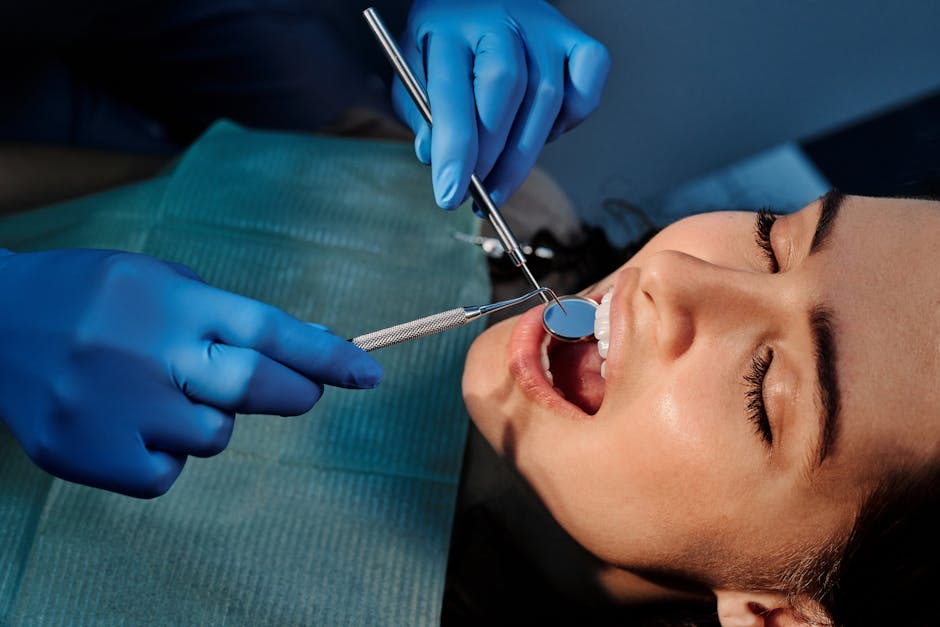
If the thought of a dental appointment makes your palms sweat, you’re not alone—about one in three adults experiences dental anxiety. For some, it’s mild discomfort, for others, it’s full panic at the idea of sitting in the chair.
The problem isn’t just emotional; when anxiety keeps you away from checkups, small issues turn into big ones. A cavity that could be filled in minutes becomes a root canal, gum disease that could be managed early progresses to tooth loss, and the irony is that fear of dental work creates situations that require even more work.
Maybe you had a bad childhood experience, maybe you hate losing control, or maybe you feel embarrassed about your teeth. Whatever the cause, the anxiety is standing between you and the care you need.
You recline in a chair while someone works inside your mouth, you can’t talk, you can’t see, and your body interprets this as vulnerability, triggering stress even when nothing painful happens.
Many people anticipate discomfort based on outdated memories of dental care before modern pain management.
If you’ve avoided care for years, you may worry about judgment, creating a cycle where shame prevents you from seeking help, which only increases the shame.
Bright lights, strange tastes, the drill’s sound, and jaw vibrations can overwhelm the nervous system, especially if you’re already anxious.
Digital impressions replace gag-inducing molds, same-day crowns remove the need for multiple visits, and laser tools reduce noise and vibration. These aren’t gimmicks—they shorten appointments, minimize discomfort, and make the process more manageable.
The right choice depends on your needs and the treatment complexity.
Teams trained in anxiety management explain each step, show you the tools, and agree on hand signals so you can pause treatment. This turns you from a passive patient into an active participant, restoring a sense of control.
For extreme anxiety, some practices build confidence step by step—meeting the team first, then a simple cleaning, then more complex work once positive experiences build up.
The right practice will explain your options clearly, let you proceed at your own pace, and never make you feel foolish for being nervous.
Avoiding care doesn’t make problems disappear—decay spreads, gum disease worsens, infections grow, and what begins as fear of a cleaning can lead to emergency surgery. Regular visits catch issues early, reduce pain, save money, and preserve your natural teeth.
Many people find that after the first supported visit, later appointments feel easier because the brain learns the feared outcome never came true, so anxiety decreases naturally.
Start by acknowledging dental anxiety as a real health issue rather than dismissing it. Research local practices that specialize in anxious patients, call them, explain your situation, and ask how they help. You might even begin with a consultation where nothing clinical happens—you meet the team, see the office, and leave, giving you a foundation for a smoother next visit.
Oral health connects deeply with overall health; gum disease links to heart problems, tooth infections can spread, and chronic pain reduces quality of life. Managing your anxiety to get proper care is an investment in long-term wellbeing.
Many dental practices already offer specialized services for anxious patients. The technology is there, the techniques work, the experienced teams are ready—the only missing piece is your decision to take that first step.
Dental teams that work with anxious patients see this situation constantly. They won't judge you for the gap in care. Your first appointment will likely focus on assessment rather than extensive treatment. The dentist will examine your teeth, discuss what needs attention, and create a treatment plan you can approach in stages. Many people find that their fears about judgment are much worse than the reality.
Coverage varies by insurance plan and the type of sedation used. Nitrous oxide is often covered for certain procedures. Oral and IV sedation may require out-of-pocket payment, though some plans cover it for medically necessary situations. Call your insurance provider to ask about your specific coverage, or ask the dental office to help you verify benefits before your appointment.
If you experience physical symptoms like rapid heartbeat, sweating, or nausea when thinking about dental appointments, or if anxiety has caused you to cancel or avoid appointments in the past, you're a good candidate for sedation options. Talk to your dentist about your symptoms. They can recommend the appropriate level of sedation based on both your anxiety severity and the complexity of the planned treatment.
Look for dental practices that explicitly mention anxiety management, sedation dentistry, or care for nervous patients on their websites. Read patient reviews that discuss experiences with dental anxiety. You can also call offices directly to ask about their approach to anxious patients. Dental practices with extensive often have specialized protocols and technology specifically designed to make visits more comfortable.


