Achieve that evil-sounding death metal tone with the right gear: high-output humbuckers, solid-body guitars, and strategic EQ “scooping” that emphasizes bass and treble while reducing mids. Both tube and solid-state amps deliver crushing sounds when paired with proper distortion pedals.
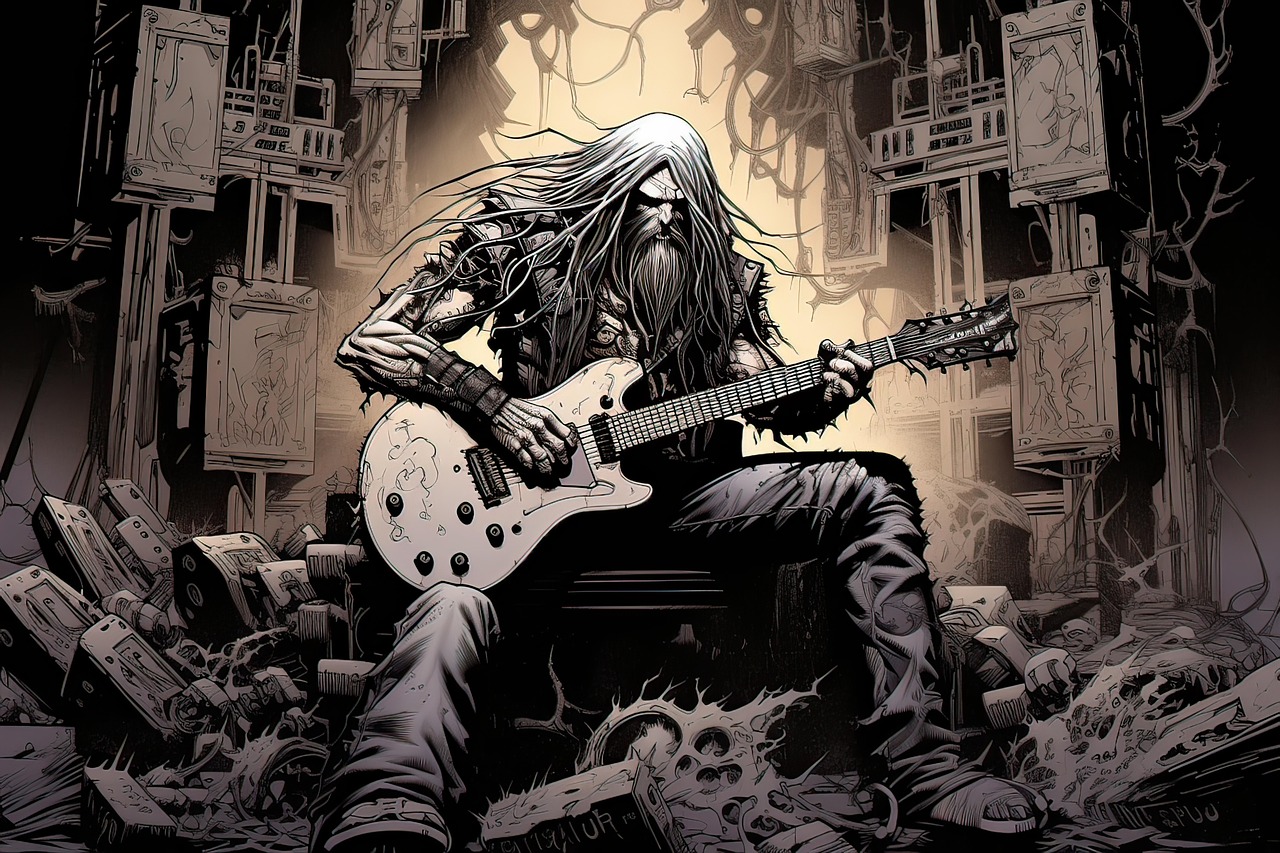
Few guitar tones are as instantly recognizable as classic death metal. That raw, filthy, evil-sounding distortion has been carefully crafted through specific gear choices and settings.
At its core, death metal guitar is characterized by high gain and a particular EQ curve that emphasizes both the lows and highs while strategically cutting (but not eliminating) the mids - creating that signature 'scooped' sound that cuts through the mix like a serrated blade, explains Sam Ash, a musical instrument retailer that has been helping metal guitarists find the perfect gear combinations to achieve these face-melting tones for decades.
The good news? You don't need rare vintage gear or a professional studio to achieve this sound. With the right knowledge about guitars, amplification, and effects, you can build a rig that delivers authentic death metal brutality - whether you're practicing at home, recording, or destroying stages.
When it comes to death metal, humbuckers are non-negotiable. Single-coil pickups simply can't handle the extreme gain without introducing unbearable noise and buzz. Plus, their inherently brighter, twangier character works against the dark, massive sound death metal requires.
Humbuckers deliver the thick, powerful output needed to drive high-gain amps and distortion pedals properly. They also provide better sustain and a fuller midrange foundation, which is crucial even though we'll be sculpting that midrange later in the signal chain.
While active pickups are popular in modern metal, they might not be ideal for capturing that classic death metal sound. High-output passive humbuckers often deliver a more organic, dynamic tone that responds better to playing dynamics and amplifier interaction.
Active pickups can sometimes sound too compressed, clean, and modern for authentic old-school death metal. They excel at ultra-tight, consistent output, but if you're going for that raw, vintage death metal sound, consider guitars with high-output passive pickups that allow for more tonal variation and harmonic complexity when pushed hard.
Hollow and semi-hollow body guitars are beautiful instruments with their own sonic characteristics, but they're completely unsuitable for death metal. The high gain and volume levels required will cause unbearable feedback issues as sound resonates within the body cavity, making them practically unplayable in high-gain contexts.
Solid-body guitars are the only viable option for death metal. They provide the stability, sustain, and feedback resistance necessary when pushing extreme distortion. The dense wood construction also contributes to a more focused, aggressive attack that helps articulate fast riffs and palm-muted passages - essential techniques in death metal playing.
And, while 7-string and baritone guitars weren't common in early death metal, they can certainly work well for modern interpretations or if you want to experiment with lower tunings while maintaining proper string tension.
Ignore the outside noise: both solid-state and tube amplifiers can deliver exceptional death metal tones. Many influential death metal recordings were made using solid-state amps, which typically offer a tighter, more aggressive attack with less compression than tube amps.
Tube amplifiers provide a warmer, more organic distortion character with natural compression that can add dimension to your tone. They're often more responsive to playing dynamics, which can be both an advantage and a challenge when playing high-speed death metal riffs.
The key is understanding how to get the most out of each type and choosing based on your specific needs, preferences, and budget.
For practice, small venues, or recording, these solid-state amps deliver impressive death metal tones, experts say:
For larger venues and serious recording, consider these more powerful options:
If you prefer the tube route, these amps have proven their metal credentials:
Distortion pedals are vital for many death metal guitarists. They shape your tone in ways that amp distortion alone often can't achieve. These pedals are especially useful with solid-state amps or clean channels:
Classic overdrive pedals designed for blues and rock can be excellent tools for death metal guitar when paired with tube amps. These pedals don't provide the distortion themselves, but push your tube amp's preamp section harder:
When using overdrives with tube amps, set the gain low (9-12 o'clock) and the level high. This pushes your amp's tubes harder without adding the overdrive's own distortion character too heavily.
One of the biggest misconceptions about death metal guitar is that you need maximum gain. In reality, excessive gain reduces note definition, creates uncontrollable feedback, and makes your playing sound muddy, especially during fast passages.
The sweet spot is usually around 60-70% of your amp or pedal's gain range. This provides enough saturation for sustained power chords and pinch harmonics while maintaining the attack and definition needed for precise riffing.
Listen carefully when setting gain. If palm-muted notes sound loose and flubby rather than tight and defined, you've likely got too much gain. If individual notes in fast runs blur together, dial it back until you can hear each note clearly.
The classic death metal "scooped" tone emphasizes bass and treble frequencies while reducing mids. This creates that distinctive hollow, aggressive sound that cuts through a mix while maintaining heaviness.
However, completely removing mids is a rookie mistake. Without any midrange, your guitar will disappear in a band mix. The trick is to reduce mids strategically while keeping enough to maintain presence.
For a starting point on most amps and pedals:
This provides the foundation of a scooped sound while keeping enough midrange to cut through. From there, fine-tune to match your specific gear and playing style.
Parametric EQ pedals or rack units offer much more precise control over your tone. With these tools, you can:
Boss' MT-2W Metal Zone actually features a semi-parametric midrange control that lets you select which mid frequencies to cut or boost - one reason it's better than its reputation suggests when used correctly.
Crafting the perfect death metal guitar tone requires experimentation and refinement. The guidelines here provide a solid starting point, but don't be afraid to break the rules and develop your own signature sound. The most important aspect is finding a tone that inspires your playing and fits the music you want to create.
Small adjustments can make significant differences in your overall sound. Take time to listen, make incremental changes, and always consider how your guitar sits in the context of a full band mix.
And when you're ready, Sam Ash provides all the guitars, amps, and pedals you need to unleash the ultimate death metal tone.


