Building a Rogue/Swashbuckler in Dungeons & Dragons 3.5 can be as thrilling as it is tricky. The right balance of finesse, speed, and tactical damage determines whether you’re a dueling legend or just another glass cannon.
Every player who's dreamed of a quick-footed duelist knows the frustration: elegant concept, disappointing results. The Dungeons & Dragons 3.5 Swashbuckler class promises flair and agility but can fall flat without careful build planning.
That's where the Rogue/Swashbuckler multiclass shines. By combining the Rogue's skill versatility with the Swashbuckler's precision damage, you can create a character who strikes fast, hits hard, and stays light on their feet—if you build them right.
According to the team at Stellar Dragon Games, the key is leveraging the Daring Outlaw feat from Complete Scoundrel. This feat merges the two classes' progressions, letting your Swashbuckler levels boost Sneak Attack while your Rogue levels strengthen Insightful Strike. The result? A character who blends intellect, dexterity, and damage like few others can.
The core Daring Outlaw build stacks damage bonuses from both class features—Sneak Attack and Insightful Strike—while maintaining full base attack bonus (BAB) progression.
Rogue 4/Swashbuckler 16 is a strong balance. Begin with Rogue to qualify for Daring Outlaw early, then transition to Swashbuckler for better hit points and BAB.
Combat strategies for this build revolve around mobility, precision, and control. The goal: apply Sneak Attack damage as often as possible by targeting enemies denied their Dexterity bonus to AC.
Even finesse fighters need survival tools.
As your character develops, Skill Tricks from Complete Scoundrel like Acrobatic Backstab add creative tactical openings, while Use Magic Device allows clever use of wands—Greater Invisibility being the standout choice for guaranteed Sneak Attacks. Items that increase movement speed or provide consistent concealment further enhance survivability and control.
"Players often underestimate how much a single feat like Daring Outlaw changes the entire Swashbuckler dynamic," says a representative from Stellar Dragon Games. "It turns a middling finesse fighter into a strategic powerhouse that rewards intelligence and timing."
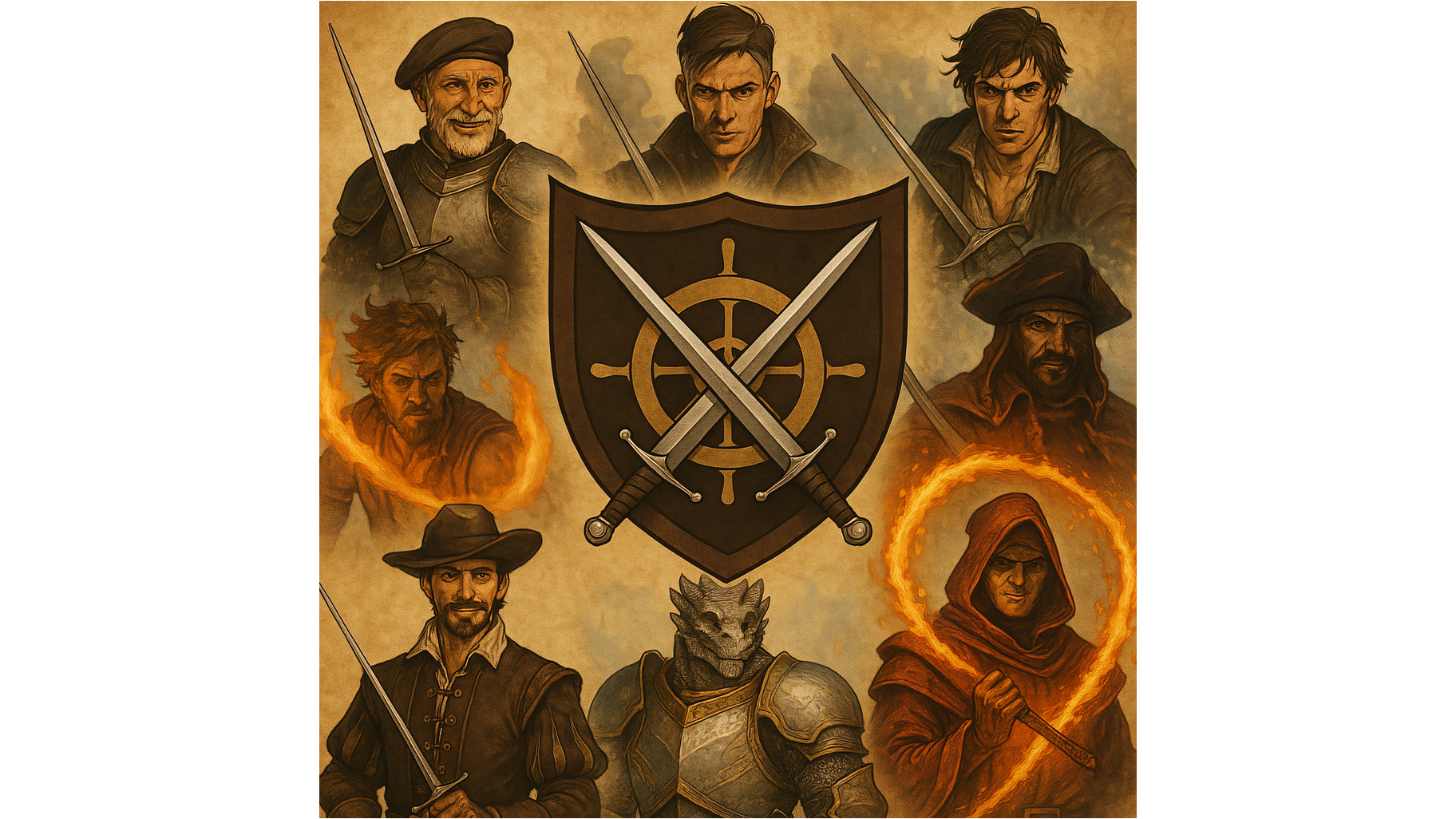
The same principles apply across other Swashbuckler-focused builds. For example, the "D&D 3.5 Swashbuckler: 5 Tactical Builds" guide explores five tactical variations—from the Rapier Adept and Musketeer Tank to the Pirate Lord, Platinum Knight Dragonborn, and Soul Afire—each solving a different combat challenge.
While the Rogue/Swashbuckler remains the definitive Daring Duelist combo, exploring these archetypes can help you refine your own combat philosophy: whether you prefer psychological warfare, ranged precision, or psionic versatility.
A well-built Rogue/Swashbuckler doesn't rely on luck or brute force—it thrives on planning, timing, and positioning. Once you internalize how Sneak Attack triggers interact with movement and initiative, your duelist becomes a tactician, not just a showman.
For a deeper breakdown of Swashbuckler tactics, feat synergies, and prestige class combinations, you can explore online resources such as "D&D 3.5 Swashbuckler: 5 Tactical Builds."


