Few class abilities in Dungeons & Dragons 3.5 define versatility like the druid’s Wild Shape. Here’s how this signature power really works and how mastering it can completely reshape your character’s playstyle, according to tabletop experts.
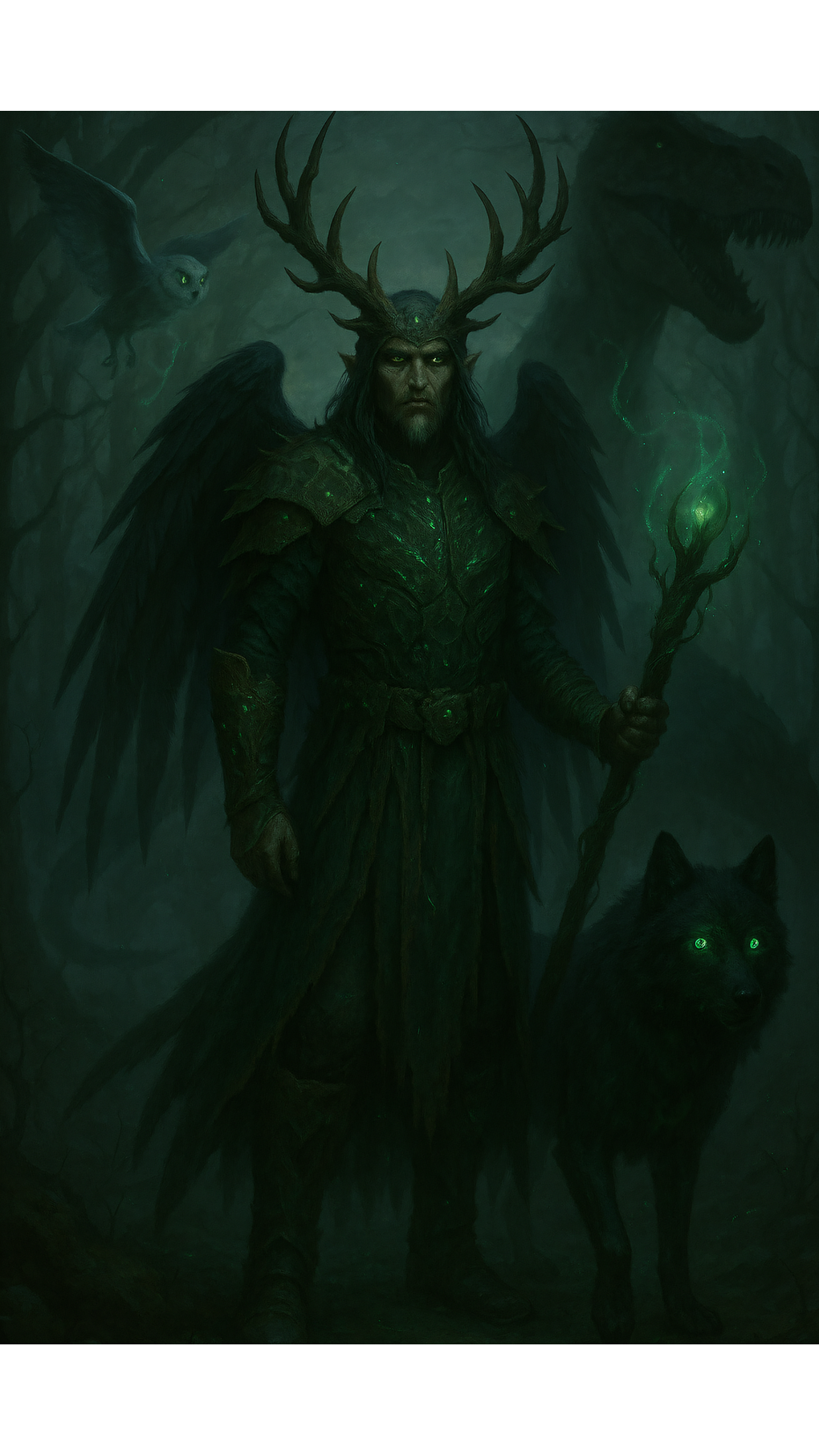
You finally reach level 5. The dungeon map sprawls across the table. Your druid pauses, the air thick with possibility: morph into a tiger and pounce through the front line, slip into a bat for reconnaissance, or summon nature's fury from afar.
Wild Shape unlocks that fantasy—but it also unlocks questions. What actually changes when you shift? Which forms are worth taking? And how do you avoid the classic "bear that forgot its spells" problem?
In D&D 3.5, Wild Shape allows a druid to transform into different natural creatures, adopting the body—and certain stats—of the chosen form.
When it unlocks:
At 5th level, druids can Wild Shape into a Small or Medium-sized animal a limited number of times per day.
With experience, the ability scales:
What changes:
Wild-shaped druids can't speak, so most spells with verbal components are off-limits—unless you take the Natural Spell feat, a fan-favorite that lets you cast using growls and gestures.
Wild Shape's power lies in adaptability. According to tabletop analysts at Stellar Dragon Games, the most efficient forms depend on your campaign role:
Each form trades raw numbers for environment-specific perks—knowing when to switch is the essence of druid mastery.
As your druid levels up, the number of daily Wild Shape uses grows. Size flexibility increases, elemental forms become available, and your control over battlefield roles expands. This scaling makes the class one of D&D 3.5's most versatile and intimidating for both players and Dungeon Masters.
To simplify that learning curve, online resources like the "D&D 3.5 Druid: 5 Merely Natural Builds" guide break down how different builds handle Wild Shape progression, feat selection, and late-game transformations. Some even compare archetypes such as the Druidic Hierophant, Moon-Caller, and Druidic Hero, showing how each build balances spellcasting, summoning, and physical combat.
Whether you prefer overwhelming the field with summoned allies or dominating combat in beast form, Wild Shape rewards preparation and self-knowledge. Matching your druid's form to your party's needs can mean the difference between chaos and control.
If you're ready to fine-tune your approach, or finally understand why your Dire Bear keeps missing its attacks, exploring expert-compiled resources like the "D&D 3.5 Druid: 5 Merely Natural Builds" guide can help you channel nature's power with precision.
Your campaign's story is already wild. Now it's time for your Druid to be, too.


