Most attorneys spread content across platforms their clients never use, bleeding marketing budgets with zero returns. Custom content strategies drive 31% of new client acquisitions for firms using platform-specific tactics that match where potential clients actually research legal services.
Most attorneys waste marketing budgets on platforms their ideal clients never visit while missing channels where people actively search for legal help. Nearly 40% of consumers find lawyers through online searches, yet many firms ignore digital content strategies proven to attract qualified clients consistently.
Understanding which platforms your potential clients actually use helps you focus efforts where they matter most instead of spreading thin across every channel. The specific platforms and tactics below show where attorneys get real results without wasting time or money on ineffective marketing.
Yellow page ads and courthouse networking generated steady clients years ago, but people now research attorneys online before making contact. Potential clients investigate lawyers thoroughly through websites and reviews before scheduling consultations or picking up the phone to call. Referral-only strategies limit growth because word-of-mouth doesn't scale reliably or reach people outside your existing personal and professional networks.
Generic advertising falls flat because legal services involve personal issues where trust matters more than flashy claims or aggressive sales tactics. People facing divorce, criminal charges, or business disputes need confidence that their attorney understands their situation before committing to representation. Content marketing builds trust by demonstrating expertise through helpful information rather than just promoting services with empty promises repeatedly.
Content marketing positions you as a trusted authority by providing useful information that solves problems instead of pushing services aggressively. Your website becomes a resource where potential clients find answers to legal questions while learning about your experience and approach. This works across all practice areas because everyone researching legal issues values clear explanations from knowledgeable professionals they might hire.
Here are the digital platforms to establish a solid presence on to market your legal services.
LinkedIn dominates for attorneys targeting business clients, with 69% of law firms keeping active profiles on the professional network. The platform connects lawyers directly with decision-makers at companies needing corporate legal services, contract reviews, and business litigation support. Over 90% of executives and business owners use LinkedIn regularly, making it prime territory for B2B legal marketing efforts.
Attorneys should share insights about recent legal changes, post questions about industry developments, and provide practical tips demonstrating clear expertise. Long articles work better than short updates because they showcase deep knowledge while improving your visibility in LinkedIn's algorithm significantly. The platform rewards consistent posting, so lawyers sharing valuable content once or twice weekly build influence faster than sporadic contributors.
Facebook stays essential despite many legal professionals assuming business owners don't use the platform for professional research or service searches. The social network hosts over 3 billion active users, making it impossible to ignore when building comprehensive marketing strategies. Law firms share organic content, including legal tips, case updates, client testimonials, educational videos, and community involvement that builds trust.
Facebook's advertising lets attorneys target specific demographics, locations, and interests with precision that other platforms can't match for local services. The pixel tracking connects website visitors to ads, creating remarketing opportunities that keep your firm visible to interested people. Groups provide spaces for lawyers to answer questions and establish authority without appearing pushy or promotional to potential clients.
Instagram works best for attorneys comfortable creating visual content that showcases personality rather than posting text-heavy legal explanations repeatedly. The platform attracts younger demographics who prefer images and short videos over long articles, making it valuable for family and personal injury law. Behind-the-scenes content showing your team, office culture, and daily activities makes law firms feel approachable instead of intimidating.
YouTube functions as the internet's second-largest search engine, processing billions of searches monthly from people seeking legal information and procedures. Video content explaining complicated legal concepts in simple terms positions attorneys as approachable experts who care about educating clients. Long videos work exceptionally well because they provide thorough explanations while keeping viewers engaged through personality and clear communication.
Attorneys repurpose longer YouTube content into shorter clips for other platforms, maximizing the value of each video production effort. Search optimization on YouTube involves using relevant keywords in titles, descriptions, and tags so potential clients find content when researching. The platform rewards consistent uploads and viewer engagement, so lawyers posting regularly see their channels grow faster than occasional contributors.
TikTok surprises many legal professionals by delivering strong results despite its reputation as an entertainment platform for younger audiences. The short-form video app attracts over 1.5 billion active users who spend an average of 90 minutes daily consuming content. Attorneys creating educational content about legal rights, explaining statutes, and discussing trending legal issues reach massive audiences quickly when videos resonate.
Email remains one of the most effective channels for nurturing relationships with potential clients who aren't ready to hire immediately. Building an email list through website opt-ins, downloadable resources, and newsletter signups creates direct communication channels you control without platform algorithms. Law firms segment lists based on practice areas, sending targeted content about specific legal issues to people who expressed interest.
Automated email sequences educate potential clients gradually while keeping your firm top-of-mind when they're finally ready for legal representation. Welcome series introduce new subscribers to your expertise, case studies demonstrate results, and regular newsletters provide ongoing value that builds trust. Email marketing costs significantly less than advertising while delivering higher conversion rates because recipients have already shown interest by subscribing.
Every content marketing strategy needs a central website where all platform activities drive traffic for deeper engagement and conversion. Blog posts addressing common legal questions improve search engine rankings while demonstrating knowledge on topics that potential clients care about. Comprehensive guides and articles show you understand client pain points better than competitors who post surface-level content or promotional material.
Website content should focus on answering specific questions people ask when researching legal issues, using clear language without jargon. Case studies and client testimonials provide social proof that your firm delivers results, though you must follow ethical guidelines about confidentiality. Strong calls-to-action throughout your site guide visitors toward scheduling consultations once they feel confident about your expertise and approach.
Consistency matters more than perfection when building visibility through content marketing, as regular posting trains algorithms to favor your content. Most law firms fail because they post enthusiastically for weeks, then abandon efforts when immediate results don't materialize overnight.
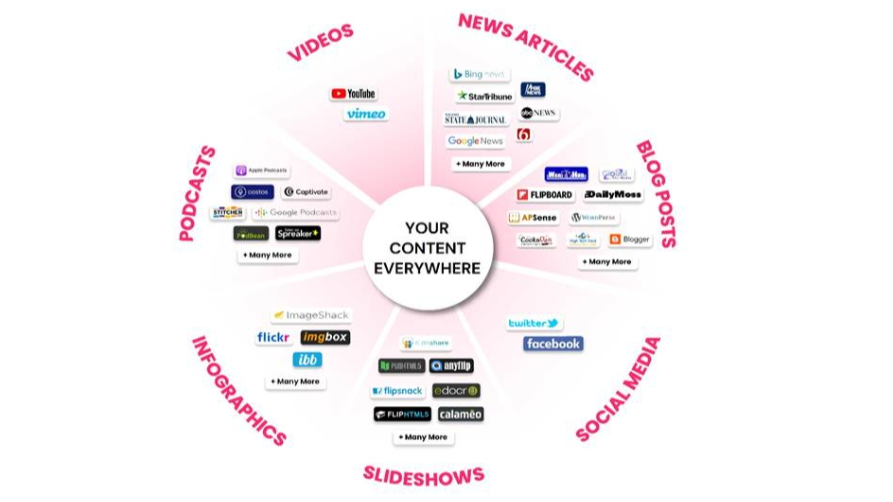
Successful firms commit to sustainable publishing schedules they can maintain long-term, and incorporating an omnichannel content distribution strategy helps maintain consistent output without sacrificing billable hours or overwhelming staff.


