With the shipping container modification market projected to hit $27.59 billion by 2030, businesses are discovering these aren’t just storage boxes—they’re becoming fully functional offices, retail spaces, and specialized facilities. But here’s what most people get wrong about the real costs and requirements.
Business owners seeking cost-effective, adaptable space solutions are discovering that shipping container modifications offer far more than basic storage capabilities. These versatile structures are revolutionizing how companies approach workspace design, retail expansion, and specialized facility development.
The shipping container modification industry has experienced substantial growth, with market valuations projected to reach $27.59 billion by 2030. This remarkable expansion reflects a fundamental shift in how businesses approach space utilization and construction timelines.
Container modifications offer unparalleled advantages over traditional construction methods. Projects that typically require months of development can be completed in weeks, allowing businesses to accelerate their return on investment significantly. A well-maintained shipping container maintains structural integrity for several decades while preserving the flexibility to relocate as business needs evolve.
The durability factor cannot be overstated - these structures were originally engineered to withstand oceanic voyages and extreme weather conditions. Companies like Conexwest provide high-quality containers that serve as the foundation for countless business applications, from temporary offices to permanent commercial installations.
Modified shipping containers excel as commercial workspace solutions, particularly for businesses requiring flexible, mobile office environments. These conversions typically include windows, doors, climate control systems, and electrical infrastructure. Sales offices, administrative centers, and mobile computer labs represent just a fraction of the possibilities.
Construction companies frequently deploy container offices on job sites, providing secure, comfortable spaces for project management and client meetings. The mobility factor proves invaluable for businesses operating across multiple locations, as entire office setups can be relocated efficiently without the complexity of traditional building moves.
The retail sector has adopted container modifications for pop-up shops, permanent storefronts, and seasonal operations. These structures offer retailers the flexibility to test new markets without long-term real estate commitments. Food service applications include fully equipped restaurant kitchens, mobile coffee shops, and specialized catering facilities.
Container restaurants and cafes have gained particular popularity due to their unique aesthetic appeal and operational efficiency. The controlled environment allows for precise kitchen layouts while maintaining the mobility to participate in festivals, farmers markets, and special events.
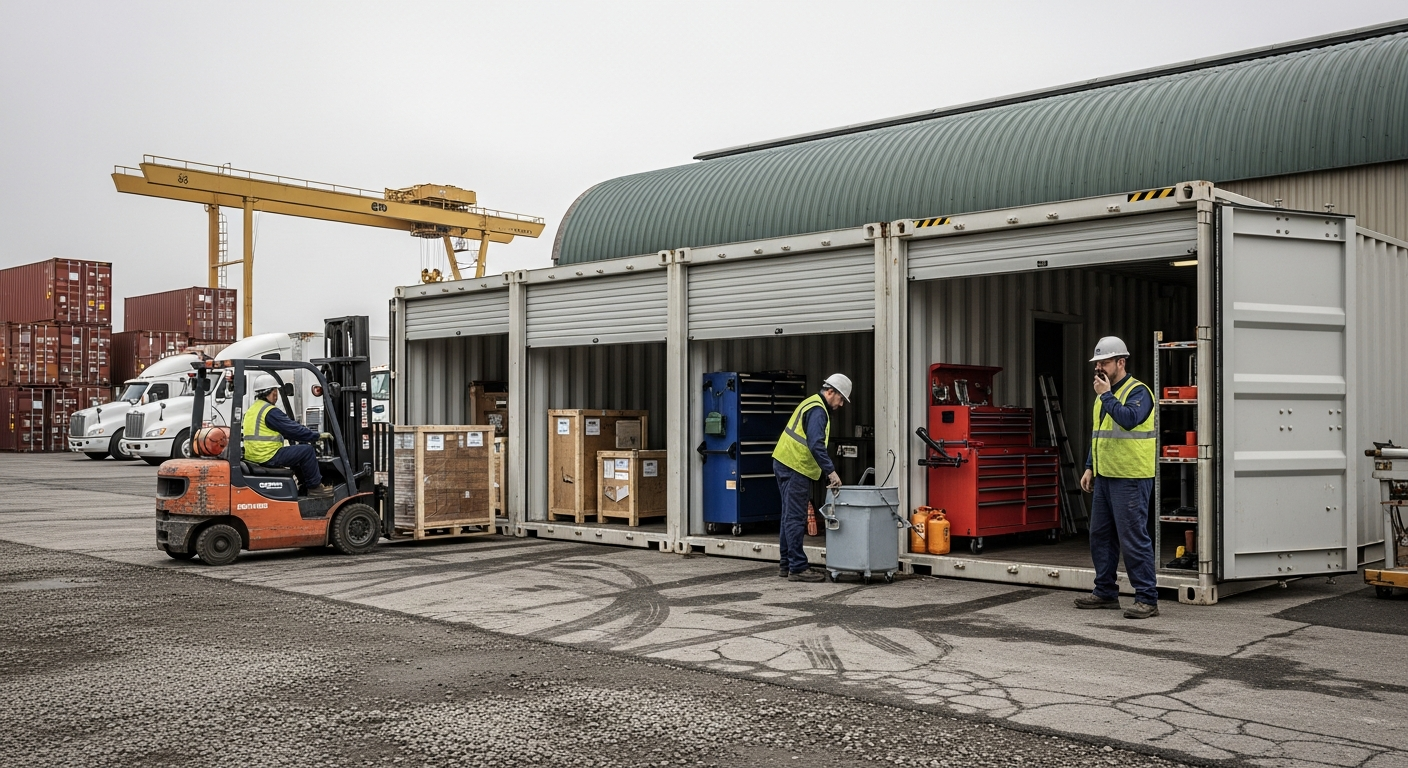
Industrial applications extend far beyond basic storage, encompassing workshops, portable clinics, and specialized equipment housing. Manufacturing facilities use modified containers as secure tool storage, equipment maintenance shops, and temporary production spaces during facility expansions.
Healthcare applications include portable medical clinics, emergency response units, and specialized treatment facilities for underserved areas. The controlled environment and rapid deployment capabilities make containers ideal for disaster relief and remote healthcare delivery.
Entry-level container modifications for basic office or workshop use typically range from $15,000 to $25,000 for a 20-foot container. This investment includes door and window installation, basic insulation, electrical wiring, and lighting systems. These conversions provide functional workspace solutions at a fraction of traditional construction costs.
Workshop conversions in the $20,000 to $40,000 range can accommodate more sophisticated requirements, including heavy-duty electrical systems, specialized ventilation, and custom storage solutions. The rapid construction timeline means businesses can begin operations within weeks rather than months.
Advanced commercial conversions represent the premium end of container modifications, with costs reaching $180,000 for sophisticated 600-square-foot buildouts. These projects often involve multiple containers, extensive interior design, full kitchen facilities, and advanced HVAC systems.
Residential conversions typically range from $50,000 to $100,000, depending on the level of finish and amenity inclusion. These costs remain significantly below traditional construction while offering comparable functionality and aesthetic appeal.
Effective climate control represents one of the most critical modifications for container functionality. Corten steel construction creates significant condensation and heat challenges without proper insulation. High R-value spray foam and fiberglass panels provide the most effective temperature regulation for most applications.
Additional climate control strategies include reflective exterior painting, strategic ventilation installation, and solar panel integration for powering cooling systems. Proper insulation selection depends heavily on local climate conditions and intended use patterns.
Complete utility integration transforms containers into fully functional spaces. Electrical systems require professional installation to meet local codes, with costs ranging from $3,000 to $7,000 depending on complexity. Plumbing integration enables bathroom facilities, kitchen functionality, and specialized equipment connections, typically costing between $4,000 and $10,000.
HVAC system installation adds $3,000 to $10,000 to project costs but proves necessary for year-round comfort and operational efficiency. Modern systems can be integrated with solar power solutions for improved sustainability and reduced operating costs.
Structural modifications require careful planning to maintain container integrity while achieving desired functionality. Window and door installations, wall removals, and roof modifications must be executed by experienced professionals to prevent structural compromise.
Safety improvements include fire-resistant materials, emergency egress systems, and security upgrades such as reinforced entry points and alarm systems. These modifications ensure compliance with commercial building codes and provide peace of mind for business operations.
Container modifications contribute significantly to sustainable construction practices by repurposing existing materials rather than manufacturing new building components. This reuse approach reduces environmental impact while minimizing the extensive site development typically required for traditional construction projects.
The longevity of properly maintained containers extends their environmental benefits across decades of use. Green building initiatives increasingly recognize container architecture as a viable sustainable construction method that reduces waste and energy consumption.
Container modifications serve important social responsibility functions by providing affordable housing solutions, emergency shelter, and healthcare facilities for underserved populations. The cost-effectiveness and rapid deployment capabilities make containers ideal for humanitarian applications and community development projects.
Educational applications include portable classrooms, vocational training centers, and mobile libraries that can serve remote or disaster-affected communities. These applications demonstrate the broader social impact potential of container modification technology.
Container modification projects must comply with local zoning laws and building codes. Most cities incorporate the International Building Code (IBC) and International Residential Code (IRC) into their own codes with occasional amendments, covering structural integrity, insulation, plumbing, and electrical systems. Some US states have their own codes as well, such as the Massachusetts State Building Code.
Commercial applications typically face more stringent requirements than residential uses, particularly regarding fire safety, accessibility, and environmental impact. Foundation requirements, height restrictions, and setback rules can affect project feasibility and design options.
Working with experienced contractors familiar with container-specific regulations helps ensure compliance and avoid costly delays. Professional guidance proves invaluable for navigating the complex regulatory landscape while maximizing project potential.
The versatility and cost-effectiveness of container modifications make them ideal solutions for businesses seeking rapid expansion, flexible workspace options, or unique customer experiences. From basic storage upgrades to sophisticated commercial installations, containers offer scalable solutions that adapt to evolving business needs.
The combination of durability, mobility, and customization potential positions container modifications as a strategic investment for forward-thinking businesses. Whether addressing immediate space requirements or planning long-term expansion, container solutions provide the flexibility and value that traditional construction methods cannot match.
Success with container projects requires careful planning, professional execution, and compliance with applicable regulations, but the potential returns in functionality, cost savings, and operational flexibility make the investment worthwhile for businesses ready to adopt new space solutions.


