Naperville homeowners choosing between copper and aluminum chimney shrouds face a critical decision that could mean the difference between decades of protection and costly replacements every few years. But there’s more to consider than just upfront costs.
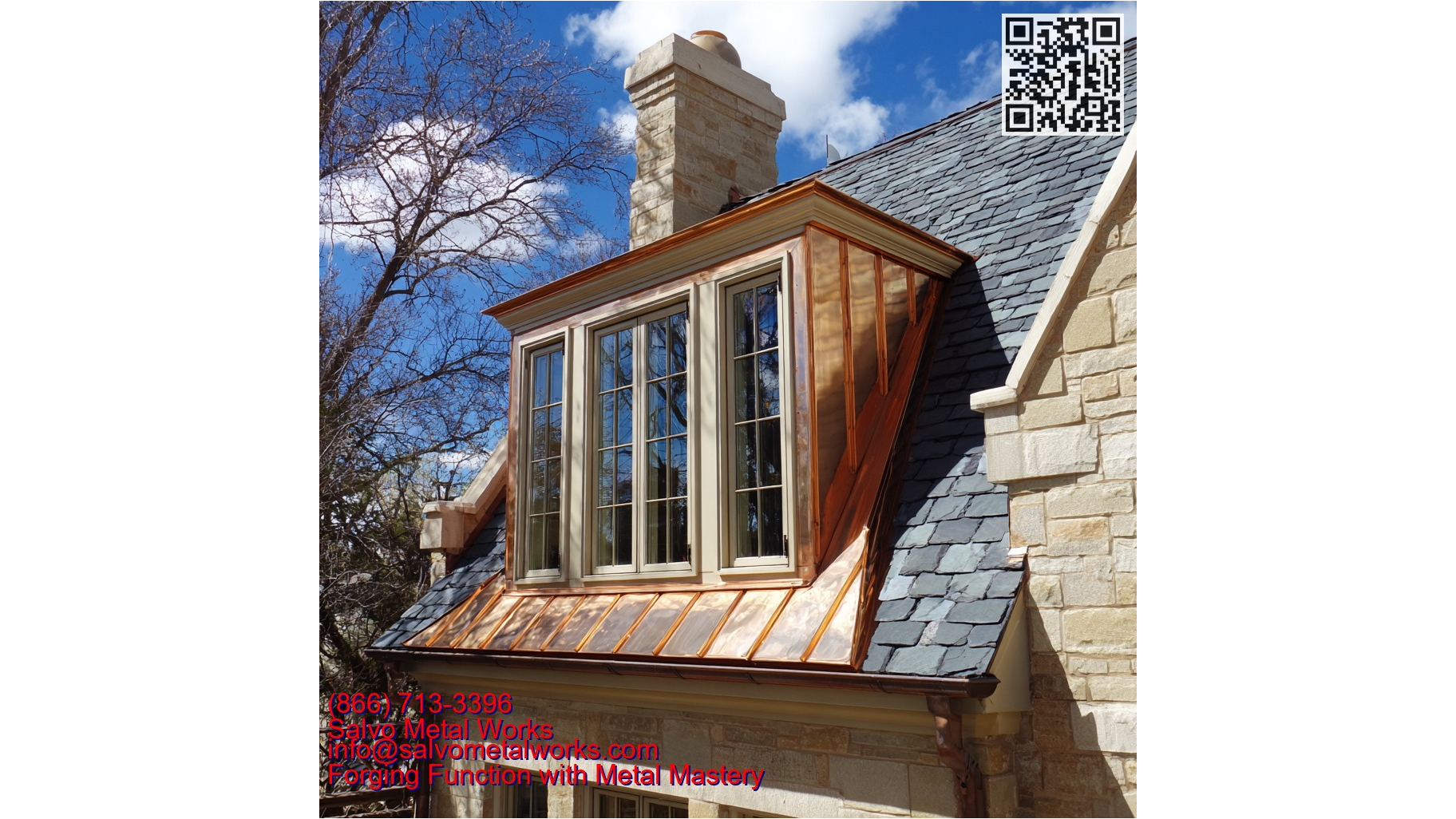
Naperville homeowners face a critical decision when protecting their chimneys from Illinois weather. The choice between copper and aluminum chimney shrouds can mean the difference between decades of reliable protection and frequent costly replacements. Understanding how each material performs against Naperville's specific weather challenges helps homeowners make the smartest investment for their homes.
Copper chimney shrouds demonstrate exceptional resilience against Naperville's demanding weather patterns. While aluminum shrouds struggle with the region's temperature extremes, copper develops a protective patina that actually strengthens its weather resistance over time. This natural aging process creates a barrier that shields the metal from moisture, wind, and temperature fluctuations.
The durability difference becomes apparent within the first few seasons. Copper's molecular structure better accommodates thermal expansion and contraction, offering more resistance to freeze-thaw cycles compared to standard aluminum. However, the performance of aluminum depends on its quality and thickness, explain the experts at Salvo Metal Works.
Aluminum's softer composition makes it vulnerable to denting from hail and expansion-contraction stress, but copper's superior tensile strength allows it to flex without permanent deformation, maintaining both function and appearance through severe weather events that regularly occur in the Naperville area.
Chimney shrouds provide coverage that extends beyond simple caps. While caps cover only the flue opening, shrouds encompass the entire chimney top, including the rain pan. This broader coverage offers superior protection against driving rain and snow that can infiltrate around traditional caps during storms.
The design difference impacts both aesthetics and functionality. Shrouds create a unified, polished appearance that improves curb appeal while delivering weather protection. Their larger surface area effectively diverts precipitation away from vulnerable chimney components, preventing the moisture damage that frequently affects homes with inadequate coverage.
Non-masonry chimneys require shrouds to protect their rain pan systems, which are particularly vulnerable to weather infiltration. Unlike masonry chimneys that rely on mortar and brick for structural integrity, non-masonry systems depend on metal components that must be completely sealed against moisture entry.
The rain pan serves as the foundation for the shroud, creating a waterproof barrier that prevents structural damage. Without proper shroud coverage, rain pans deteriorate rapidly in Naperville's wet springs and humid summers, leading to costly interior damage and system failure.
Naperville's winter temperatures regularly swing from below freezing to mild conditions, creating destructive freeze-thaw cycles that stress metal components. Water infiltration freezes and expands, then contracts as temperatures rise, causing microscopic cracks that grow larger with each cycle.
Aluminum shrouds show visible stress signs after just one severe winter season. The metal develops hairline cracks around mounting points and seams where expansion and contraction concentrate. These cracks allow moisture entry that accelerates corrosion and leads to premature failure.
Copper's molecular structure better accommodates thermal expansion without permanent damage. The material's natural flexibility allows it to move with temperature changes while maintaining structural integrity. This resilience explains why copper shrouds remain functional long after aluminum alternatives have failed.
Naperville's humid summers create conditions that rapidly corrode susceptible metals. High moisture levels combined with temperature fluctuations promote oxidation in aluminum and galvanized steel components. The constant humidity prevents complete drying between rain events, maintaining corrosive conditions.
Aluminum is susceptible to corrosion, often developing a white, chalky oxidation that can weaken the metal structure and affect its appearance. This oxidation process accelerates in areas with poor air circulation, making chimney shrouds particularly vulnerable to summer humidity damage.
Copper responds differently to humid conditions by forming its characteristic green patina. This surface layer actually protects the underlying metal from further corrosion, creating a self-preserving system that improves with age rather than deteriorating.
The durability gap between copper and aluminum shrouds is dramatic in Naperville's climate. Copper shrouds can last for several decades with proper care, while aluminum shrouds typically require replacement every 5-20 years depending on the specific conditions and material grade. This longevity difference stems from copper's superior resistance to corrosion and thermal stress.
Aluminum's shorter lifespan results from multiple failure modes. Corrosion attacks the metal from inside and outside surfaces, while thermal cycling causes fatigue cracks. Wind loading creates additional stress that compounds these problems, leading to structural failure well before the shroud's theoretical lifespan.
Copper maintains its protective function throughout its extended service life. The patina formation actually strengthens weather resistance over time, creating a shroud that performs better in year twenty than when newly installed.
Material costs vary, with aluminum shrouds generally being less expensive than copper shrouds. However, custom sizing and design significantly affect the final price. Contact local providers for current cost estimates. Over a 30-year period, homeowners typically replace aluminum shrouds 3-4 times while copper shrouds remain functional.
Installation costs remain similar between materials, but replacement labor adds significantly to aluminum's total expense. Multiple installations also increase the risk of roof damage and weather infiltration during replacement periods.
Custom sizing affects both materials similarly, but copper's longevity makes the premium investment more worthwhile. The cost differential becomes negligible when spread across copper's extended service life, while aluminum's frequent replacement cycle compounds expenses.
Copper shrouds require minimal maintenance, primarily occasional debris removal. However, annual inspections are recommended to ensure optimal performance and longevity. The patina formation is self-limiting and actually strengthens protection. Homeowners who prefer the bright copper appearance can apply protective coatings, but this is purely aesthetic preference rather than functional necessity.
Aluminum shrouds demand regular inspection and maintenance to identify early corrosion signs. Protective coatings must be reapplied every few years to slow deterioration. Even with diligent maintenance, aluminum shrouds eventually succumb to Naperville's weather conditions.
While individual experiences will vary depending upon the thickness and design of the shroud, basic aluminum products will start corroding in just a few years. White oxidation appears first around joints and fasteners, gradually spreading across the entire surface. This corrosion weakens the metal structure and creates entry points for moisture infiltration.
The failure timeline accelerates with exposure to road salt during winter months. Salt particles carried by wind create concentrated corrosion sites that rapidly penetrate protective coatings and attack the base metal.
Failed aluminum shrouds create unsightly staining on chimney surfaces and roofing materials. Rust streaks are particularly difficult to remove and often require professional cleaning or surface refinishing. These stains diminish curb appeal and can affect property values.
Frequent replacement cycles disrupt household routines and create ongoing expense uncertainty. Each replacement involves roof access, potential shingle damage, and weather exposure risks during installation. Multiple installations also increase the likelihood of improper fitting or installation errors.
The evidence strongly favors copper chimney shrouds for Naperville homeowners seeking reliable, long-term chimney protection, conclude the experts at Salvo Metal Works, who create custom shrouds in a variety of metals. Copper's exceptional durability, weather resistance, and low maintenance requirements create compelling value despite higher initial costs. The material's ability to improve with age through patina formation makes it uniquely suited to Naperville's challenging climate conditions.
Aluminum shrouds may appear cost-effective initially, and are certainly better than an unprotected chimney. But their short lifespan and frequent replacement needs make them expensive over time. The disruption and risk associated with multiple replacements add hidden costs that make copper the smarter investment for most homeowners.


