Ready to create beats at home? DJ controllers are the most affordable starting point, while all-in-one systems eliminate laptop needs but cost more. Traditional vinyl setups offer authentic experience but require more skill. Which one’s the best for you?
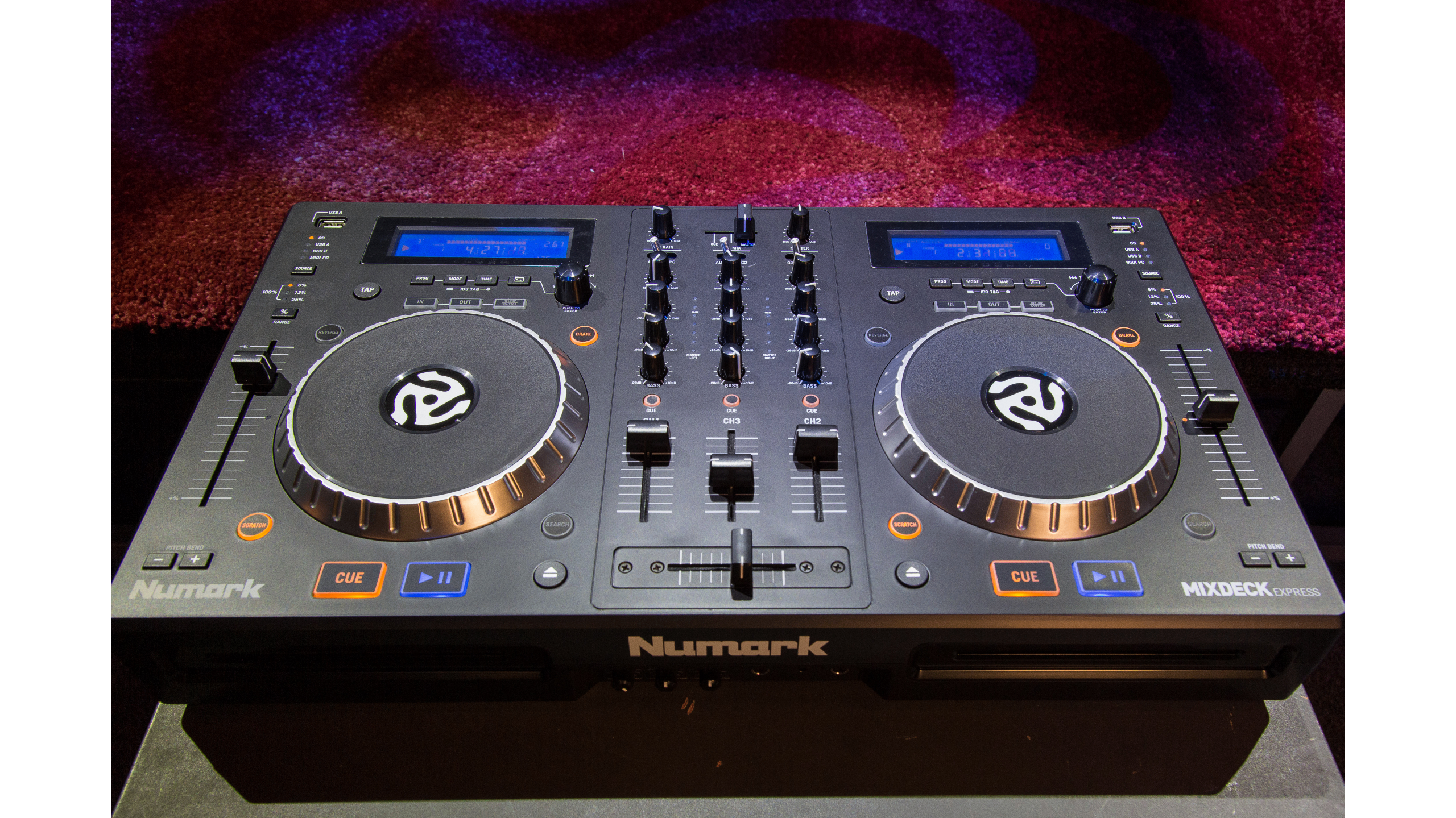
Home DJ production has surged in popularity in recent years, fueled by more accessible and affordable equipment. What was once limited to clubs and professional studios is now happening in bedrooms, garages, and home studios worldwide.
The market for DJ gear reflects this shift. The global DJ equipment industry was valued at over and is projected to grow steadily to more than USD 837 million by 2033. When factoring in both hardware and software, the sector already exceeds USD 2.5 billion, with forecasts showing it nearly doubling by the next decade. This growth is largely driven by hobbyists and aspiring DJs setting up at home.
With so many options available—controllers, all-in-one systems, traditional turntables, and integrated software—choosing the right setup can feel overwhelming for newcomers. For music enthusiasts looking to break into DJing, their first major decision is which type of system fits their style and budget. Production professionals at Sam Ash suggest recognizing the three main categories of DJ equipment before making any purchase: controllers, all-in-one systems, and traditional turntable setups.
Each DJ setup type has distinct advantages depending on one's goals, technical comfort level, and budget. Here's a breakdown of the essentials for each approach.
DJ controllers are by far the most popular choice for beginners—and for good reason. These devices connect to a laptop and work with digital music collections, making them ideal if one already has a substantial music library.
Key benefits of controllers include:
The downside? A decent laptop and reliable DJ software are needed to make the most of a controller.
All-in-one DJ systems represent the next step in digital DJing. These standalone units don't require laptops, featuring built-in screens running performance software and direct streaming capabilities.
Benefits of all-in-one systems include:
The main drawback is cost—expect to spend between $699 and $2,899 for a quality system.
For purists seeking the traditional DJ experience, nothing beats the authentic feel of vinyl records on turntables connected through a mixer.
Benefits of traditional setups include:
This approach requires more skill development and typically more investment in both equipment and vinyl records.
Controllers offer the most affordable entry point without sacrificing functionality. Here are three recommended options that balance quality, features, and price:
The Pioneer DDJ-FLX4 ($279) is consistently rated as one of the best entry-level controllers on the market. Its biggest advantage is the club-standard layout that helps beginners develop transferable skills for professional equipment.
What makes the DDJ-FLX4 special:
This controller is perfect for aspiring DJs who want to learn on equipment that mirrors what they'll find in club environments.
At just $239, the Numark Party Mix II is the most budget-friendly option on the list. This compact controller packs impressive features in a portable package.
Standout features include:
The Party Mix II is ideal for casual DJs and beginners who want to test the waters without a significant investment.
The AlphaTheta DDJ-FLX2 ($699) represents the upper end of beginner controllers, offering more advanced features for those willing to invest a bit more.
What sets the DDJ-FLX2 apart:
This controller is perfect for dedicated beginners who know they'll stick with DJing and want room to grow their skills.
For DJs who prefer not to rely on laptops, all-in-one systems offer the convenience of built-in screens and standalone operation. Here are three standout options:
The Numark Mixstream Pro Go ($699) is changing portable DJing with its built-in battery and comprehensive feature set.
Key features include:
This system is perfect for mobile DJs and those who want to practice or perform anywhere without power constraints.
The Denon DJ SC Live 4 ($1,129) offers incredible value with four-channel mixing capabilities at a mid-range price point.
Standout features include:
This system is ideal for DJs who want to create complex mixes with multiple tracks without breaking the bank on a premium system.
The Pioneer DJ XDJ-RR ($1,029) brings the professional club experience into a more affordable, all-in-one package.
What makes it special:
This system is perfect for DJs who primarily want to prepare for club performances and need equipment that mirrors professional setups.
For DJs who appreciate the tactile feel of vinyl and the traditional approach to mixing, turntable setups remain a popular choice. Though typically more expensive than controllers, they offer an authentic experience that many professional DJs still prefer.
The Pioneer DJ PLX-500 offers an excellent bridge between analog and digital DJing. This direct-drive turntable delivers solid performance for both traditional vinyl playback and digital control via DVS (Digital Vinyl System) technology.
Key features include:
This turntable is ideal for DJs who want to experience vinyl mixing without committing to a high-end price point.
The legendary Technics SL-1210 MK7 remains the gold standard for professional DJs worldwide. This updated version of the classic turntable brings modern features while maintaining the reliability that made the original famous.
Standout features include:
These turntables are an investment that will serve DJs for many years, making them perfect for serious vinyl enthusiasts and professional club DJs.
Beyond primary equipment, several accessories are crucial for a complete and functional DJ setup. Here's what professionals recommend to round out your system:
Software choice often depends on the hardware, but understanding the differences helps make informed decisions:
Many controllers come bundled with entry-level versions of these software packages, allowing individuals to upgrade as their skills develop.
Regular speakers don't provide the flat frequency response needed for proper mixing. Studio monitors designed for DJ use offer:
Popular options include the KRK Rokit series, Yamaha HS series, and JBL Professional 3 Series, with prices ranging from $300-700 per pair.
Quality headphones are non-negotiable for proper beat matching and cueing. Look for:
Industry standards include the Sennheiser HD-25, Pioneer HDJ series, and Audio-Technica ATH-M50x, typically ranging from $150-300.
Quality cables can make or break your setup:
Always buy extras and invest in quality cables that can withstand the rigors of regular use and transportation.
Once the gear is selected, a few practical steps can ensure a smooth start:
Every professional DJ started as a beginner. Consistent practice with quality equipment is the surest path to developing skills and a unique style.
Whether using a controller, an all-in-one system, or traditional turntables, the journey into home DJ production can be both exciting and rewarding. The right equipment provides a solid foundation, while creativity and dedication ultimately shape success.
provides expert insight into DJ equipment, guiding aspiring and professional DJs in choosing the right setups.


