With construction sites facing $1 billion in annual losses from theft and vandalism, effective security requires physical barriers, surveillance, lighting, and trained personnel. Boston Security offers 24/7 monitoring through their dispatch operations command center to protect your valuable assets and project timeline.
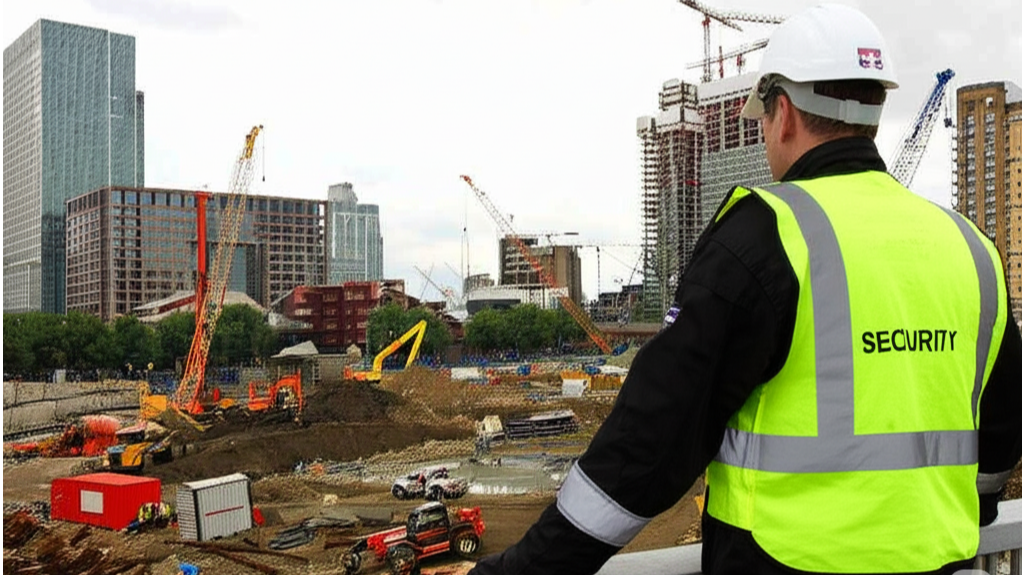
Construction sites attract criminal activity, with annual losses from theft and vandalism reaching $1 billion in some countries. These losses create project delays, compromise safety, and harm your company's reputation. Boston Security recognizes that protecting your construction investment demands a thorough, round-the-clock security strategy designed for building site challenges.
Construction sites present security challenges due to their basic design. Constantly changing perimeters, multiple access points, and large open areas make these environments difficult to secure. Temporary fencing and barriers can be easily compromised, while the size of many projects complicates thorough monitoring.
Modern construction sites house millions of dollars worth of equipment, tools, and materials. From copper wiring and building supplies to heavy machinery and specialized equipment, these assets attract thieves because of their value and resale potential. Even minor thefts cause major project disruptions when critical components disappear.
Beyond theft, unauthorized site access creates serious safety and liability risks. Trespassers may get injured, resulting in costly lawsuits. Vandalism can compromise structural integrity or safety systems, potentially putting workers at risk when they return. These risks go beyond property loss to include legal and regulatory consequences.
The financial consequences of poor security extend beyond stolen items. Project delays from equipment theft, vandalism repairs, insurance deductibles, and higher premiums contribute to the total cost of security incidents. For large projects, a single day's delay can cost thousands in additional expenses.
Effective construction site security requires multiple layers combining physical barriers, technology, and human monitoring. These measures significantly reduce security breach vulnerability.
The first defense for any construction site is a well-designed physical barrier system. High-quality perimeter fencing with anti-climbing features creates a clear boundary. Secure entry gates with strong locks, and consider anti-ram barriers at vehicle entry points to stop forced entry. Strategic warning signs function as legal notices and psychological deterrents.
Good illumination removes shadows and hiding places intruders might use. Install bright lighting throughout your site, particularly at equipment storage areas, material stockpiles, and site perimeters. Motion-activated lighting balances security and energy efficiency, immediately lighting areas when movement occurs while reducing operating costs.
Modern surveillance systems are central to effective site security. High-definition cameras should cover vulnerable areas, entry points, and valuable asset storage. These systems work best when connected to 24/7 monitoring services for immediate response to suspicious activity. Boston Security uses dispatch operations command centers providing round-the-clock monitoring with regular security personnel check-ins every 20-30 minutes.
Controlling site entry is vital for security. Implement a visitor management system requiring proper identification from all personnel. Electronic access systems with key cards, PIN codes, or biometric verification create auditable records of all entries and exits. For maximum security, divide the site into zones with specific access permissions.
Human surveillance complements technology by providing intelligent observation and immediate response. Trained security officers who understand construction environments can spot suspicious behavior automated systems might miss. These professionals should undergo thorough screening, investigation, testing, and training in construction site protocols. Effective patrol options include vehicle, bicycle, and golf cart patrols, each with specific advantages for site coverage.
Implement a solid system for tracking all equipment, materials, and tools. Regular inventories help quickly identify missing items, improving recovery chances. Consider GPS tracking for valuable mobile equipment and keep detailed records of serial numbers and identifying features. Some contractors use RFID tags or QR codes to simplify this process while increasing accuracy.
Effective security starts with understanding your specific vulnerabilities. Conduct a thorough risk assessment of your site's layout, asset value, local crime patterns, and potential security weaknesses. This assessment forms the basis for a custom security plan addressing your specific needs while optimizing resource use.
The security industry offers increasingly sophisticated tools for construction site protection. These technologies provide additional capabilities that strengthen traditional security measures.
These self-contained, quickly deployable systems combine cameras, lighting, and often solar power in one unit. They work well for remote locations or areas without infrastructure and can move as construction advances. Mobile units typically include motion detection, two-way audio, and wireless connectivity for real-time monitoring.
Unlike standard cameras that need visible light, thermal imaging detects heat signatures, making them highly effective for nighttime monitoring. These systems can find intruders in complete darkness or through visual barriers like fog or light foliage, giving superior perimeter detection.
Advanced camera systems with license plate recognition automatically record and log all vehicles entering and exiting your site. This creates a valuable record for security investigations and can alert security personnel when unauthorized or suspicious vehicles appear.
Artificial intelligence has transformed video surveillance by distinguishing between normal activity and potential security threats. These systems minimize false alarms by recognizing standard site activities while alerting security personnel to unusual behaviors or unauthorized access attempts.
Understanding who handles site security at different project stages is essential for maintaining continuous protection throughout your construction project.
During the construction phase, the general contractor and site superintendent typically take primary security responsibility. These parties coordinate daily operations and can best implement and oversee security protocols. They must ensure all subcontractors follow established security measures and maintain proper documentation for all site activities.
After project completion, security responsibility shifts to the property owner. This handover requires careful planning to avoid security gaps during transition. The contractor should provide complete documentation of security systems and protocols to maintain protection continuity.
Creating an effective security strategy requires methodical planning and implementation. Use this checklist to ensure your construction site security plan addresses all critical areas:
By implementing a comprehensive security strategy that combines physical barriers, technology, trained personnel, and clear procedures, you can significantly reduce theft, vandalism, and unauthorized access risks at your construction site. This multi-faceted approach keeps your valuable assets protected, maintains your project schedule, and minimizes liability exposure.
The most effective security plans fit the specific needs, location, and scope of your project. Regular reviews and updates to your security protocols maintain protection as your project moves from groundbreaking to completion.
Boston Security delivers expert construction site security solutions with 24/7 monitoring capabilities, helping contractors protect their valuable assets and maintain project timelines.


