Thinking about resurfacing your cracked driveway but worried about costs and longevity? There’s one critical preparation step that determines whether your $3-$20 per square foot investment lasts 8 years or fails within months.
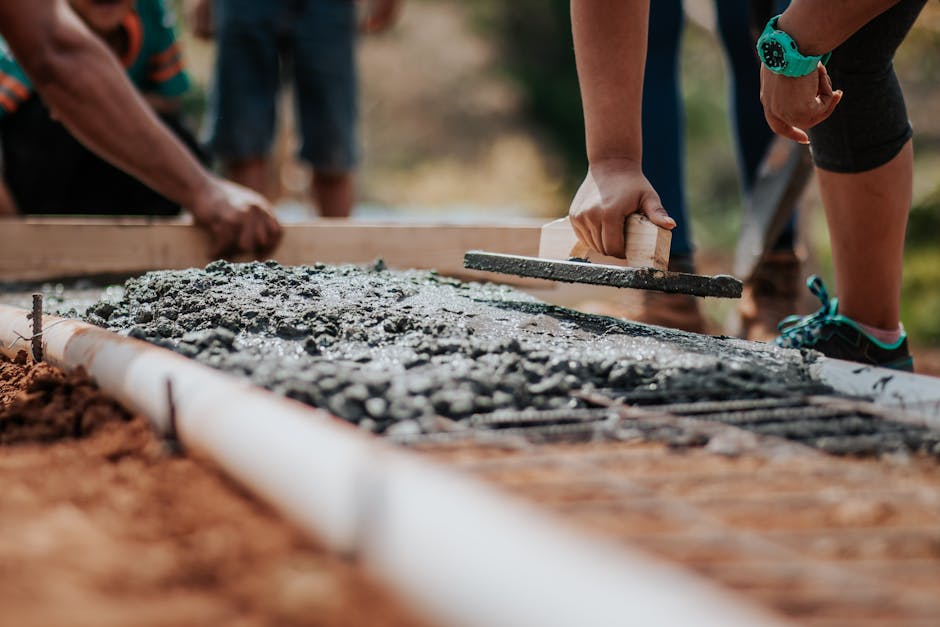
Concrete driveways face constant challenges in Texas climate. Hot Texas summers cause expansion and contraction, while occasional freeze-thaw cycles create stress fractures. Instead of tearing out and replacing an entire driveway, resurfacing offers a cost-effective solution that addresses surface imperfections while maintaining structural integrity.
Resurfacing involves applying a thin layer of cement-based overlay with special bonding agents over existing concrete. This process fixes minor cracks, addresses discoloration, and hides surface imperfections without the expense and disruption of full replacement.
The process improves curb appeal while protecting surfaces from vehicle wear and stains. Unlike replacement projects that require weeks of planning and significant excavation, resurfacing typically completes within a few days, allowing homeowners to resume normal activities quickly.
Several resurfacing techniques are available, each offering unique benefits for different aesthetic preferences and functional requirements. The choice depends on the existing driveway condition, desired appearance, and budget considerations.
Stamped concrete overlays transform plain driveways into decorative masterpieces. This process involves applying a new layer of concrete over the existing surface, then imprinting patterns and textures that mimic natural stone, brick, or wood. The overlay can be colored to match various design schemes, creating a high-end appearance at a fraction of natural material costs.
Modern stamped overlays use polymer-modified compounds that provide excellent adhesion and durability. Popular patterns include flagstone, cobblestone, and slate textures. The finished surface requires sealing every 2-3 years to maintain color vibrancy and protect against staining.
Skim coats involve applying ultra-thin layers of specialized concrete compounds, typically 1/8 to 1/4 inch thick. These microtoppings create smooth, uniform surfaces perfect for addressing minor surface irregularities and discoloration. The thin application makes this option ideal for driveways with minimal damage.
Microtoppings can be colored during mixing or stained after application. They provide excellent bases for decorative treatments like stenciling or engraving. The smooth finish makes cleaning easier and reduces dirt accumulation compared to textured surfaces.
Safety-focused resurfacing options include textured and anti-slip finishes that improve traction, especially important during wet conditions. These finishes incorporate aggregates or use specialized application techniques to create surface texture that prevents slipping while maintaining visual appeal.
Broom finish applications create consistent linear textures, while spray-down techniques expose aggregate for natural stone appearance. These options work particularly well for sloped driveways where traction is needed for safety.
Understanding pricing helps homeowners budget effectively for resurfacing projects. Multiple factors influence final costs, from basic overlay applications to complex decorative treatments.
Basic concrete resurfacing typically ranges from $3-$7 per square foot, making it more affordable than replacement, which generally costs between $4-$16 per square foot but can be higher depending on the extent of damage and materials used. Simple skim coats and basic overlays fall into this price range, providing functional improvements without decorative elements.
Decorative options increase costs to $8-$20 per square foot depending on complexity. Stamped concrete overlays with multiple colors and intricate patterns command premium pricing due to specialized labor and materials required. However, these investments often provide substantial returns through increased property values and improved curb appeal.
Several factors affect resurfacing costs beyond material choices. Driveway size directly impacts pricing, with larger areas benefiting from economies of scale. Existing concrete condition requires assessment, as severely damaged surfaces need extensive preparation work including crack repair and surface grinding.
Labor costs in Pearland reflect local market conditions and contractor expertise levels. Additional features like decorative borders, multiple colors, or custom patterns increase both material and labor expenses. Geographic accessibility and site preparation requirements also influence final pricing.
Longevity expectations help homeowners evaluate resurfacing as a long-term investment. While not permanent, quality resurfacing provides years of improved appearance and functionality.
Professional concrete resurfacing typically lasts 8-15 years under normal conditions, though extreme climates and other factors can reduce this to 5-12 years. High-quality materials and professional installation significantly impact longevity. Polymer-modified overlays generally provide better durability than basic cement-based products.
Proper maintenance extends resurfacing lifespan considerably. Regular cleaning removes debris that can cause staining or surface erosion. Resealing every 2-3 years protects against moisture penetration and UV damage, preventing premature deterioration.
Texas climate presents unique challenges for concrete surfaces. Intense summer heat causes thermal expansion, while occasional winter freezes create contraction cycles that stress resurfacing materials. UV radiation degrades surface sealers faster than in temperate climates, requiring more frequent reapplication.
Heavy rainfall during storm seasons can saturate concrete if sealer protection fails. Quality installation includes proper drainage considerations to prevent water pooling that accelerates deterioration. Professional contractors understand local climate impacts and select appropriate materials for Texas conditions.
Installation quality directly affects resurfacing performance and longevity. While DIY options exist, professional installation offers significant advantages for most homeowners.
Proper surface preparation determines resurfacing success more than any other factor. The process includes thorough cleaning to remove oil, grease, and existing sealers that prevent adhesion. Power washing alone isn't sufficient; chemical cleaning agents may be necessary for stubborn contaminants.
Crack repair requires filling active cracks wider than a credit card to prevent reflection through new surfaces. Surface profiling through grinding or shot blasting creates the texture needed for optimal overlay bonding. These preparation steps require specialized equipment and expertise to execute properly.
Professional contractors possess the expertise to assess existing concrete conditions and select appropriate resurfacing systems. They understand local climate considerations and can recommend maintenance schedules that maximize investment value. Professional installation may include warranties that protect homeowners against premature failure.
DIY resurfacing kits from big box stores rarely match professional results in durability or appearance. While initially less expensive, DIY projects often require replacement sooner than professional work, ultimately costing more over time. Professional contractors also carry insurance protection for property damage during installation.
Concrete driveway resurfacing provides an excellent opportunity to improve your home's curb appeal while addressing functional concerns. The variety of options available ensures solutions for every budget and aesthetic preference, from basic protective overlays to decorative stamped finishes that rival natural materials.
Success depends heavily on proper material selection, surface preparation, and installation expertise. While costs vary based on complexity and decorative elements, resurfacing remains significantly more affordable than replacement while delivering impressive visual improvements. Professional installation ensures optimal results and longevity in Texas climate conditions.


