While homeowners think roofing work slows down in winter, Galveston contractors stay busier than ever during cooler months. From emergency storm repairs to hurricane-resistant installations, discover what’s really driving this unexpected seasonal surge in coastal roofing demand.
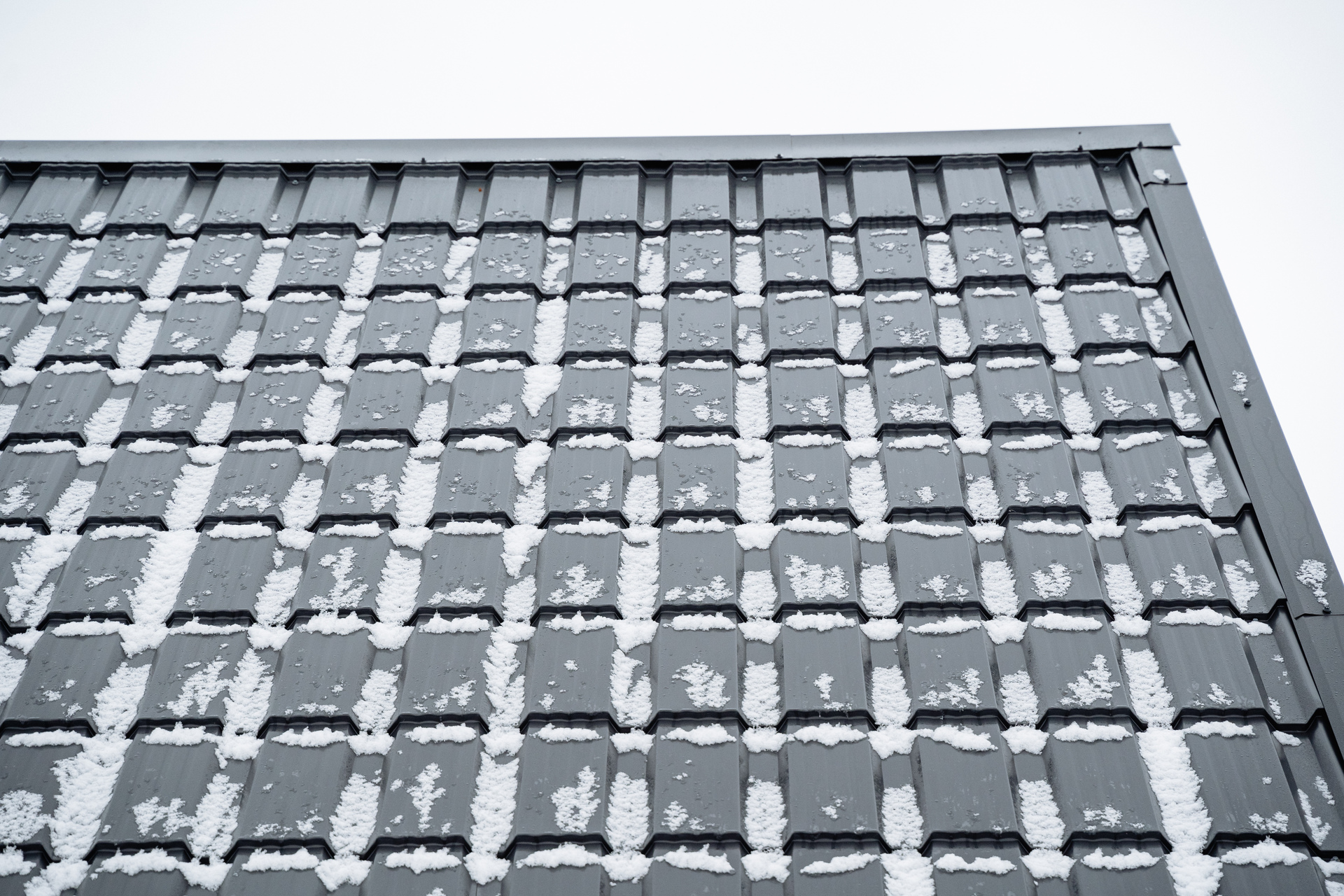
While many homeowners assume roofing work slows down during winter, the opposite holds true for many Gulf Coast contractors. Galveston's unique coastal environment creates conditions that keep local roofers busier than ever during the cooler months. From emergency storm damage repairs to proactive hurricane-resistant installations, winter presents specific challenges that demand immediate attention.
Winter storms along the Texas Gulf Coast bring a unique combination of high winds, driving rain, and salt-laden air that damages roofing systems. Unlike inland areas that primarily deal with snow and ice, Galveston homeowners face a different set of winter roofing challenges. The combination of moisture intrusion and corrosive salt air accelerates damage that might take years to develop in other climates.
Emergency storm damage repairs dominate winter roofing schedules as contractors respond to urgent calls for temporary tarping and immediate leak repairs. These emergency services prevent additional damage while homeowners navigate insurance claims and schedule permanent repairs. Local roofing contractors report that emergency calls increase significantly during winter storm events - with many homeowners discovering damage only after water begins entering their homes.
The coastal environment also exposes roofs to salt corrosion, high winds, moisture intrusion, and UV exposure year-round, but winter storms intensify these effects. Storm damage can lead to loosened, torn, or lifted shingles, potentially causing leaks and structural damage that requires immediate professional attention.
Flashing repairs top the list of winter roofing projects because these metal components bear the brunt of coastal weather conditions. When flashing fails, it compromises the roof's waterproof barrier - leading to serious leaks that can create health hazards for families.
Common signs of flashing damage include rust formation on gutters and metal components, water stains on interior walls or ceilings, and visible gaps or lifting around roof penetrations. Winter weather conditions make flashing especially vulnerable, as temperature fluctuations cause metal to expand and contract - loosening fasteners and creating entry points for moisture in the process.
Asphalt shingles face particular challenges during Galveston's winter storms. High winds can lift, crack, or completely remove shingles, leaving the underlying roof deck exposed to the elements. It's no wonder shingle roof repairs are one of the most common winter maintenance needs, as these flexible materials become brittle in cooler temperatures while simultaneously facing intense wind pressure.
Homeowners should watch for curling or missing shingles, granule loss in gutters, and soft spots that indicate underlying moisture damage. Storm lifting occurs when wind gets underneath shingle edges, creating an upward force that can tear shingles from their fasteners or break them along stress lines.
Winter brings increased rainfall and debris that overworks gutter systems along the Gulf Coast. Clogged or damaged gutters can't properly channel water away from the roof and foundation, leading to backup that causes roof damage and foundation problems. Salt corrosion accelerates gutter deterioration - making winter the ideal time for gutter system overhauls.
Proper gutter maintenance involves cleaning out debris, checking for proper drainage, and inspecting fasteners and downspouts for damage. Overworked gutters during winter storms can pull away from the roofline, creating gaps that allow water to penetrate the roof structure.
Emergency roofing services become critical when winter storms cause sudden roof breaches. Temporary tarping and immediate leak repairs prevent additional damage while permanent solutions are planned and implemented. These emergency responses protect both the roof structure and interior contents from further water damage.
Emergency tarping involves securing waterproof materials over damaged areas using proper fastening techniques that won't cause additional roof damage. Professional contractors use weighted systems and specialized fasteners to ensure tarps remain secure during subsequent storms while minimizing penetration into the roof deck.
Winter weather can drive small animals and rodents to seek shelter in warm attics - where their nesting activities can cause substantial roof damage. Wild rodents create entry points, damage insulation, and allow moisture to seep into homes. Even worse, their droppings also create health hazards that require professional cleanup and restoration.
For roofers, then, pest damage restoration involves sealing entry points, replacing damaged insulation, and repairing any structural damage caused by animal activity. Winter conditions make attic spaces particularly attractive to wildlife, as the contrast between outdoor cold and indoor warmth draws animals to seek refuge in roof spaces.
Salt corrosion intensifies during winter months as increased storm activity carries more salt-laden moisture onto roofing surfaces. This corrosive environment attacks metal components, fasteners, and flashing at an accelerated rate compared to inland locations. The combination of moisture and salt creates an electrochemical reaction that rapidly degrades metal roofing components.
Homeowners near the coast have to inspect their roofs more frequently than inland properties, with experts recommending inspections at least twice yearly, particularly after the hurricane season. Salt corrosion can compromise structural integrity within months rather than years - making proactive maintenance vital for coastal properties.
The combination of high winds and moisture during the winter months creates ideal conditions for roof damage - unfortunately. Gulf Coast winds can reach sustained speeds that stress roofing materials beyond their design limits, while simultaneous moisture exposure only accelerates the deterioration of vulnerable components.
These challenging conditions explain why Galveston roofing contractors stay busy during wintry months. The same weather patterns that might cause minor issues in other climates create major repair needs along the coast - where environmental conditions are more extreme and corrosive.
Metal roof installations increase during the winter as homeowners prepare for the upcoming hurricane season. Metal roofs offer superior wind resistance, with properly installed systems designed to withstand high winds typical of major hurricanes. This makes them a preferred choice for Gulf Coast properties seeking maximum storm protection.
Metal roofing systems also resist salt corrosion better than traditional materials, making them particularly well-suited for coastal environments. The installation process requires specialized techniques - including adequate fasteners and clips that meet wind load requirements for hurricane-prone areas.
FEMA acknowledges metal roofs as a resilient option for hurricane-prone areas like Galveston, emphasizing proper installation techniques that exceed standard building codes. These guidelines support the use of reinforced installation methods, wind-rated materials, and enhanced fastening systems that provide superior storm protection.
Hurricane-resistant installations follow strict protocols that include reinforced decking, enhanced underlayment, and specialized fastening patterns designed to withstand extreme wind loads. Winter installations allow contractors to work without the pressure of approaching storm seasons, ensuring meticulous attention to detail that maximizes system performance.
Winter roof inspections provide the perfect opportunity to identify and address potential vulnerabilities before spring storm season arrives. Professional inspections reveal problems that might not be visible from ground level, including loose fasteners, damaged flashing, and compromised seals that could fail during the next major weather event.
Proactive maintenance during winter months allows homeowners to schedule repairs during contractors' less busy periods, often resulting in better pricing and faster completion times. Waiting until storm season approaches typically means higher costs, longer wait times, and limited contractor availability when repairs become urgent.
A winter inspection should include checking for granule loss, examining flashing and penetration seals, testing gutter drainage, and assessing the overall structural integrity of the roofing system. Early detection of problems allows for planned repairs rather than emergency responses that disrupt daily life and strain budgets.
For expert winter roofing services and storm preparation, contact teams like Galveston County Roofing to protect your home before the next storm season begins.


