Veterans experience PTSD at significantly higher rates than the general population—up to 20% among those who served in Iraq and Afghanistan. But military training often shapes how symptoms appear, making them harder to recognize.
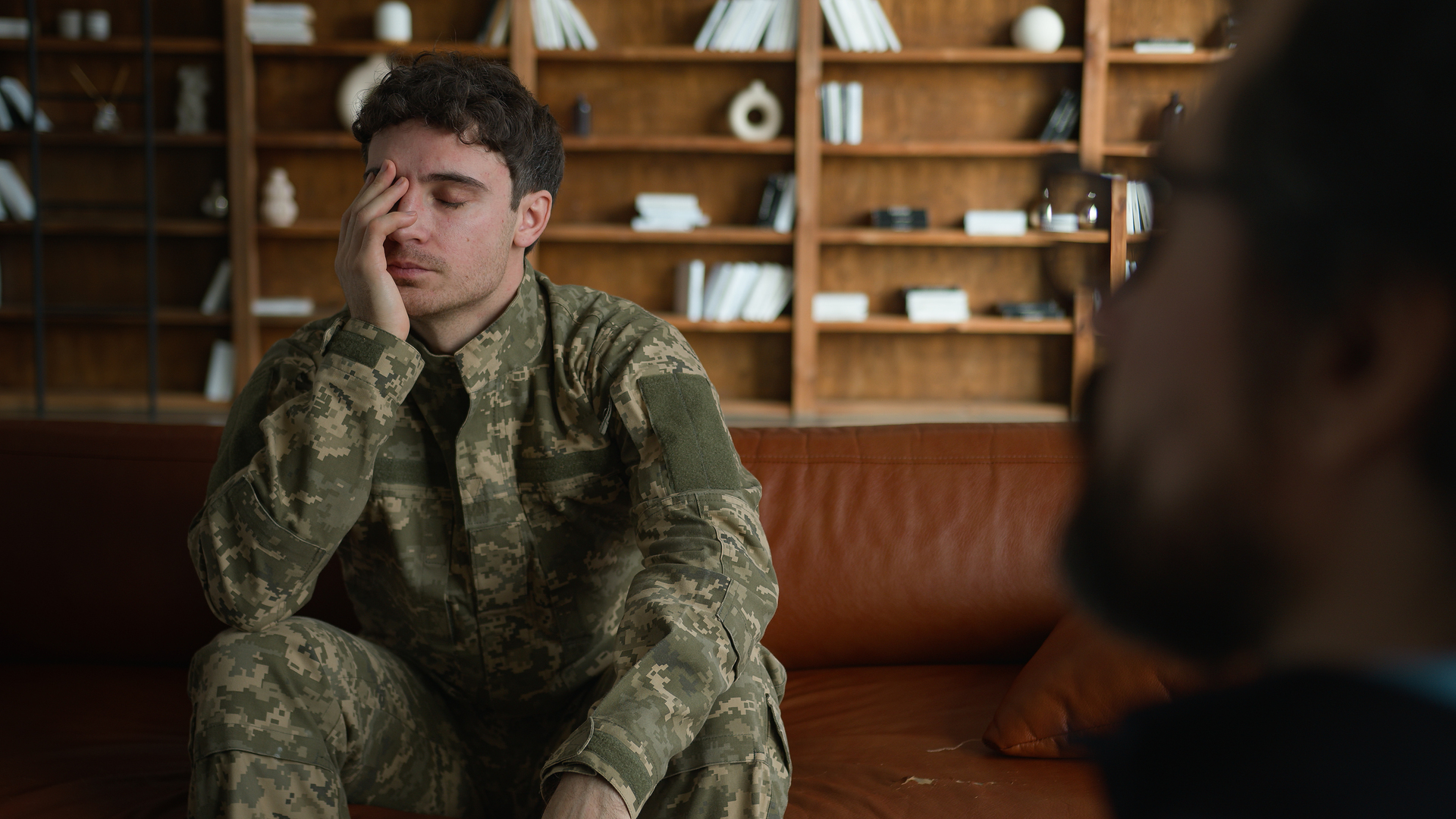
The numbers speak for themselves. According to the U.S. Department of Veterans Affairs, about 7 out of every 100 veterans will experience PTSD at some point in their lives. That figure rises significantly depending on service era and exposure to trauma.
Veterans of Operations Iraqi Freedom and Enduring Freedom show some of the highest rates, with studies estimating PTSD prevalence between 11% and 20%. Gulf War veterans fall around 12% to 15%, while Vietnam-era veterans remain impacted decades later—9% still living with PTSD as of 2020, and among those exposed to heavy combat, the rate climbs to over 15%.
Gender differences also tell a stark story. Female veterans are diagnosed with PTSD more often than their male counterparts—13% vs 6% in some studies—a gap often tied to the high incidence of military sexual trauma (MST). According to VA data, MST affects about 1 in 3 women and 1 in 50 men screened by VA providers.
Clinicians at A Mission For Michael, a mental health treatment provider specializing in trauma-related care, acknowledge the layered challenges veterans face. Their treatment approaches are designed with these complexities in mind, offering trauma-informed support for both combat and non-combat PTSD experiences.
Military trauma is often repeated, intense, and prolonged, making it distinct from most civilian experiences. PTSD develops when the brain struggles to process threats involving death, serious injury, or sexual violence. In service settings, these threats can be constant. Key triggers include direct combat, witnessing casualties, and repeated exposure to graphic violence. Service members may also experience indirect trauma, much like first responders, through ongoing exposure to life-threatening scenarios or the aftermath of violence.
Combat zones demand hypervigilance. Improvised explosive devices (IEDs), sniper fire, and sudden mortar attacks keep soldiers in a constant state of alert. This mental state may help survival on the battlefield—but becomes deeply disruptive back home. Witnessing the injury or death of fellow soldiers can lead to what clinicians call "moral injury"—a psychological wound stemming from actions, or inactions, that violate deeply held values. Survivors often wrestle with guilt and shame, asking why they lived when others didn't.
MST—sexual harassment or assault during military service—introduces another layer of trauma. Often inflicted by peers or superiors, MST survivors face both personal violation and institutional betrayal. Fear of retaliation or career damage can silence reporting and delay recovery.
PTSD linked to MST often involves trust issues, strained relationships, and a conflicted sense of identity around military service. A Mission For Michael clinicians note that MST survivors may require longer treatment timelines and therapy approaches that address both trauma and the structural power dynamics behind it.
PTSD risk increases with prior trauma, family history of mental illness, or limited social support. Women face higher PTSD rates, due in part to elevated rates of MST and gaps in support systems.
Age, deployment length, and number of deployments also matter. Younger service members may lack coping skills, while repeated tours lead to cumulative stress. Reserve and National Guard personnel often struggle with transitions between military and civilian life, especially without the ongoing support networks active-duty units provide.
Intrusive Memories show up as flashbacks, nightmares, and sudden physical reactions triggered by loud noises, burning smells, or crowded spaces. For veterans, these memories don't stay in the past—they feel immediate. Nightmares disrupt sleep, leading to chronic exhaustion that impacts focus, mood, and relationships.
Avoidance Behaviors can offer temporary relief but comes at a cost. Veterans may pull away from family, avoid military-themed media, or skip crowded events. Even medical appointments can be triggering. Over time, avoidance shrinks their world and delays healing.
Negative Thoughts and Mood Shifts. PTSD often rewires core beliefs. Veterans might see themselves as broken or the world as unsafe. They may struggle to feel joy, experience guilt for surviving, or blame themselves for what happened. Trauma-related memory gaps can add to the frustration.
Heightened Arousal and Reactivity include hypervigilance: scanning rooms, choosing seats with clear views of exits, and bracing for threats even in safe places. Sleep problems, angry outbursts, and sudden startle reactions make daily life feel overwhelming. Some turn to risky behavior to cope.
The same traits that keep soldiers alive—quick threat assessment, emotional control, mission focus—can make PTSD harder to recognize and treat. Veterans are trained not to flinch, to push through pain, and to see emotional distress as weakness. This mindset can delay treatment as veterans wait years before seeking help, convinced they should "tough it out."
Transitioning out of the military doesn't switch off survival instincts. Civilian life lacks the structure and clear danger cues of combat zones, making uncertainty feel unsafe. Veterans may constantly check exits in restaurants, avoid crowds, or feel uneasy in public places without obvious escape routes.
This constant alertness can be draining. It complicates relationships, employment, and everyday social interactions. Many veterans describe feeling "on edge" or "out of sync" with civilians who don't share that need for vigilance.
Trauma-Focused Therapy (The Gold Standard): Among the most effective treatments for veteran PTSD are trauma-focused psychotherapies—approaches that help individuals directly process traumatic memories and reduce their psychological impact.
Cognitive Processing Therapy (CPT): CPT helps veterans identify and challenge harmful thoughts like "I should've done more" or "I didn't deserve to survive.” Through structured sessions, they learn to reframe beliefs about safety, trust, guilt, and identity. The standard course runs around 12 sessions and focuses heavily on reshaping trauma-related thought patterns.
Prolonged Exposure (PE): PE supports veterans in safely confronting memories and situations they've been avoiding. This may involve recounting trauma experiences or gradually re-engaging with places and activities they associate with fear. Over time, avoidance and distress both decrease.
Eye Movement Desensitization and Reprocessing (EMDR): EMDR uses bilateral stimulation—like guided eye movements—while veterans recall traumatic events, helping reduce the emotional intensity of those memories. While EMDR has shown strong results, it's a newer method compared to CPT or PE.
Some veterans benefit from medication, either on its own or alongside therapy. The FDA has approved several antidepressants for PTSD that work by regulating brain chemicals tied to mood and anxiety.
First-line medications include:
These medications typically take a few weeks to show results and may require dosage adjustments. Treatment is most effective when guided by a clinician familiar with PTSD in veteran populations.
Prazosin is unique among PTSD medications—it's not for mood, but for sleep. Originally a blood pressure drug, prazosin blocks receptors linked to nightmares and hyperarousal. For veterans whose PTSD symptoms center on sleep disruption, it can be a game-changer. Many report fewer nightmares and deeper rest within weeks. Better sleep often leads to improved emotional regulation, concentration, and daytime functioning.
That said, recent studies have prompted mixed guidance from the VA and Department of Defense, with some questioning its overall efficacy. Individual results vary widely, so healthcare providers should assess whether prazosin aligns with a veteran's specific symptom profile.
The U.S. Department of Veterans Affairs offers PTSD programs built for military-specific experiences. These range from intensive outpatient care (allowing veterans to maintain daily responsibilities) to residential programs (offering round-the-clock support for severe cases).
Programs typically combine:
Many also address co-occurring conditions like depression, substance use, or suicidal ideation. Because PTSD rarely exists in isolation, integrated treatment plans are often essential.
Seeking treatment for PTSD is a step toward healing—not a sign of weakness. Veterans have access to a range of care options, from VA services to private providers who specialize in military trauma. The key is finding a personalized combination of approaches that address specific symptoms, experiences, and goals.
Support from family and loved ones often plays a critical role. Telehealth has also expanded access to care, particularly for veterans in rural areas or those who prefer virtual support. Many trauma-focused therapies, including CPT and PE, are now delivered effectively through secure online platforms. Complementary practices like mindfulness and yoga may be helpful alongside clinical care, though they're not substitutes for evidence-based therapy or medication.
With the right support, recovery is possible. Veterans deserve care that honors their service while helping them build a future rooted in safety, connection, and growth. Healing can take time, but effective treatment can restore a sense of control, purpose, and belonging.


