Northern Virginia homeowners are about to face an invasion they might not see coming until it’s too late. While you’re enjoying fall weather, boxelder bugs, stink bugs, and mice are already scouting your home… and their multiplication rates might shock you.
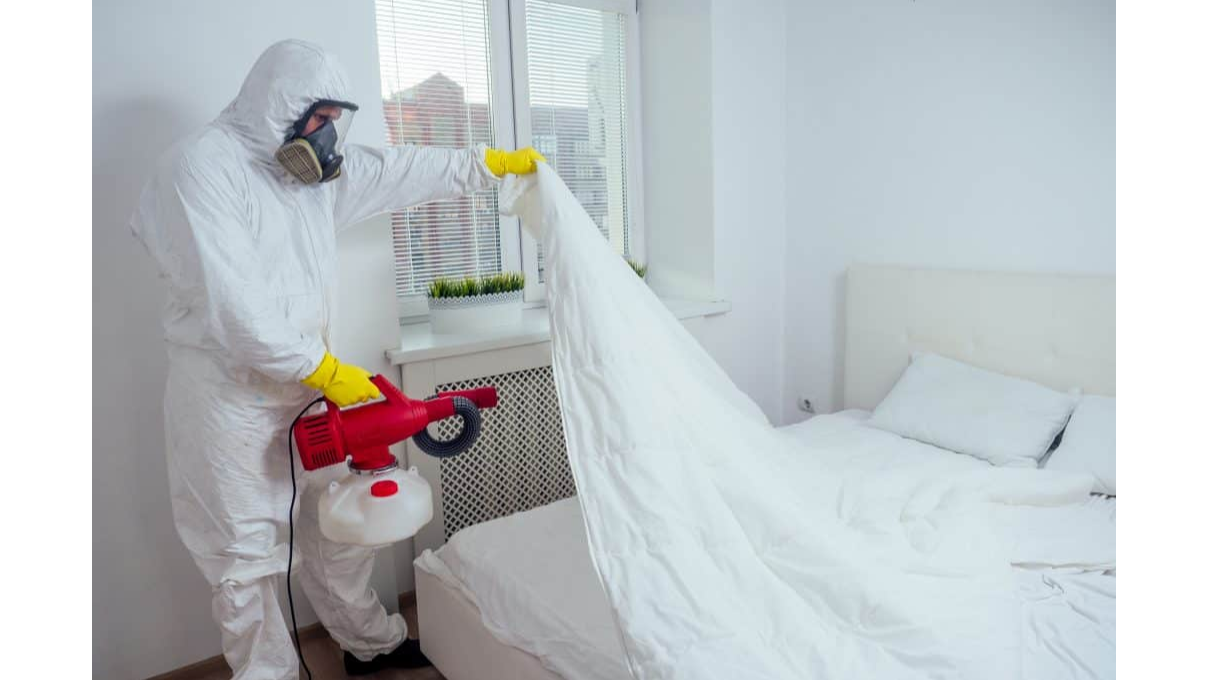
With the crisp autumn air comes more than just changing leaves for Northern Virginia homeowners. As temperatures drop, Northern Virginia homeowners often see an increase in pests seeking indoor shelter. Are they looking for a cozy spot to wait out winter? Yes, but that's not all. They're also actively scouting homes throughout NOVA, and once they find their way in, they multiply fast.
Fall pest invasions are like clockwork. The same cooling weather that makes homeowners reach for sweaters triggers survival instincts in insects and rodents. They're not picky about their winter accommodations, but they are, if anything, persistent. What starts as a few bugs here and there can grow into a full-scale infestation within weeks.
Such issues are urgent. Unlike some summer pests that may stay outdoors, fall invaders are more actively seeking shelter. This drive makes them more aggressive about finding entry points and more likely to establish permanent colonies inside homes. Same-day pest control services are critical during this season - because waiting even a few days can make all the difference between dealing with a handful of pests and facing a full infestation.
Boxelder bugs tend to gather in large groups instead of traveling alone. These black insects with distinctive red markings collect in massive clusters on the sunny sides of buildings during fall - creating what looks like moving carpets on exterior walls. They feed primarily on boxelder, maple, and ash trees during warmer months, but as temperatures drop, their food sources disappear... and warmth becomes their top priority.
The clustering behavior that makes boxelder bugs so noticeable also makes them particularly problematic for homeowners. They're attracted to the warmth radiating from home exteriors, especially south and west-facing walls that catch afternoon sun. And once a few scouts find suitable cracks or gaps, they release pheromones that attract hundreds more.
Spotting boxelder bug activity early can save homeowners from dealing with indoor invasions. The most obvious sign is seeing large clusters on exterior walls, particularly around windows, doors, and foundation areas. Adult boxelder bugs are about half an inch long with a distinctive oval shape and red wing markings that make them easily identifiable.
Inside homes, boxelder bugs tend to congregate near windows and light sources. They're not particularly good at hiding, so infestations get pretty obvious, very quickly. Homeowners often notice them crawling on walls, windowsills, and curtains. While they don't reproduce indoors, the sheer number that can enter makes them a significant nuisance.
One of the most frustrating aspects of boxelder bug infestations is the staining they leave behind. These bugs produce small, dark fecal spots that can permanently discolor light-colored surfaces including walls, curtains, and furniture. The stains are particularly noticeable on white or cream-colored surfaces and can be difficult to remove once they set.
The staining issue gets even worse when bugs are crushed, either accidentally or during removal attempts. When squashed, boxelder bugs release additional fluids that can create larger, more persistent stains. This is why physical removal needs to be done carefully, preferably with a vacuum cleaner rather than crushing them by hand.
Brown marmorated stink bugs are so-named due to their appearance and behavior. These shield-shaped insects are roughly the size of a dime, with mottled brown coloring that gives them their "marmorated" or marble-like appearance. Originally from Asia, they were accidentally introduced to the United States in the 1990s and have since become a major fall pest throughout Northern Virginia.
The easiest way to distinguish brown marmorated stink bugs from other similar insects is their distinctive shield shape and the light bands on their antennae. Adults have well-developed wings and can fly - though not particularly gracefully. Their brown coloring helps them blend in with tree bark and dead leaves, making them harder to spot outdoors until they begin congregating on home exteriors.
Stink bugs begin their search for winter shelter when nighttime temperatures consistently drop, typically during late September and early October in Northern Virginia. Unlike some pests that gradually move indoors, stink bugs can appear seemingly overnight as weather conditions trigger their shelter-seeking behavior.
Like boxelder bugs, these insects are also attracted to the warmth radiating from home exteriors during sunny fall days. They often gather on south-facing walls and around windows where they can feel heat from indoor heating systems. Once they find suitable entry points (often around window frames, door seals, or utility penetrations) they can squeeze through surprisingly small gaps to reach indoor spaces.
While other fall pests might be nuisances, rodents pose serious safety threats to Northern Virginia homes. Mice and rats have an instinctive need to gnaw constantly to keep their ever-growing teeth from becoming overgrown. Unfortunately, this natural behavior leads them to chew through electrical wires, creating potentially dangerous fire hazards.
Fire protection experts report that rodents contribute to numerous house fires annually through wire damage. The problem is particularly severe in attics, basements, and wall voids where damaged wiring might go unnoticed for months. Mice can chew through wire insulation in just minutes, leaving bare copper conductors that can spark and ignite surrounding materials.
Rodents carry and transmit numerous diseases that most families (in fact, all) would rather steer well clear of. These include salmonella, hantavirus, and lymphocytic choriomeningitis virus, among others. Disease transmission occurs through direct contact with rodents, their droppings, urine, or saliva, but can also happen indirectly through contaminated food or surfaces.
The health risks go up significantly during fall infestations. That's because rodents spend more time indoors, leaving more droppings and urine throughout living spaces. Kitchen areas are particularly vulnerable since rodents are attracted to food sources and often contaminate pantries, countertops, and food preparation areas. Even small amounts of rodent waste can contain dangerous pathogens.
Mice reproduction rates can turn a small problem into a major infestation incredibly quickly. A single female mouse can potentially produce 5-10 litters per year, with each litter containing 4-8 babies. These offspring reach sexual maturity in just 6-8 weeks, meaning population growth accelerates exponentially.
Fall infestations are especially problematic. Mice that enter homes in autumn have all winter to reproduce in ideal conditions. Indoor environments provide consistent temperatures, abundant food sources, and protection from predators - and these are the perfect conditions for rapid population growth. By spring, homeowners might be dealing with dozens of mice descended from just a few fall invaders.
The most effective pest prevention strategy starts with denying entry altogether. Fall pests can squeeze through surprisingly small openings - mice can fit through holes the size of a dime, while insects can exploit even smaller gaps. A thorough inspection of the home's exterior should focus on areas where different materials meet, such as where siding meets foundation or around utility penetrations.
Critical areas to seal include gaps around pipes, cables, and vents entering the home, cracks in foundation walls, spaces around window and door frames, and areas where roof lines meet walls. High-quality caulk works well for small gaps, while larger openings may require expanding foam or hardware cloth. Steel wool is particularly effective for rodent exclusion since they can't chew through it.
Proper yard maintenance creates a buffer zone that discourages pests from approaching the home. Fall cleanup should include removing leaf litter near the foundation, as decomposing leaves provide shelter and breeding grounds for many insects. Firewood should be stored at least 20 feet from the house and elevated off the ground to prevent rodent nesting.
Tree branches and shrubs should be trimmed back from the house to eliminate bridges that allow pests direct access to rooflines and upper-level entry points. Gutters need regular cleaning to prevent water accumulation that attracts pests, and drainage issues around the foundation should be addressed to eliminate moisture that many insects require.
Indoor attractants play a major role in pest problems, so sanitation efforts are crucial for prevention. All food items should be stored in sealed, pest-proof containers - cardboard boxes and thin plastic packaging offer no protection against rodents. Pet food deserves special attention since it's often stored in easily accessible locations and provides high-protein nutrition that pests find irresistible.
Regular cleaning routines should include wiping down counters and sweeping floors to eliminate crumbs and spills. Garbage cans need tight-fitting lids and regular cleaning to prevent odors from attracting pests. Recycling bins should be rinsed clean, and composting systems should be properly managed to avoid creating pest breeding grounds near the home.
Windows and screens are primary entry points for many fall pests, making their upkeep vital for prevention. All window screens should be inspected for holes, tears, or gaps around frames. Even small screen damage can allow insects entry, and screens that don't fit tightly in their frames create easy access points.
Keep in mind that weather stripping around windows and doors often deteriorates over time, creating gaps that pests exploit. Fall is an ideal time to inspect and replace worn weather stripping, both for pest prevention and energy efficiency. Window-mounted air conditioners should be removed for winter or properly sealed around their perimeters to eliminate entry points.
Research conducted at the University of Virginia found that homemade soapy water traps were more effective than commercial traps for eliminating indoor stink bugs in their specific study. The traps, made with dish soap and water in shallow containers, attracted and killed more stink bugs than store-bought alternatives. The effectiveness comes from the soap breaking surface tension, causing bugs to sink and drown when they land in the water. However, results may vary depending on specific conditions and pest populations.
You'll need to hire professional pest control when DIY efforts fail to control the problem - or when dealing with pests that pose health or safety risks, such as disease transmission, structural damage, or fire hazards from chewed wires. If you've found multiple dead rodents, discovered extensive droppings throughout your home, noticed structural damage from pest activity, or are dealing with stinging insects near entry points, then calling licensed crews might be your best option. Large-scale infestations of any pest type typically require professional treatment to achieve complete elimination and prevent recurrence.
Fall pest problems demand immediate attention because delay allows minor issues to become major infestations. Same-day pest control services provide immediate relief while preventing the exponential growth that characterizes fall pest invasions. Professional treatment also identifies and treats areas where pests are likely to establish colonies.
The cost of professional pest control is often less than the potential damage from untreated infestations. Rodent wire damage alone can result in expensive electrical repairs, while structural damage from extensive rodent activity can compromise home integrity. Health risks from pest-borne diseases add another dimension of cost through medical treatment and lost productivity.
Quick professional intervention also provides peace of mind during the season when pest pressure is highest. Rather than spending weeks battling increasingly severe infestations with DIY methods, homeowners can restore their homes to pest-free conditions within days. This approach proves more cost-effective and less stressful than prolonged battles with established pest colonies.
For Northern Virginia homeowners facing fall pest invasions, teams like Connor's Pest Pros offer expert same-day pest control services that eliminate current problems and prevent future infestations.


