Proper surface preparation, waterproofing, and material selection separate successful bathroom tile installations from expensive failures. Understanding how moisture affects every decision—from adhesive application to grout timing—helps you avoid the costly mistakes that force complete reinstallations within months.
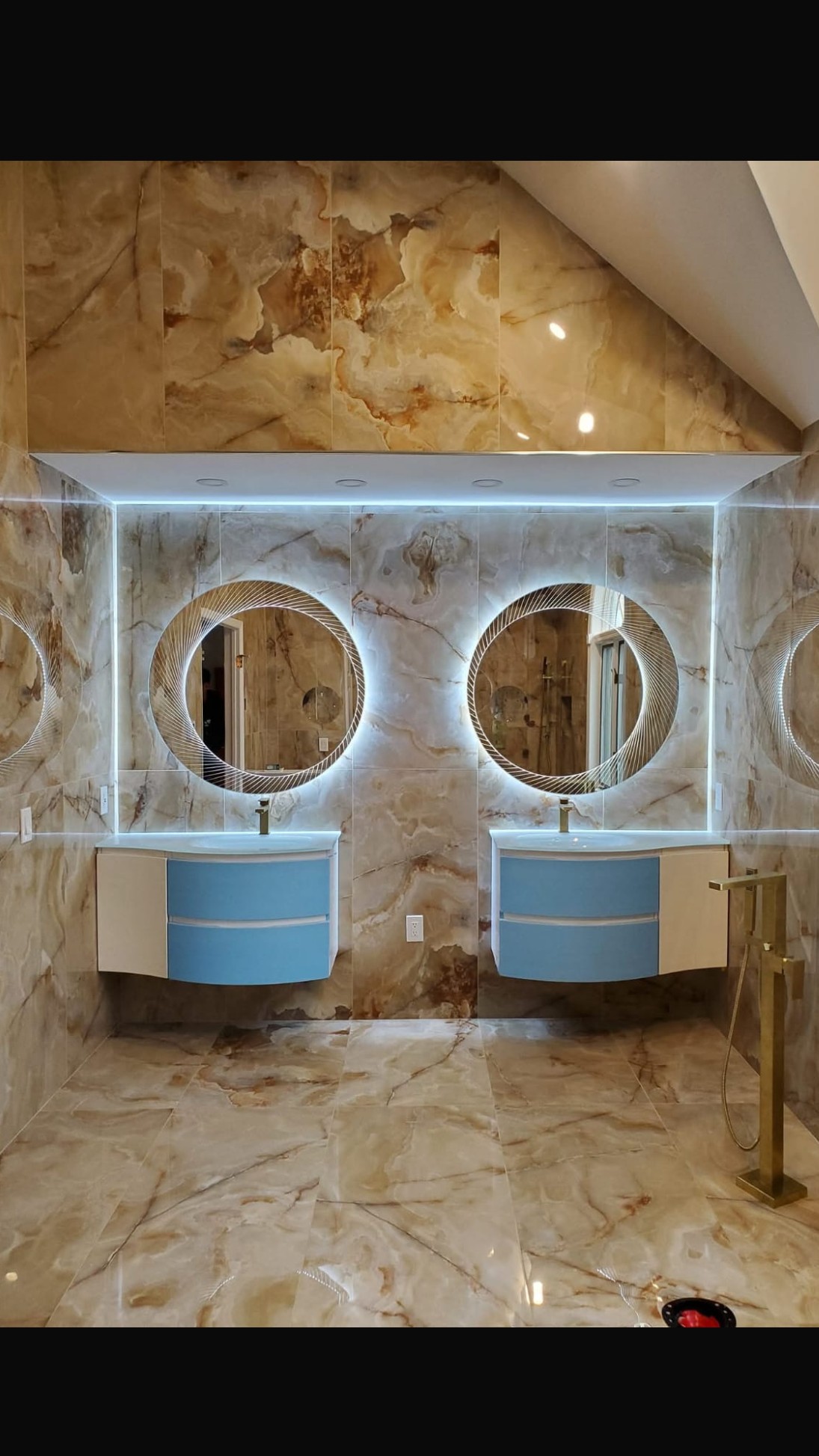
A single tiling mistake can cost thousands to fix and turn your bathroom dream into a months-long nightmare. Working with experienced professionals helps you avoid these expensive problems from the start. Here's what goes wrong most often and how you can prevent these costly errors, says New Jersey-based expert from Allstar Tile-Setter.
Most tile failures happen because water exposure makes small errors much worse over time. Moisture seeps through improperly sealed joints and damages everything underneath without you noticing until major problems appear. These mistakes cost more to fix later than preventing them during installation.
The surface underneath your tiles determines whether your installation lasts decades or fails within months. When tiles go over dirty, uneven, or unstable surfaces, they simply won't stick properly no matter how carefully you lay them. Grease, old paint, and moisture block the adhesive from creating the strong bond your tiles need.
Even worse, bumps and dips in your surface create stress points where tiles crack under normal bathroom use. Wooden subfloors flex with humidity changes, which makes them terrible bases for tile without reinforcement. That's where cement backer board comes in—it creates a stable foundation that won't shift when moisture levels change throughout the year.
Without this crucial step, you're setting yourself up for cracked tiles and loose grout within the first year. The substrate matters more than the tile itself because no amount of expensive materials can overcome a weak foundation. Getting this right from the beginning saves you from tearing everything out and starting over.
Stores sell plenty of tiles that look perfect but perform terribly in wet environments. Porous tiles soak up water like sponges, which leads to mold, stains, and structural damage faster than you'd expect. Beyond the material itself, finish matters tremendously because polished tiles become dangerously slippery when bathroom floors get wet.
Grout selection presents another hidden challenge that catches many homeowners off guard. Some types absorb moisture and grow mold in damp conditions, while others resist water and stay clean with basic maintenance. Making choices based only on appearance without considering performance guarantees you'll face replacements much sooner than necessary.
The right materials cost slightly more upfront but save thousands in repairs down the line. Testing how tiles and grout perform in moisture helps you avoid products that look great in the showroom but fail in real bathroom conditions.
Starting your tile work from the wrong spot creates awkward cuts that make even quality materials look unprofessional. Beginning from the most visible area and working outward puts full tiles where people notice them first. Meanwhile, any necessary cuts hide in less obvious corners where they don't catch the eye.
Dry-laying your tiles before applying adhesive reveals layout problems while you can still fix them easily. Once adhesive goes down, discovering spacing issues or pattern misalignments means wasting materials and redoing hours of work. A few extra minutes of planning prevents these expensive mistakes.
Several layout errors plague bathroom tile projects more than others:
Thinset adhesive needs just the right amount to hold tiles securely without creating uneven surfaces. Too much causes tiles to sit at different heights, while too little prevents proper bonding. Spreading adhesive faster than you can set tiles causes it to skin over and lose its holding power completely.
The notched trowel you choose controls how much adhesive transfers to each tile. Using the wrong size creates weak spots that lead to failures you won't discover until tiles start popping loose. Additionally, grouting before the adhesive fully cures shifts tiles out of position and creates surfaces that never look quite right.
Timing matters just as much as technique when working with these materials. Waiting too long to clean excess grout makes removal harder and can permanently damage your tile finish. On the other hand, rushing to grout before the adhesive sets properly undermines all your careful layout work in minutes.
Water-resistant tiles alone don't provide enough protection because moisture finds every weak spot in your installation. Installing tiles directly against drywall in shower areas invites water damage that eventually requires complete demolition and reinstallation. Waterproofing membranes create barriers that stop moisture from reaching structural elements, even when water gets through grout lines.
Corners, edges, and joints where tiles meet fixtures need special attention during waterproofing. These spots seem minor, but allow enough moisture through to rot wood and damage drywall behind your beautiful tile work. Over time, hidden water damage affects both your health and home value in ways that aren't obvious until problems become severe.
Proper waterproofing costs a fraction of what water damage repairs run, making it one of the smartest investments in any bathroom project. Cutting corners here saves a few dollars today, but costs thousands when moisture problems force you to tear out and replace everything.
Each layer in tile installation needs a proper cure time before moving to the next step. Walking on fresh floor tiles or grouting too early shifts everything out of position and ruins careful layout work. Package directions provide general guidelines, but temperature and humidity affect actual drying times in your specific conditions.
Rushing through installation to finish faster creates sloppy grout lines, uneven spacing, and tiles that don't seat properly in the adhesive. These problems become obvious once everything is cured, but fixing them requires redoing substantial amounts of work. Taking time to do each step correctly the first time actually gets you to a finished bathroom faster than rushing and making mistakes.
Professional installers understand how environmental conditions affect material performance. They adjust their timeline based on what's actually happening in your space rather than blindly following product labels. This experience prevents the setbacks that plague rushed DIY projects and inexperienced contractors.
Understanding what makes bathroom installations successful helps you recognize quality and avoid problems that cost thousands later. Every decision affects longevity and performance for years to come. Knowledge empowers better choices, whether you tackle projects yourself or hire professionals to handle the work.
Quality tile work separates itself from amateur attempts within months when problems start appearing. Because they've handled every common challenge hundreds of times before, experienced tile professionals know which products perform best in bathroom conditions. Their refined techniques prevent mistakes that homeowners and inexperienced contractors make regularly.
Beyond just avoiding problems, professionals complete work faster while achieving superior results. They understand building codes and waterproofing requirements that protect installations for decades instead of years. Layout planning expertise prevents awkward cuts and creates balanced patterns that make even small bathrooms feel larger and more elegant.
Working with qualified specialists also provides warranties that protect your investment. Rather than hoping your DIY work holds up, you get guarantees that the installation will perform as expected in your home's conditions.


