Is commercial cleaning worth the cost? Learn current commercial cleaning costs and why the return on investment often exceeds the expense.
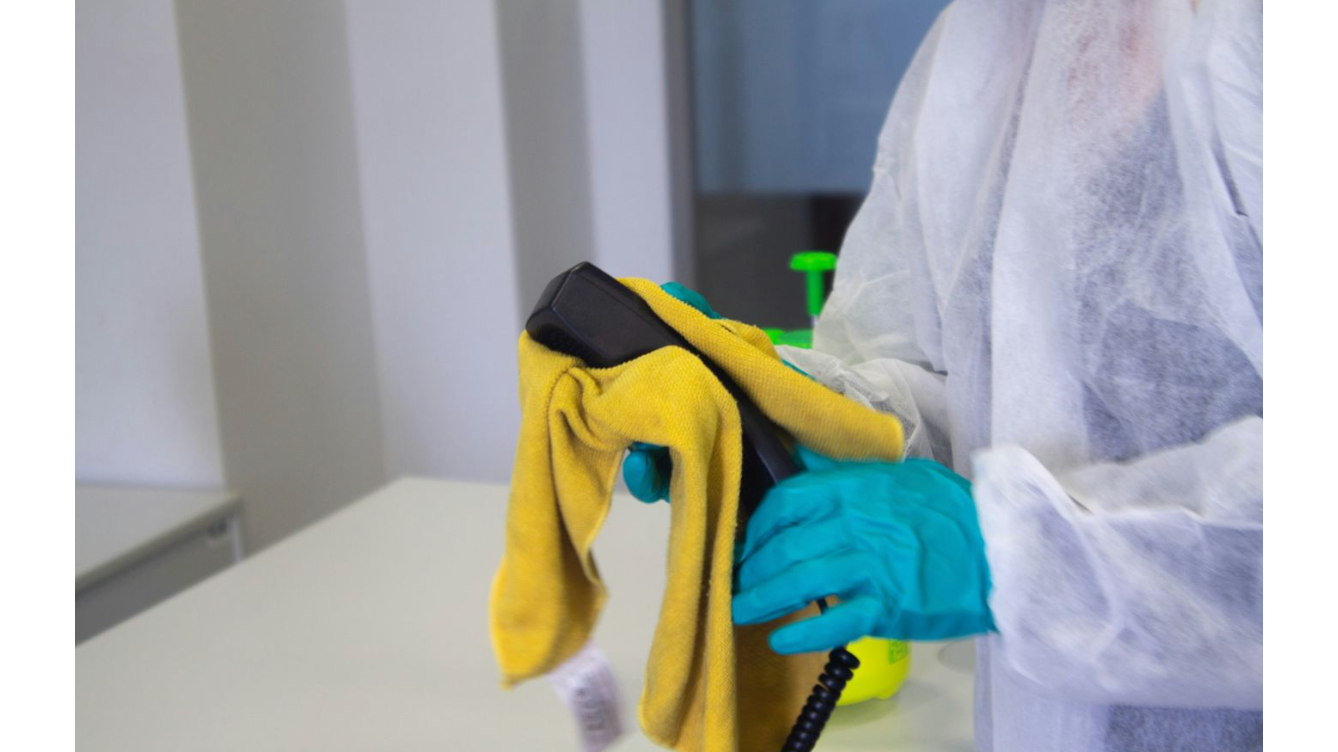
When you're managing a business budget, cleaning services can feel like just another line item to minimize. It's easy to view commercial cleaning as a pure expense, something to trim when money gets tight. But that perspective misses the bigger picture. A clean workplace doesn't just look better; it directly impacts your bottom line in ways that you may not even be aware of.
So, the question is not just how much commercial cleaning costs, but how much a dirty or poorly maintained workplace costs you in lost productivity, sick days, damaged assets, and missed opportunities. When you run the numbers, professional cleaning often pays for itself many times over.
Commercial cleaning prices vary based on several factors, so there's no single answer that fits every business. The main variables include your office's square footage, how frequently you want cleaning done, the scope of services required, and your geographic location.
Most cleaning companies use one of three pricing models. Per-square-foot pricing is common for larger spaces, with rates typically ranging from $0.05 to $0.25 per square foot depending on the complexity of the job. Hourly rates generally fall between $25 and $50 per hour per cleaner. Flat-rate monthly contracts are popular for businesses that want predictable costs and consistent service.
For a small office of around 2,000 square feet, you might pay anywhere from $200 to $600 per month for regular cleaning. Medium-sized offices between 5,000 and 10,000 square feet often see monthly costs in the $500 to $1,500 range. Larger facilities naturally cost more, but per-square-foot rates often decrease as size increases.
Standard services typically include vacuuming, mopping, dusting, trash removal, and restroom cleaning. Deep cleaning, carpet shampooing, window washing, and specialized sanitation may cost extra. When comparing quotes, make sure you understand exactly what's included.
Before deciding that cleaning costs too much, consider what you're already paying for a subpar environment, even if those costs don't show up on an invoice.
Employee health suffers in dirty workplaces. Dust, allergens, and germs accumulate on surfaces, in carpets, and in the air. Shared spaces like kitchens, restrooms, and conference rooms become breeding grounds for illness. When employees get sick, you pay for it in sick days, reduced output, and the ripple effects of absent team members.
Productivity drops in cluttered, dusty, or unpleasant environments. It's harder to focus when your surroundings feel neglected. Employees may not consciously notice, but the effects are real.
Your physical assets deteriorate faster without proper care. Carpets wear out sooner when dirt grinds into the fibers. Furniture stains and fades. Equipment collects dust that affects performance and lifespan. These are costs you'll eventually pay, just not on a predictable schedule.
And then there's the thing about managing perception. Clients, customers, and job candidates form impressions the moment they walk through your door. A grimy office sends a message about how you run your business, and it's rarely the message you want to send.
The connection between a clean environment and employee performance is well-documented. When people work in tidy, well-maintained spaces, they think more clearly, stay more focused, and feel more motivated.
University of Arizona research has shown that employees working in clean environments can experience up to a 15% boost in productivity. That's not a marginal gain, it's significant. For a team of ten employees, a 15% productivity increase is like adding the output of one and a half additional workers without hiring anyone.
The reasons are both psychological and practical. Clutter creates mental distraction. Dust and odors cause physical discomfort. Dirty restrooms and kitchens signal that the employer doesn't care about the workspace, or by extension, the people in it. A clean office, by contrast, communicates professionalism and respect. Employees respond accordingly.
Offices are hotspots for germ transmission. Keyboards, phones, door handles, shared equipment, these surfaces collect bacteria and viruses that spread quickly in enclosed spaces. When one person gets sick, others often follow.
Regular professional cleaning can dramatically reduce this risk. High-touch surfaces get disinfected. Restrooms stay sanitary. Air quality improves when dust and allergens are removed. The result? Fewer sick days across your workforce
Studies have shown that proper cleaning protocols can lead to a 46% reduction in absenteeism. Think about what that means for your business. If your team collectively takes 100 sick days per year, cutting that nearly in half translates to dozens of additional productive workdays, without changing anything about your benefits, policies, or workload.
Every sick day costs you in lost productivity, potential overtime for others covering the work, and the general disruption that absence causes. Reducing absenteeism by even a fraction delivers real savings.
Your office represents a significant investment, including furniture, flooring, fixtures, and equipment, all of which cost money to purchase and replace. Proper cleaning extends the life of these assets considerably.
Carpets are a prime example. Professional vacuuming removes the grit that grinds into fibers and causes premature wear. Periodic deep cleaning extracts embedded dirt and stains that regular maintenance can't reach. A well-maintained carpet can last years longer than a neglected one, delaying an expensive replacement.
The same principle applies to upholstery, hard flooring, window treatments, and even electronics. Dust buildup forces HVAC systems to work harder, increasing energy costs and accelerating wear. Dirty air vents circulate particles that settle on equipment and affect performance.
These costs are easy to ignore because they accumulate gradually. But over time, neglected maintenance adds up to thousands of dollars in avoidable repairs and replacements.
Every visitor to your office forms an impression within seconds of walking in. A clean, fresh-smelling space signals competence and attention to detail. A dusty, cluttered, or odorous environment suggests the opposite.
For client-facing businesses, this matters enormously. You might offer the best product or service in your industry, but if your office feels neglected, potential clients may wonder what else you're cutting corners on. First impressions shape trust, and trust shapes buying decisions.
The same applies to recruiting. Top talent has options, and candidates notice the condition of your workspace during interviews. A clean, professional environment helps you attract and retain the best people.
Some businesses try to save money by handling cleaning in-house, assigning it to employees, or hiring a part-time cleaner. This approach often backfires.
When employees clean, you're paying their wages for work that pulls them away from their actual jobs. An hour spent emptying trash cans and wiping counters is an hour not spent on revenue-generating activities. The opportunity cost can add up quickly.
In-house cleaning also tends to be inconsistent. Without professional training, equipment, and accountability, results vary. Deep cleaning gets skipped. Problem areas get overlooked. Over time, the quality gap becomes visible.
Professional cleaning services bring expertise, commercial-grade equipment, and reliable scheduling. They know how to clean efficiently and thoroughly. For most businesses, the value far exceeds the cost.
When evaluating commercial cleaning, don't just look at the monthly invoice. Consider the full picture.
Start with the productivity gain. If clean offices boost productivity by even 10-15%, calculate what that's worth based on your payroll. For most businesses, this alone justifies the cleaning expense.
Add the savings from reduced absenteeism. Fewer sick days mean more work getting done and less disruption to your operations.
Factor in asset preservation. How much would it cost to replace your carpets, furniture, or equipment a few years earlier than necessary?
Consider the value of client perception. Even one lost deal due to a poor first impression can dwarf years of cleaning costs.
When you add it all up, professional cleaning often delivers a return many times greater than the investment.
Commercial cleaning isn't just about appearances, though appearances certainly matter. It's about creating an environment where your employees stay healthier, work more effectively, and feel valued. It's about protecting the physical assets you've invested in and presenting your business in the best possible light.
The cheapest cleaning option isn't always the most cost-effective. When you account for productivity, absenteeism, asset longevity, and client perception, quality cleaning services often save far more than they cost.


