Finnish research reveals that using saunas just 4+ times weekly can slash respiratory disease risk by 41%, but the real breakthrough happens when heat therapy is combined with cold plunges—here’s what 11 minutes of weekly cold exposure can do for one’s health.
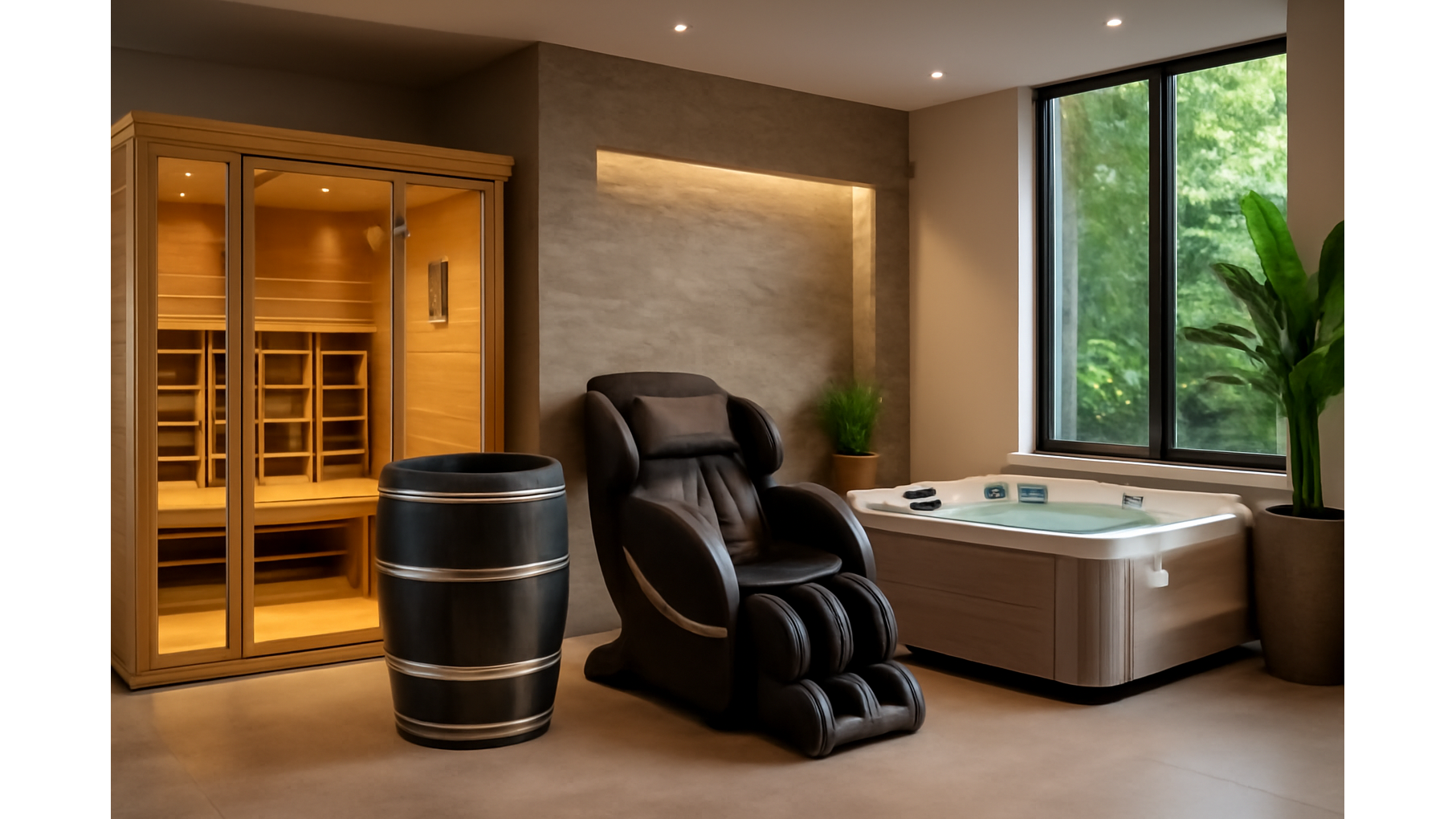
The wellness industry is undergoing a remarkable shift as home-based thermal therapies evolve from luxury amenities into scientifically validated health tools. Research shows that frequent sauna use—four to seven times per week—can reduce the risk of cardiovascular disease and is linked to a 66% lower risk of dementia. Once reserved for high-end spas and Nordic traditions, these therapies are now becoming integral to how people approach daily recovery, performance, and long-term wellbeing
The surge in home wellness adoption stems from mounting scientific evidence supporting thermal therapy's physiological benefits. Research institutions worldwide have documented measurable improvements in cardiovascular health, immune function, and mental well-being through controlled heat and cold exposure. This evidence-based foundation has elevated these practices from wellness trends to legitimate therapeutic interventions.
The accessibility of home systems has democratized these powerful health tools, allowing individuals to implement consistent therapeutic routines without the logistical barriers of commercial facilities. Modern technology has refined these systems to deliver precise temperature control, enhanced safety features, and user-friendly operation that make regular practice sustainable for busy lifestyles.
Leading wellness companies like Collective Relaxation have recognized this shift toward evidence-based home wellness, offering specialized solutions that integrate multiple thermal therapy modalities for maximum therapeutic impact.
Research conducted on over 2,300 Finnish men demonstrates that regular sauna bathing produces cardiovascular benefits comparable to moderate exercise. The heat exposure triggers controlled physiological stress that strengthens the cardiovascular system through hormetic adaptation. Blood vessels dilate significantly during sauna sessions, reducing arterial stiffness and improving overall circulation patterns.
The cardiovascular improvements extend beyond acute responses. Long-term studies reveal that individuals using saunas 4-7 times weekly experience substantial reductions in sudden cardiac death risk compared to once-weekly users. This protection appears linked to the cardiovascular "training" effect of repeated heat exposure, which conditions the heart and blood vessels to function more efficiently under stress.
Longitudinal research involving thousands of middle-aged Finnish men has uncovered significant respiratory health benefits from regular sauna use. Men participating in sauna sessions 2-3 times weekly showed a 27% reduction in respiratory disease risk, while those using saunas 4+ times weekly achieved a remarkable 41% risk reduction.
The respiratory benefits likely stem from sauna therapy's anti-inflammatory effects and immune system strengthening. Heat exposure may reduce airway inflammation while supporting immune function through enhanced circulation and stress hormone optimization. These mechanisms create a protective environment that helps the respiratory system resist disease and recover more effectively from challenges.
Perhaps most intriguingly, sauna research has revealed significant neuroprotective effects. A 20-year study found that men taking 2-3 weekly sauna sessions had 21% lower dementia risk and 20% lower Alzheimer's disease risk compared to once-weekly users. The protection increased dramatically with frequency—those using saunas 4-7 times weekly showed 66% lower dementia risk and 65% lower Alzheimer's risk.
The brain benefits may result from improved cardiovascular health, reduced systemic inflammation, and enhanced stress resilience. Heat shock proteins activated during sauna sessions help protect neurons from damage, while improved circulation delivers essential nutrients and removes metabolic waste from brain tissues.
Cold water immersion creates powerful anti-inflammatory effects through controlled vasoconstriction. When exposed to cold water temperatures, blood vessels constrict rapidly, reducing swelling in overworked muscles and joints. This vascular response effectively "squeezes out" inflammatory substances while limiting further tissue damage.
The recovery benefits extend beyond immediate inflammation control. Cold exposure stimulates the lymphatic system, accelerating the removal of metabolic waste products that accumulate during intense physical activity. Athletes incorporating regular cold plunging report significantly reduced delayed onset muscle soreness (DOMS) and faster return to peak performance between training sessions.
Cold water immersion triggers measurable immune system adaptations that may enhance the body's disease-fighting capacity. Research shows that regular cold exposure can potentially increase white blood cell counts and activate metabolic processes that strengthen immune surveillance. These changes may help the body detect and eliminate threats more effectively, though more research is needed to fully understand the long-term effects.
The immune benefits appear linked to controlled stress response activation. Cold exposure stimulates the sympathetic nervous system and triggers beneficial hormonal cascades that "train" immune cells to respond more efficiently to actual threats. This immune conditioning effect builds resilience against both acute infections and chronic inflammatory conditions.
Groundbreaking research by Dr. Susanna Søberg has established minimum effective doses for cold therapy benefits. Her studies demonstrate that just 11 minutes of weekly cold exposure—divided across multiple sessions—can produce significant physiological adaptations, including improved cellular resilience and reduced systemic inflammation.
Dr. Søberg's work reveals that cold exposure for seven consecutive days significantly improves cellular autophagic function, helping cells manage stress more effectively and potentially slowing aging at the cellular level. This research has practical implications for home cold therapy protocols, showing that consistent short exposures are more beneficial than occasional long sessions.
The alternating expansion and contraction of blood vessels during contrast therapy creates a powerful "pumping" mechanism that enhances circulation beyond what either hot or cold therapy achieves alone. This vascular gymnastics improves oxygen delivery to tissues while accelerating the removal of metabolic waste products.
The circulatory benefits of contrast therapy extend to lymphatic function, which plays a crucial role in immune system operation and toxin removal. The alternating pressure changes help move lymphatic fluid more effectively throughout the body, supporting both recovery and general health maintenance.
Contrast therapy triggers beneficial cellular stress responses that enhance resilience and potentially slow aging processes. The alternating thermal stress activates heat shock proteins and other protective mechanisms that help cells withstand damage from oxidative stress and inflammation. These adaptations contribute to improved cellular function and longevity.
The anti-aging effects also involve enhanced autophagy—the cellular "housekeeping" process that removes damaged components and regenerates healthy structures. Studies show that thermal stress from contrast therapy can significantly improve autophagic function, helping maintain cellular health and potentially extending healthspan.
The integration of wellness equipment with smart home technology represents a major advancement in making thermal therapies more accessible and effective. Modern systems include air and water quality monitoring, automated temperature control, and smartphone connectivity that allows users to optimize their wellness routines based on real-time data.
Advanced monitoring systems track usage patterns and physiological responses, helping users develop personalized protocols that maximize benefits while ensuring safety. Some systems even provide guided sessions and progress tracking that gamify the wellness experience, encouraging consistent use and long-term adherence to therapeutic routines.
Biophilic design principles are transforming home wellness spaces by incorporating natural elements that enhance the therapeutic experience. This approach includes natural lighting, organic textures, living plants, and stone features that create environments that feel more like natural healing retreats than clinical treatment facilities.
The psychological benefits of biophilic design complement the physiological effects of thermal therapy. Natural elements help activate the parasympathetic nervous system, deepening relaxation and enhancing the stress-relief benefits of sauna and cold plunge sessions. This holistic approach addresses both physical and mental aspects of wellness.
Current design approaches are creating flexible wellness spaces that serve multiple functions while maintaining therapeutic effectiveness. These multipurpose areas can transform from meditation spaces to workout areas to thermal therapy zones, maximizing utility in homes with limited space.
The key to successful multipurpose wellness design lies in thoughtful equipment selection and strategic layout planning. Modular components, space-efficient storage solutions, and adaptable lighting systems allow homeowners to create complete wellness experiences without dedicating entire rooms to single-purpose equipment.
The convergence of scientific evidence, technological advancement, and design innovation has created unprecedented opportunities for individuals to access professional-grade wellness therapies at home. As research continues to validate the health benefits of thermal therapies and technology makes them increasingly accessible, home wellness systems are positioned to become standard components of health-conscious living.


