Professional closet door installation can take just 2-4 hours with minimal mess. Skipping level checks, using the wrong fasteners, and forcing doors into tight openings create ongoing problems that proper installation prevents.
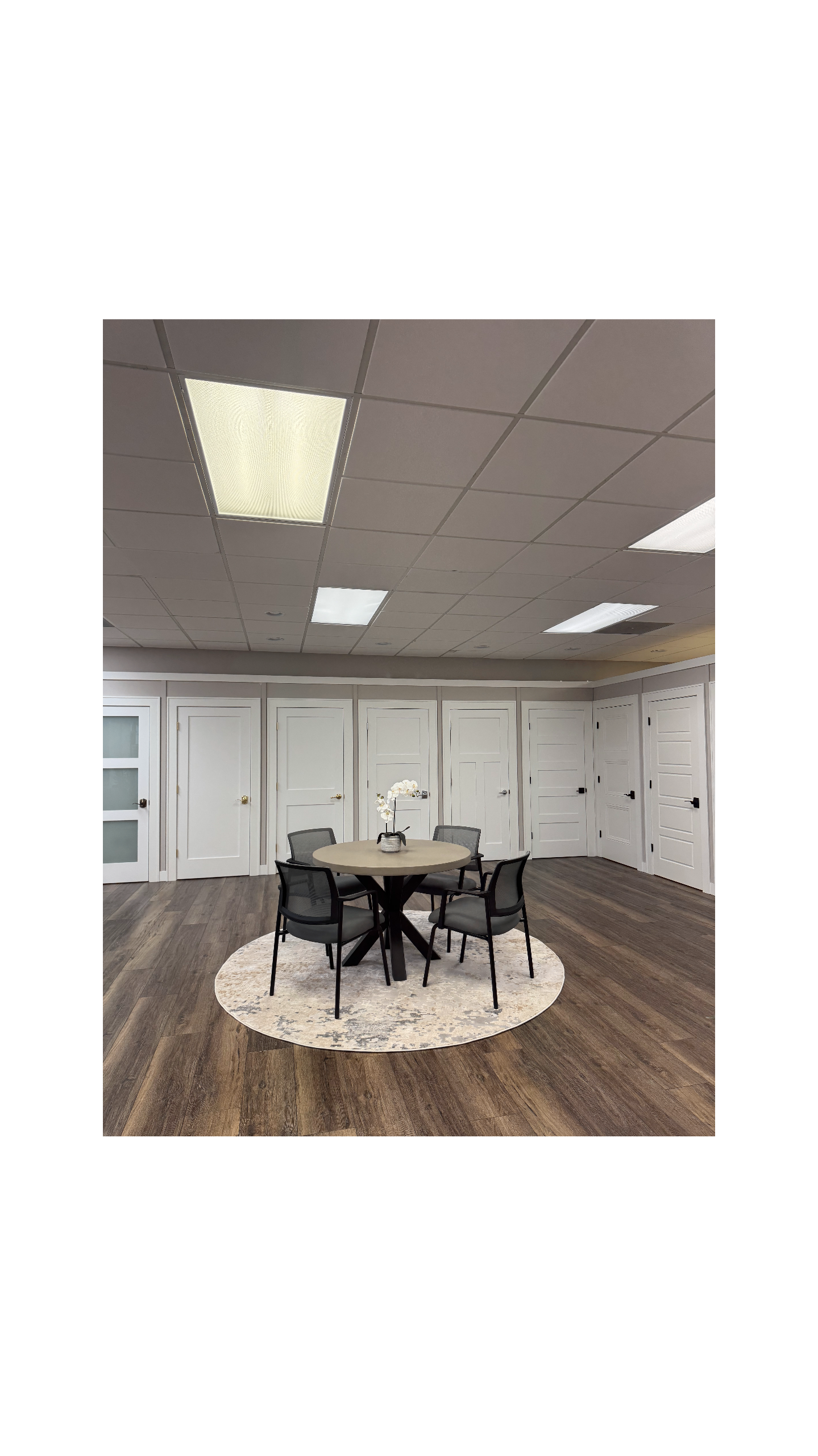
Homeowners put off replacing closet doors because they expect weeks of construction dust, complicated measurements, and bills that keep climbing with unexpected charges. Modern door installation services have streamlined the process significantly, making it faster and cleaner than most people realize, says Orlando-based expert from One Day Doors & Closets of Central Florida.
Many residents live with broken or outdated closet doors simply because they don't understand what professional installation actually involves. This guide breaks down the real process, preparation steps, modern options, and what makes installations succeed or fail.
Closet doors cover huge wall sections in bedrooms and hallways, yet people overlook them until something breaks completely or won't close anymore. The belief that installation requires major construction or expensive custom orders keeps families stuck with doors that slam or stick constantly.
Florida's humidity warps doors, swells wood, and corrodes hardware faster than in drier states, creating problems unique to our climate. Bifold doors stop folding smoothly, sliding doors jump their tracks during storms, and hinged doors rub against frames constantly.
Professional installers measure existing openings first to see which door systems work without modifying walls or trim, checking for level floors, too. These measurements take fifteen to twenty minutes and show whether the space needs any prep work before new doors arrive.
Removing old doors usually takes under an hour, with installers carefully taking off hardware and pulling frames without damaging surrounding drywall. Experienced teams know how to patch minor wall damage so areas look clean before installing new doors over them.
Modern door systems install faster than homeowners expect because manufacturers design them for efficiency rather than old, piece-by-piece assembly methods. Track systems attach to headers, doors drop into place and get adjusted, then everything gets tested for smooth operation.
These mount on visible hardware that becomes part of the design instead of hiding inside frames like traditional sliding systems do. Single panels work well for reach-in closets where you don't need the full opening accessible at once for grabbing items.
Floor-to-ceiling mirror doors expand bedroom spaces visually while eliminating the need for separate full-length mirrors, taking up floor space. Slim frame profiles look contemporary instead of chunky gold or brass frames that instantly date any room's appearance.
Frosted or textured glass in aluminum frames adds light to walk-in closets without requiring electrical work for new fixtures. The see-through factor works great for organized closets where contents actually enhance the room instead of needing to hide.
Updated bifolds don't resemble those hollow, flimsy versions from cheap builder homes, featuring solid cores and hardware that functions smoothly. Contemporary panel designs and reliable mechanisms mean these doors actually last years instead of breaking within months of installation.
Clear everything at least three feet away from closet openings so installers can work efficiently without moving furniture themselves. Items hanging on existing doors or stored on floors right in front need to be relocated temporarily for full access.
Wall decorations near closets should come down if they're within a few feet since drilling vibrations can shift or drop them. Florida homes with textured walls need extra care around work zones to prevent accidental damage to these special finishes.
Heavy-duty aluminum or steel tracks support door weight without bending or sagging after years of daily use and abuse. Cheap plastic components save money initially, but create frustration when doors drag or catch within the first year of use.
Hardware placement needs precision so doors hang level and operate properly without needing constant adjustments or repairs down the road. Rushed installation creates doors that look crooked, don't close flush, or develop gaps that let light through inappropriately.
Floor guides for sliding doors need proper positioning to prevent bottoms from swinging during operation while still allowing free movement. Getting this balance right takes experience that separates professional work from amateur attempts that cause ongoing problems.
Skipping level checks during installation means doors swing open alone or won't stay closed without latching, which gets annoying quickly. Florida homes settle and shift more than houses elsewhere due to sandy soil, making level checks critically important here.
Wrong fasteners for your wall type create weak mounting points that eventually fail when the door's weight pulls the hardware loose. Drywall anchors work for lightweight decorations, but don't provide the holding power needed for hardware experiencing constant opening and closing.
Forcing doors into slightly small openings causes binding, difficult operation, and premature wear on doors and hardware components. Professional installers know when openings need minor adjustments versus when different door sizes or styles make more sense.
Standard reach-in closets with sliding doors typically take two to four hours from start to finish, including removal and testing. Walk-in installations with multiple panels might extend to a full day, depending on complexity and opening size involved.
These timelines assume doors arrive ready to install without requiring additional cutting or modification on site after delivery. Wrong measurements add significant time as installers troubleshoot problems or wait for replacement parts to ship and arrive.
Soft-close mechanisms prevent slamming when someone closes doors quickly or when air pressure changes create suction that pulls them. These systems add minimal cost during installation but deliver daily benefits worth the small upgrade price for any household.
Upgraded rollers with sealed bearings handle humidity without corroding or seizing like cheaper alternatives that fail quickly in moisture. The difference shows in how smoothly doors operate after several years instead of needing replacement parts or constant lubrication.
Touch-latch hardware eliminates visible handles on modern designs while providing secure closure without traditional knobs or pulls interrupting aesthetics. These systems work particularly well on mirrored or glass doors where hardware would create visual clutter or interrupt surfaces.
The first few days involve testing doors under different conditions to ensure smooth operation as you develop new habits. Sliding doors feel different from the bifolds you've used for years, and barn doors need slight pulls before gliding.
Minor adjustments sometimes become necessary within the first week as doors settle and you notice small rubbing or gaps. Reputable installers return quickly to make these tweaks without charging extra fees since they consider it a standard follow-up.
Long-term maintenance for modern systems requires minimal effort compared to older doors needing regular lubrication, track cleaning, and tightening. Wiping down glass surfaces and occasionally vacuuming floor tracks keep most systems functioning properly for years without service.
Experience with Florida challenges matters when selecting companies since humidity, settling, and codes differ from other regions, affecting performance. Installers, understanding how materials react to climate, recommend appropriate products and methods instead of using identical approaches everywhere.
Clear communication about timing, costs, and what gets included prevents surprises when work finishes and final bills arrive. Some companies quote doors separately from labor, while others provide all-inclusive pricing covering materials, labor, disposal, and repairs.
Portfolio examples showing completed local projects give realistic expectations about how styles will look in your actual space. Seeing real installations in nearby homes reveals how products perform in actual conditions rather than ideal showroom environments.
Your lifestyle and how you actually use closets should drive selection more than trending styles that photograph well. Families with young children might prioritize durability over delicate glass, while couples want natural light that solid doors block.
Budget considerations extend beyond initial costs to include maintenance, energy efficiency, and effects on home resale value down the road. Cheap doors installed perfectly still underperform quality doors with average installation, making material selection equally important as finding installers.
Professional consultation clarifies which options work best for your specific situation rather than guessing based on general internet research. Experienced specialists assess spaces, discuss preferences and concerns, then recommend solutions based on actual installation experience rather than theory alone.
Modern closet door installation transforms spaces quickly when you understand the process, prepare properly, and work with experienced professionals who handle challenges. Quality materials, proper installation, and smart style choices create smooth, attractive closet access that improves daily life for years.


