Choosing the right virtual events platform is now a high-stakes decision for associations with continuing education (CE) programs seeking to keep members engaged. In this piece, experts take a look at a number of priorities leaders must consider before they select a supplier or software.
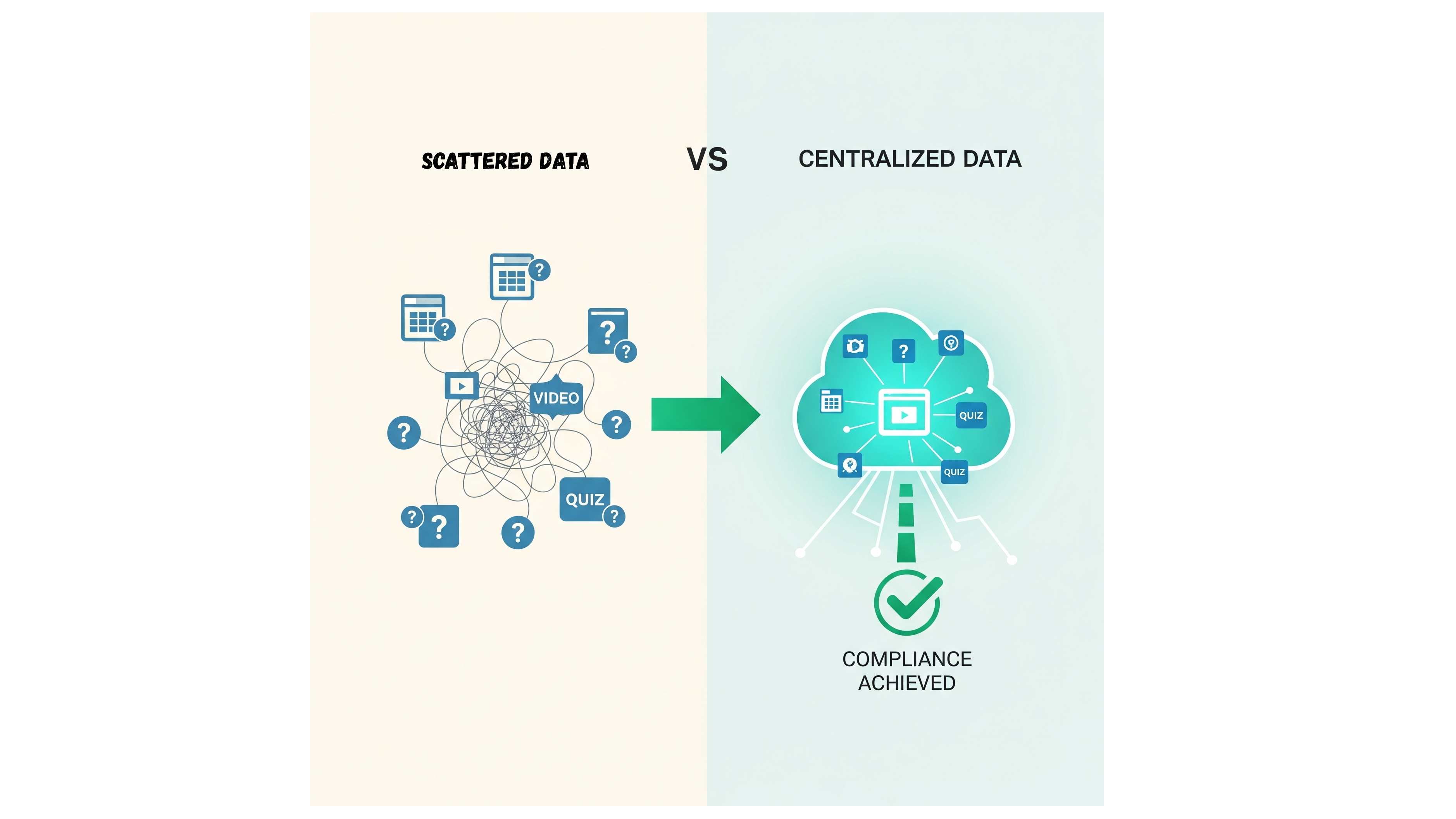
For professional associations, the choice of a virtual events platform has become more than a technical decision; it is a strategic one, as CE obligations are tied directly to compliance, career advancement, and the long-term value members derive from their association.
A poor platform fit can lead to disengaged participants, wasted resources, and reputational harm, whereas the right platform can act as a catalyst for stronger loyalty, new revenue streams, and far more efficient operations.
The difficulty lies in the fact that the market is saturated with competing providers, many of which make sweeping promises that do not withstand scrutiny. Association leaders therefore face the challenge of separating marketing claims from measurable outcomes, and to do so effectively, they must evaluate potential platforms against a set of clear priorities.
One virtual events solutions provider shares five considerations that leaders should factor in:
Platforms that automate participation records, quiz grading, and certificate issuance not only reduce administrative overhead but also improve compliance with professional standards. Since associations must often scale programs across multiple events and member groups, the ability to automate these processes consistently can be a decisive advantage.
Unclear pricing structures are a frequent source of frustration, as hidden fees for registrations, certificates, or interactive features can undermine budgets mid-cycle. A platform with transparent, tiered pricing enables associations to plan with confidence and allocate resources more effectively. This financial clarity, in turn, allows leaders to focus attention where it belongs—on delivering value—rather than on untangling unexpected costs.
Member engagement remains central to the success of CE programs, yet not all platforms provide tools that genuinely foster interaction. While some rely on basic chat functions, others offer a wider spectrum—polls, breakout rooms, networking lounges, and gamification—that can dramatically enhance participation. Crucially, these tools should be scalable, ensuring that an association can transition from smaller workshops to larger conferences without losing the richness of interaction.
Because most associations already depend on a combination of association management systems, learning management systems, and financial software, a platform that does not integrate smoothly risks creating costly inefficiencies. Seamless integration helps avoid data silos and ensures that member records, CE credits, and financial reporting align.
Even the most advanced features lose their value if staff cannot deploy them effectively. Associations should therefore weigh the quality of support offered, from onboarding assistance to real-time troubleshooting during live events. Access to managed services or strategic consultation can further reduce the likelihood of last-minute crises, providing the assurance that high-stakes events will run without disruption.
No single platform will meet every association’s needs in the same way, yet due diligence can reveal which ones align most closely with organizational priorities. Leaders who probe beyond surface-level marketing and instead assess automation, transparency, engagement, integration, and support will be better positioned to make decisions that stand the test of time.
To aid in this process, the group that shared the above considerations also offers an objective comparison of leading virtual event platforms, outlining their strengths and limitations. For associations committed to enhancing CE delivery, it represents a useful starting point for evaluating technology with both clarity and confidence.


