Australian wineries spend 50-70% of their electricity budget on refrigeration alone, making solar power an attractive option. But choosing between rooftop panels and large-scale grid systems isn’t straightforward—and the wrong choice could cost you thousands.
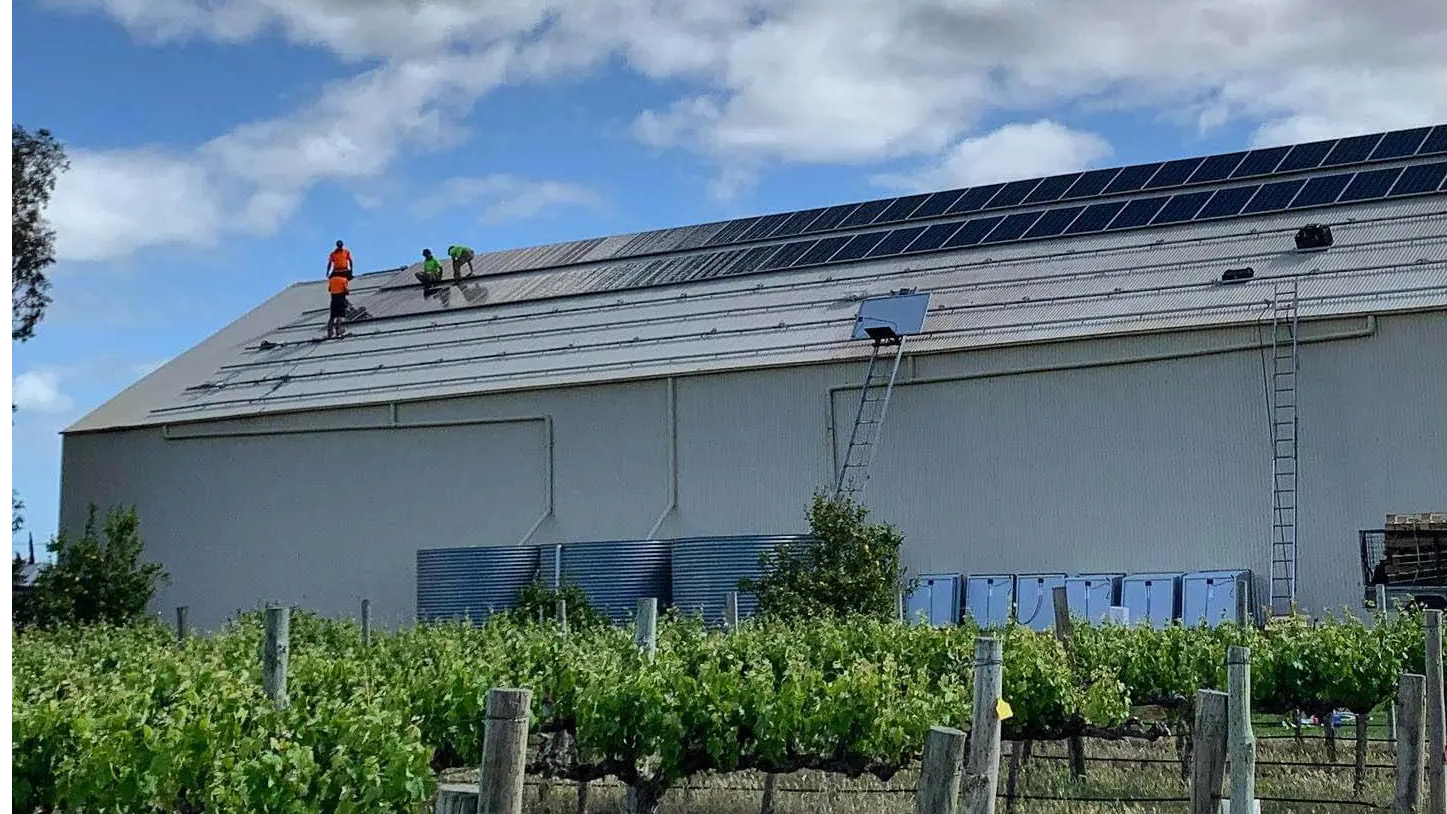
Australian wineries face mounting pressure to reduce operational costs while maintaining premium quality standards. Solar power presents a compelling solution, but choosing between centralised and distributed systems requires careful consideration of operational needs, site conditions, and long-term goals.
The financial impact of solar power on winery operations proves substantial: implementation can cut operational costs dramatically while maintaining or improving production quality. This reduction stems from solar's ability to offset peak daytime electricity demands, particularly during harvest and processing seasons when energy consumption spikes.
Australia's abundant sunshine hours create ideal conditions for solar adoption. Wineries benefit from reliable, consistent power generation that shields operations from volatile energy markets. The long-term cost efficiency extends beyond immediate savings, providing energy independence that stabilises operational budgets for decades. Energy specialists, P4B Solar, say that if Australian wineries make the correct system choice, they can ensure optimal system design for maximum cost benefits.
Distributed solar systems install photovoltaic equipment directly on winery buildings, maximising available roof space while minimising environmental impact. This approach transforms unused surfaces into productive energy assets, reducing large-scale land occupation requirements that might otherwise interfere with vineyard expansion.
The proximity of distributed power generation equipment to end-users creates remarkable adaptability. Systems respond reliably and rapidly to fluctuations in power demand, whether during intense harvest periods or quieter cellar door operations. This scalability accommodates everything from small boutique wineries to larger commercial operations, with modular designs that grow alongside business expansion.
Fewer grid transmission links significantly improve energy utilisation efficiency. Power generated on rooftops travels minimal distances to reach critical equipment like refrigeration units, fermentation tanks, and bottling lines. This proximity eliminates the energy losses inherent in long-distance transmission, ensuring maximum power reaches essential winery operations.
Environmental factors like light intensity and weather variations significantly impact distributed solar performance. The dispersed nature of equipment creates complex scheduling and management requirements. Seasonal variations in cloud cover, dust accumulation on panels, and temperature fluctuations can affect stability and power generation capacity, requiring careful monitoring and maintenance protocols.
Centralised photovoltaic power plants serve regional power needs through massive installations built in areas with abundant light resources. These systems offer scalability, high capacity, and consistent performance that accommodates broader power demands beyond individual winery operations.
Large-scale installations generate substantial power volumes suitable for energy-intensive winery operations. Centralised systems excel at supporting multiple facilities simultaneously, making them ideal for winery groups or regions with clustered operations. The economies of scale reduce per-watt costs for substantial energy requirements, particularly beneficial for operations running continuous refrigeration and processing equipment.
Centralised photovoltaic plants utilise solar radiation and electricity load characteristics to provide peak cutting functions. This capability helps stabilise regional power grids during high-demand periods, particularly valuable during harvest seasons when multiple wineries simultaneously increase energy consumption. The grid support functions can be pre-set or dynamically controlled to improve overall system reliability.
Centralised plants require extensive transmission lines to deliver power from generation sites to end users. These long-distance connections become potential sources of grid interference, creating stability concerns that must be adequately addressed. The substantial capital investment required for infrastructure development, combined with lengthy construction periods, presents significant implementation challenges.
Refrigeration accounts for 50-70% of a winery's total electricity consumption, making it the primary driver of energy infrastructure decisions. Temperature control requirements span multiple areas: fermentation tank cooling, cold stabilisation processes, barrel room climate control, and finished product storage. Each application demands consistent, reliable power that directly impacts wine quality and production efficiency.
The cooling load varies dramatically throughout the year, peaking during harvest when grapes require rapid temperature reduction and fermentation heat must be continuously removed. Secondary peaks occur during hot summer months when ambient temperatures stress refrigeration systems. Understanding these consumption patterns helps determine whether distributed rooftop systems can handle peak loads or whether centralised power sources better serve high-demand periods.
International wineries demonstrate approaches to solar integration that extend benefits beyond simple energy generation. These pioneering installations showcase how thoughtful solar implementation improves both operational efficiency and wine quality.
La Svolta Srl winery employs agrivoltaic technology that generates clean energy while improving grape quality through strategic shading. Solar panels provide temperature moderation that creates optimal growing conditions, leading to more balanced sugar development and improved acidity levels in finished wines. This dual-purpose approach maximises land utilisation while addressing both energy and agricultural needs.
The Winesolar project utilises artificial intelligence to optimise solar panel positioning over vine rows. AI algorithms continuously adjust panel angles to balance energy generation with crop protection, simultaneously improving grape quality and reducing water consumption through strategic shading. This intelligent approach demonstrates how technology can improve both energy production and viticultural outcomes.
Selecting between centralised and distributed solar systems requires expert analysis of operational patterns, site conditions, and long-term goals. The decision impacts decades of energy costs, production efficiency, and environmental sustainability. Professional assessment considers factors like roof conditions, shading patterns, local grid stability, and regulatory requirements that affect system performance.
Implementation success depends on matching system architecture to specific winery needs. Distributed systems excel for operations with variable energy demands, complex roof configurations, or desires for maximum energy independence. Centralised systems better serve high-consumption operations requiring consistent, large-scale power generation with grid support capabilities.
Getting professional guidance on solar solutions that are specifically tailored to Australian winery operations is key to choosing the right customised energy systems that optimise both cost savings and operational efficiency.


