Australian jewellery specialists reveal the cleaning mistakes that cloud your stones permanently, storage secrets that prevent cracks, and daily habits that either preserve or destroy your ring’s signature rainbow shimmer for decades.
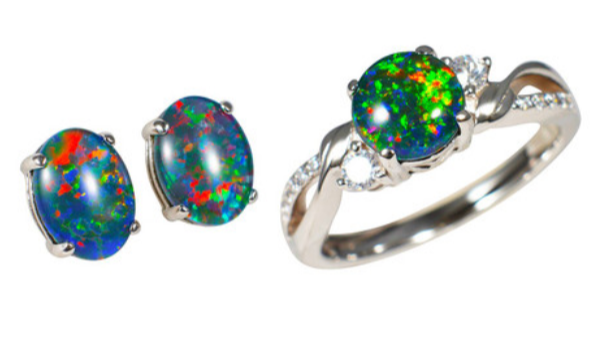
Most opal ring owners ruin their stones within the first month by treating them like diamonds or sapphires. Natural opals need completely different care than harder gemstones, and one wrong cleaning method can create permanent cloudiness or cracks, confirm expert Australian jewellers at Australian Opal Direct.
Here are the specific techniques that keep your opal rings brilliant for generations.
Opal sits at 6.5 on the Mohs hardness scale, which means it scratches as easily as regular glass does. Your opal ring needs more protection than ruby or diamond jewelry because it chips and scratches from daily wear. Australian opals contain 5 to 6 percent water trapped inside their silica structure, creating their famous color flashes. This water content makes opals vulnerable to cracking when exposed to sudden hot or cold temperatures that other stones handle easily.
Australian opals developed strength from forming in harsh outback conditions over millions of years. The stones handle normal daily wear perfectly fine, but extreme situations cause damage that ruins them permanently. Temperature changes make the water inside expand or contract too quickly, creating internal cracks that spread through the entire stone.
Three types of opal stones exist in jewellery, and each one requires different care to stay beautiful long term.
Solid opals consist of 100 percent natural material that's been cut and polished without any backing or treatment. Doublet opals feature thin natural opal slices glued to dark backing materials like black onyx to boost color intensity. Triplet opals add a clear quartz or glass layer over doublets to create a protective rounded dome shape.
The glue holding composite opals (doublet and triplet opals) together becomes the weak spot since water exposure dissolves adhesive and separates layers permanently. Solid opals handle water just fine because they're completely natural without artificial components that fail over time.
According to the Gemological Institute of America’s research, knowing your opal type determines which cleaning and storage methods work safely.
Warm soapy water remains the only completely safe cleaning method that works for every type of opal ring. Mix a few drops of mild dish soap into lukewarm water and gently wipe your ring with soft cloth. Hot water causes temperature shock that cracks stones, and ice-cold water creates the same dangerous rapid temperature change. Hard scrubbing damages the polished surface permanently, so gentle circular motions with soft toothbrushes work better for crevices.
Rinse your ring under lukewarm running water to remove all soap residue that can leave films on stones. Pat it completely dry with lint-free cloths rather than letting it air dry with water spots forming. Professional opal cutters recommend monthly cleaning to remove body oils and everyday grime that dull natural brilliance. Australian Opal Cutters specialists note that regular gentle maintenance prevents buildup that would require aggressive treatments later.
The products and techniques to avoid completely include:
Doublet and triplet opals need even gentler care since soaking them in water ruins the adhesive completely. International Gem Society research shows that wiping composite opals with barely damp cloths works better than submerging them. The glue weakens from repeated water contact, creating foggy or cloudy appearances that cannot be reversed or fixed.
Your opal ring needs separate storage away from harder gemstones that scratch its surface during accidental bumps or contact. Store opals in soft-lined jewelry boxes or wrap them in silk pouches to prevent scratches from metal clasps. Opals benefit from normal humidity levels, so extremely dry places like bank vaults can actually cause problems. Australian jewelry experts recommend placing small glasses of water inside cases if you live in very dry climates.
For storage lasting several months, wrap your ring in cotton wool dampened with water drops inside sealed bags. The moisture prevents water from leaving stones when stored in zero-humidity conditions like safes or deposit boxes. Regular wear provides all the ambient moisture your opal needs naturally without any special storage techniques required.
Remove your ring before household chores like washing dishes since hot water and cleaning chemicals dull stones quickly. Gardening creates serious scratch risks when rings contact rocks, tools, or rough soil that abrades opal surfaces. Physical activities including exercise, sports, or heavy lifting cause impact damage when rings strike hard surfaces during movement.
Apply perfumes, lotions, hairsprays, and cosmetics before putting on opal jewelry since these products contain damaging chemicals. Swimming pools have chlorine that damages opals, and ocean water combined with sand creates abrasive environments for rings. Professional jewelers suggest treating opal rings like expensive silk clothing by removing them before potentially damaging activities.
Opals crack when exposed to rapid temperature shifts because internal water expands or contracts too quickly for safety. Walking from air-conditioned buildings into scorching summer heat while wearing rings can cause thermal shock instantly. Winter weather creates identical risks when you move from heated indoor spaces into freezing outdoor temperatures within seconds.
Keep rings protected under clothing if you cannot avoid extreme temperature changes during travel or outdoor activities completely. Never leave opal jewelry in parked cars where temperatures swing dramatically from morning sun to afternoon heat. Opals Down Under experts warn that leaving rings near heating vents, fireplaces, or open windows exposes them unnecessarily.
Opal rings lose their glossy finish after years of wear from tiny scratches and scuff marks accumulating. Professional opal cutters repolish stones to restore original mirror-like shine and brilliant color play that makes them stunning. Check ring settings every twelve months with qualified jewelers to ensure prongs or bezels haven't loosened from wear.
Some damage to opal rings can be repaired by skilled professionals with years of specialized stone experience. Chipped edges might be recut into slightly smaller but still beautiful stones, though deep cracks usually stay permanent. Insurance coverage protects your investment against accidental damage or loss that no amount of careful handling prevents completely.
Natural opal rings reward gentle care with decades of beauty that makes them worthy family heirlooms to pass down. Your daily habits matter more than occasional deep cleaning since regular maintenance prevents buildup requiring aggressive treatments later. These expert methods mean your opal displays the same color flashes fifty years from now as today.
Professional guidance from opal jewellers who understand the gem’s unique properties makes all the difference in long-term stone health. Specialists who work with stones sourced from Australian opal fields offer personalised care tips for your specific ring type.


