Military medics possess unique skills that translate perfectly to special education teaching, but most veterans don’t realize this career path exists or how to make the transition successfully.
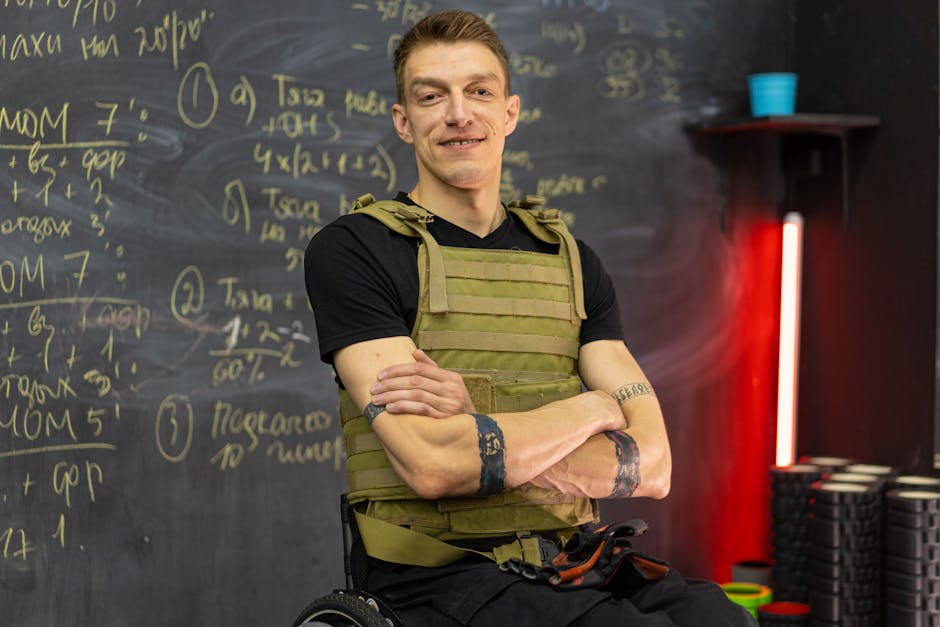
Nearly 200,000 service members transition to civilian careers each year, yet less than 3% enter the education field despite having skills that translate perfectly to teaching roles. The jump from treating wounded soldiers to teaching students with special needs might seem like a dramatic shift, but many veterans discover that their military experience provides an ideal foundation for this rewarding career path
Most veterans struggle with translating their military skills into civilian job descriptions. Employers often don't understand how a combat medic's experience applies to classroom management or how military leadership training prepares someone for working with students who have developmental disabilities.
The education field particularly benefits from veterans' unique skill sets, as military medics already understand how to remain calm under pressure, adapt quickly to changing situations, and work with individuals who may be experiencing trauma or stress. These abilities directly apply to special education environments where teachers must respond to behavioral challenges, medical emergencies, and diverse learning needs throughout each school day.
Combat medics develop patient assessment skills that transfer directly to identifying student needs in special education settings and learn to observe behavioral changes, recognize signs of distress, and respond appropriately to medical emergencies. These observation skills help teachers notice when students are struggling academically or emotionally, allowing for early intervention and support.
Military medical training also emphasizes documentation and clear communication with other healthcare professionals. Special education teachers must maintain detailed records of student progress, communicate with parents and therapists, and collaborate with multidisciplinary teams to develop individualized education plans.
Veterans understand how to work within structured systems while maintaining flexibility when situations change rapidly. Special education classrooms require this same balance between following established protocols and adapting instruction to meet individual student needs. Military leaders learn to motivate diverse groups of people, a skill that proves invaluable when working with students who have varying abilities and challenges.
Most states require special education teachers to hold a bachelor's degree in education or a related field, plus additional certification in special education. Many universities offer accelerated programs specifically designed for career changers, including veterans who already possess relevant experience and some programs even allow veterans to complete their student teaching requirements while working as classroom assistants, providing income during the transition period.
Alternative certification programs represent another pathway for veterans entering education, and often recognize prior learning and experience, allowing participants to begin teaching while completing their certification requirements. Several states have developed specific alternative certification tracks for military veterans that acknowledge their leadership and training experience.
Special education certification typically includes coursework in disability studies, behavior management, assessment techniques, and legal requirements for serving students with disabilities. Veterans often find the legal aspects familiar since military service requires understanding and following detailed regulations. The behavior management components align well with military training in de-escalation and crisis response.
Veterans should research available educational benefits before beginning their transition. The GI Bill often covers tuition and living expenses during degree completion, making career changes more financially feasible. Some states offer additional financial incentives for veterans entering education, including loan forgiveness programs and signing bonuses for special education teachers.
Planning for the income change from military to entry-level teaching positions requires careful budgeting, as unfortunately, teachers typically earn less than many military positions (at least initially), but the job security and benefits packages can provide long-term stability. Many veterans supplement their income by tutoring, coaching, or working summer programs while building their teaching experience.
Volunteering with organizations that serve individuals with disabilities provides valuable experience while networking with education professionals. Special Olympics programs, disability advocacy groups, and community centers often welcome veteran volunteers who bring leadership skills and reliability to their programs.
Substitute teaching offers another way to gain classroom experience while exploring different school environments and grade levels. This approach allows veterans to test their interest in special education before committing to a full-time position or degree program.
Many retired military medics who make this career change emphasize the importance of understanding that both roles involve serving others who may be experiencing trauma or challenges. Their military medical training prepares them to work with students who may have complex needs, while their leadership experience helps them manage classroom dynamics and work with other professionals.
Military communication tends to be direct and efficient, which can feel abrupt in educational settings where relationship-building and emotional support are priorities. Veterans need to develop softer communication approaches while maintaining the clear expectations that help students with special needs feel secure and supported.
School environments operate differently from military settings, with less rigid hierarchies and more collaborative decision-making processes. Veterans must learn to work within school politics and build relationships with administrators, parents, and community members who may not understand military culture.
Both veterans and students with special needs may be dealing with trauma responses that affect their daily functioning. Understanding these connections helps veterans recognize their own needs while developing empathy for their students' challenges. Many successful veteran teachers find that their personal experience with stress and adaptation makes them more effective at supporting students who are struggling.
Connecting with other veterans who have made similar career transitions provides valuable mentorship and encouragement. Many states have veteran teacher organizations that offer networking opportunities and professional development specifically designed for military personnel entering education.
Educational professional organizations also welcome veteran members and often provide resources for career changers. These groups offer workshops on classroom management, curriculum development, and working with families – all areas where veterans can apply their existing skills while learning education-specific approaches.
Teaching students with special needs offers veterans a chance to continue their service mission while making a lasting impact on individual lives. The skills that made someone an effective combat medic – quick thinking, compassion, ability to work under pressure, and dedication to helping others – translate directly to helping students overcome challenges and achieve their potential.
Many veterans find that working in special education provides the sense of purpose and mission they valued in military service. Each student's progress represents a victory, and the collaborative nature of special education teams recreates the camaraderie that veterans often miss after leaving the military.
If you're a veteran considering this career change, start by volunteering in special education settings to gain experience and confirm your interest, and learn more about other people's experiences. Research degree programs that offer veteran-friendly options and connect with other veterans who have made similar transitions. Your military experience has already prepared you for many aspects of this rewarding career – the rest is just learning the specific skills and approaches that will help you succeed in the classroom.


