Winter’s freeze-thaw cycles can expand foundation cracks by up to 9%, causing damage that worsens with every temperature swing. Here’s why homeowners should waterproof now instead of waiting for spring—and avoid costly flooding disasters.
Winter brings unique challenges for homeowners, but it also presents the perfect opportunity to address basement waterproofing before problems escalate. Understanding why cold weather creates specific basement vulnerabilities helps homeowners make informed decisions about protecting their most valuable investment.
Freeze-thaw cycles represent one of the most destructive forces affecting basement foundations in winter. When water seeps into tiny foundation cracks and freezes, it expands with tremendous force - up to 9% of its original volume. This expansion gradually widens existing cracks and creates new ones, compromising the foundation's structural integrity over time.
The cycle repeats throughout winter as temperatures fluctuate above and below freezing. Each freeze-thaw event places additional stress on foundation materials, causing progressive damage that compounds season after season. Effective basement waterproofing requires understanding Maryland's winter climate, local soil conditions, and building practices that affect foundation materials.
Frost heave adds another layer of complexity to winter foundation damage. When water-saturated soils freeze, they expand and push against foundation walls with immense pressure. This upward and lateral force can cause foundation walls to bow, crack, or shift, leading to uneven floors, sticking doors and windows, and visible bulges in basement walls.
Clay-heavy soils present particular challenges during winter months. Clay soil retains moisture longer than sandy soils, creating sustained pressure against foundation walls when frozen. As soil expands and contracts with temperature changes, it exerts varying pressure on the foundation, causing stress fractures that allow water infiltration.
Foundation cracks are more prone to developing or worsening in winter due to these temperature fluctuations. The expanding and contracting soil creates a constant push-pull effect on foundation walls. Small cracks that might seem insignificant in warmer months can quickly become major entry points for water when subjected to repeated freeze-thaw cycles.
Ice dams form when melting snow refreezes at colder roof edges, blocking proper drainage and causing water to back up. This backed-up water often overflows gutters, saturating the ground near the foundation and creating additional pressure on basement walls. The excessive water volume can overwhelm existing drainage systems, leading to basement flooding.
Poorly maintained gutters exacerbate ice dam problems. Clogged gutters filled with leaves and debris provide perfect conditions for ice formation. When ice dams develop, they redirect water flow in unpredictable ways, often sending large volumes of water directly against the foundation rather than away from it.
Existing waterproofing systems face their greatest test during winter months. Sealants and waterproofing membranes can become brittle in cold temperatures, losing their flexibility and effectiveness. Temperature fluctuations cause expansion and contraction that can create gaps in waterproofing barriers, allowing moisture penetration.
Drainage systems also struggle with winter conditions. French drains and exterior drainage systems can become clogged with ice, preventing proper water flow and causing water to back up against foundation walls. Interior drainage systems may face similar challenges if pipes freeze or if increased water volume overwhelms their capacity.
Spring snow melt creates significant volumes of water that must be managed effectively. A typical winter's snow accumulation can represent large amounts of water around each home's foundation when it melts. Without proper waterproofing, this sudden influx of water can overwhelm basement defenses and cause significant flooding.
Undertaking waterproofing in winter helps homeowners proactively prepare for spring melts. Installing or upgrading drainage systems, sealing foundation cracks, and improving waterproofing barriers before spring ensures these systems are ready to handle the increased water load. This preparation prevents the panic and emergency repairs that often accompany spring flooding events.
Winter waterproofing significantly reduces basement humidity levels, creating a more comfortable home environment and potentially lowering energy bills. Dry basements require less energy to heat, as moisture in the air makes spaces feel colder and requires more energy to warm effectively.
Lower humidity levels also prevent mold and mildew growth that can develop in damp basement environments. Mold thrives in humid conditions, and winter's closed-up homes can trap moisture in basements without proper waterproofing. Preventing mold growth protects both home value and family health, avoiding costly remediation efforts later.
Proper foundation insulation serves dual purposes: reducing energy costs and protecting against freeze-thaw damage. Exterior insulation systems create a thermal barrier that keeps foundation walls closer to ground temperature, reducing the freeze-thaw cycle's impact on foundation materials.
Interior insulation methods also contribute to waterproofing effectiveness. Rigid foam insulation boards can be installed against basement walls, creating both thermal protection and a moisture barrier. This approach helps maintain stable basement temperatures while providing an additional layer of protection against moisture infiltration.
Winter waterproofing projects often focus on improving drainage capacity to handle increased water loads. Installing larger-capacity sump pump systems ensures adequate water removal during peak flow periods. Backup sump pump systems provide redundancy for critical protection during power outages or primary pump failures.
Perimeter drainage systems require careful design for winter effectiveness. French drains should ideally be installed below the frost line, or designed with proper slope and insulation for sections above it, to prevent freezing. Proper grading ensures water flows away from the foundation even when surface drainage is compromised by snow and ice.
Cold-weather waterproofing requires materials specifically designed for low-temperature performance. Flexible, high-quality sealants provide reliable protection throughout winter months, while standard sealants may crack or lose adhesion. High-quality polyurethane sealants, known for their flexibility and resistance to low temperatures, offer superior winter performance.
Waterproofing membranes must also withstand temperature fluctuations without compromising their protective qualities. Modified bitumen membranes and specialized polymer-based systems offer superior cold-weather performance compared to traditional waterproofing materials.
The cold, dry air of winter provides an optimal environment for identifying existing dampness or moisture sources in basements. Any present moisture is more likely to indicate a serious underlying issue like a foundation crack or poor drainage, as winter conditions naturally reduce ambient humidity levels.
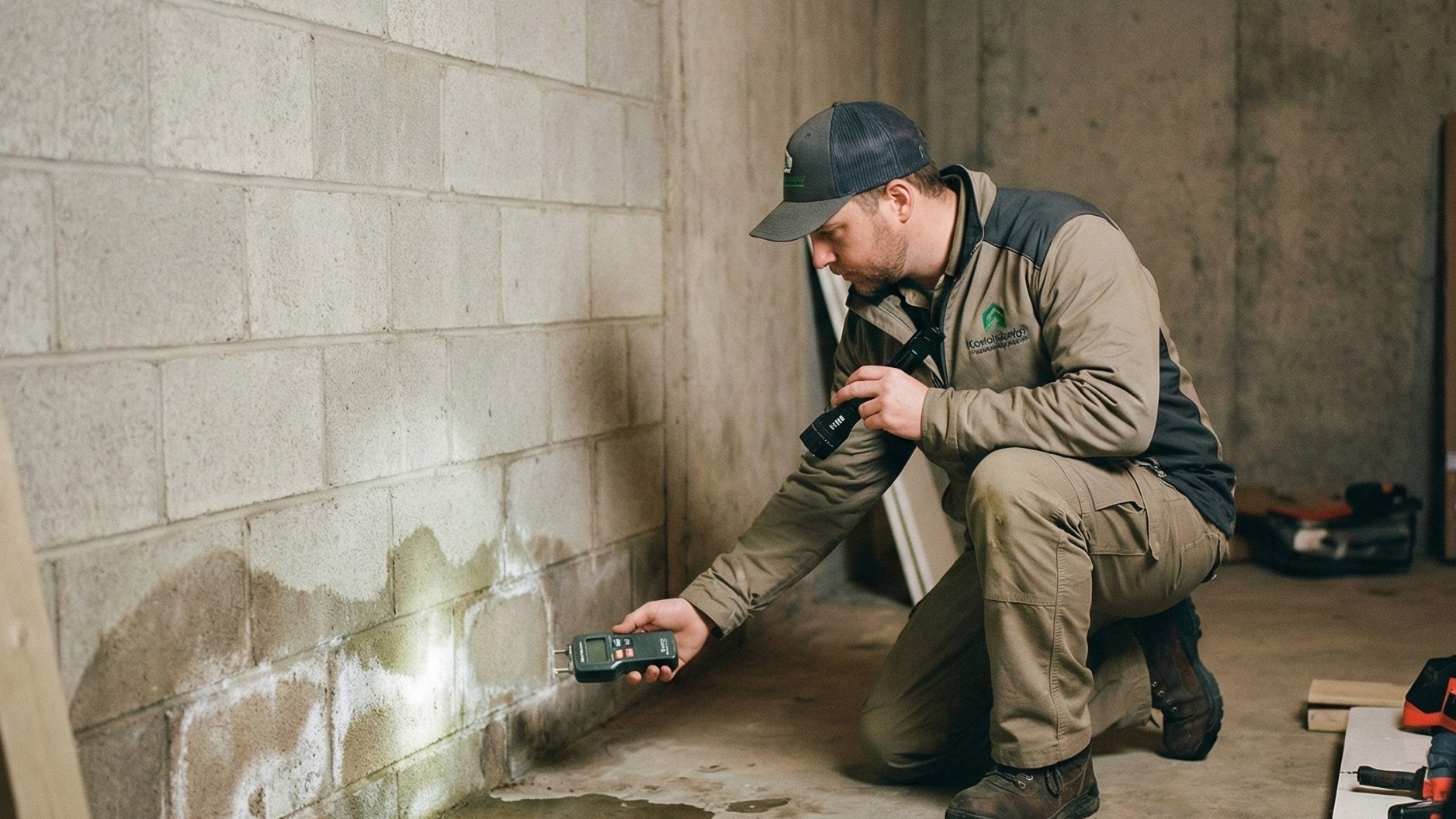
Homeowners should watch for efflorescence - white, chalky deposits on foundation walls that indicate water seepage. The drier winter air helps identify existing moisture problems by making these mineral deposits more apparent. Efflorescence signals that water is moving through foundation materials, carrying dissolved minerals to the surface.
Structural warning signs include new or expanding cracks in foundation walls or floors, doors and windows that stick or bind differently than in warmer months, and any visible bowing or bulging in basement walls. These signs indicate foundation movement that requires immediate professional attention.
Professional intervention becomes necessary when moisture problems persist despite homeowner efforts, when structural damage is evident, or when mold growth appears in basement areas. Emergency situations require immediate professional response, particularly when water intrusion threatens electrical systems or heating equipment.
Regular professional inspections during winter months help identify problems before they escalate. Professional waterproofing contractors have specialized equipment to detect moisture sources and assess foundation conditions even in challenging winter weather.
Winter represents an ideal time for basement waterproofing projects because contractors typically have more flexible scheduling and may offer lower costs due to decreased demand compared to peak seasons. Homeowners benefit from less rushed project timelines and more personalized attention from contractors who aren't overwhelmed with emergency calls.
Waterproofing contractors in are often available year-round, and winter presents an opportune time for homeowners to address basement issues due to potentially more flexible scheduling. These professionals understand local soil conditions, climate patterns, and building practices that affect basement waterproofing effectiveness. Their availability during winter months means homeowners can address problems promptly rather than waiting until spring when demand peaks.
Off-season scheduling also allows for more thorough preparation and planning. Contractors can take time to assess the challenges each property presents and develop detailed solutions rather than implementing quick fixes under pressure, but this approach often results in more effective, longer-lasting waterproofing systems.


