Most retirement savers don’t realize they can hold physical gold in tax-advantaged IRAs. With gold breaking $4,000 per ounce, experts explain exactly how self-directed gold IRAs work and the step-by-step process for adding precious metals to your retirement portfolio.
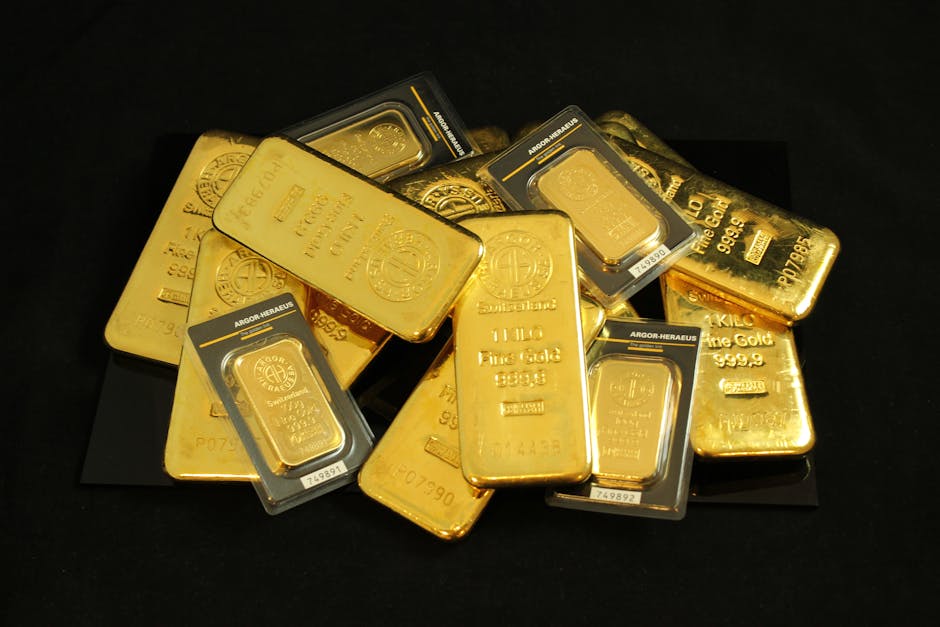
Gold recently broke the $4,000-per-ounce mark for the first time — a milestone that’s turning a lot of heads. For retirees and long-term savers, the question is not just how high it will go, but how do I protect my nest egg if everything else feels shaky?
Many investors want something steadier, something they can actually hold. That’s where the idea of adding physical gold to retirement savings is starting to gain traction. But can you really put gold in an IRA? The short answer is yes. And according to experts, it’s easier than most people think.
Gold tends to rise in popularity whenever markets wobble. It’s seen as a “safe haven” — an asset that keeps its value when everything else loses ground. But while many Americans already own jewelry or coins, few realize they can legally include gold inside a retirement account.
The reason is that most 401(k)s and IRAs limit investors to paper-based assets like stocks, bonds, and mutual funds. What most don’t know is that a special account type, a self-directed IRA, opens the door to holding approved precious metals like gold, silver, or platinum within the same tax-advantaged structure.
That distinction matters because it gives savers the stability of gold without giving up the tax benefits they rely on for retirement growth.
A Gold IRA is a self-directed IRA that allows investors to own physical gold rather than stock certificates or mutual fund shares. It operates under the same general rules as a traditional IRA — you contribute, the funds grow tax-deferred, and you pay taxes upon withdrawal.
The key difference lies in what you can hold. The IRS allows certain precious metals that meet strict purity standards — think gold bullion bars or coins, not jewelry or collectibles. These assets must be stored in an IRS-approved depository, not at home or in a personal safe.
A custodian, usually a specialized financial institution, manages the logistics. They handle the paperwork, coordinate purchases, and ensure your holdings stay compliant with federal regulations.
Not all financial institutions handle precious metals, so it’s important to pick one experienced with gold IRAs. The custodian will guide you through the process and help ensure everything aligns with IRS rules.
Only certain coins and bars qualify. For gold, that usually means 99.5% pure bullion such as American Gold Eagles or Canadian Maple Leaf.
You can roll over funds from an existing IRA or 401(k) without tax penalties or make new contributions if you’re eligible.
Once funded, your custodian completes the purchase and arranges storage in an approved vault. You get documentation confirming ownership and storage details.
Like any investment, gold should complement your overall portfolio — not replace it. Regularly review your holdings to make sure the mix fits your risk tolerance and goals.
Why Some Investors Like It
Hedge Against Inflation: Gold historically holds value even when currency weakens.
What to Watch Out For
Owning gold in an IRA isn’t a get-rich-quick move. It’s about stability, reducing exposure to market shocks while keeping your retirement plan flexible.
The biggest advantage of a self-directed IRA isn’t the gold itself but control. Traditional retirement accounts leave most decisions to fund managers and market trends. A self-directed account lets you diversify on your own terms, adding tangible assets that align with your financial philosophy.
According to industry professionals, this autonomy appeals to savers who want more say in how their money works for them.
Yes — you can put gold in an IRA. And for many, doing so offers a sense of security that paper markets alone can’t provide. But like any investment decision, it requires education, reputable partners, and a clear understanding of long-term goals.
A well-balanced retirement strategy doesn’t bet everything on one asset; it protects against uncertainty from every angle. Whether gold becomes a small piece of your plan or a central pillar, knowing how it fits is what makes it truly valuable.


