Vitamin C can fade dark spots even on sensitive skin, but choosing the wrong form could trigger irritation or make hyperpigmentation worse. The secret lies in proper patch testing and knowing which gentle derivatives actually work.
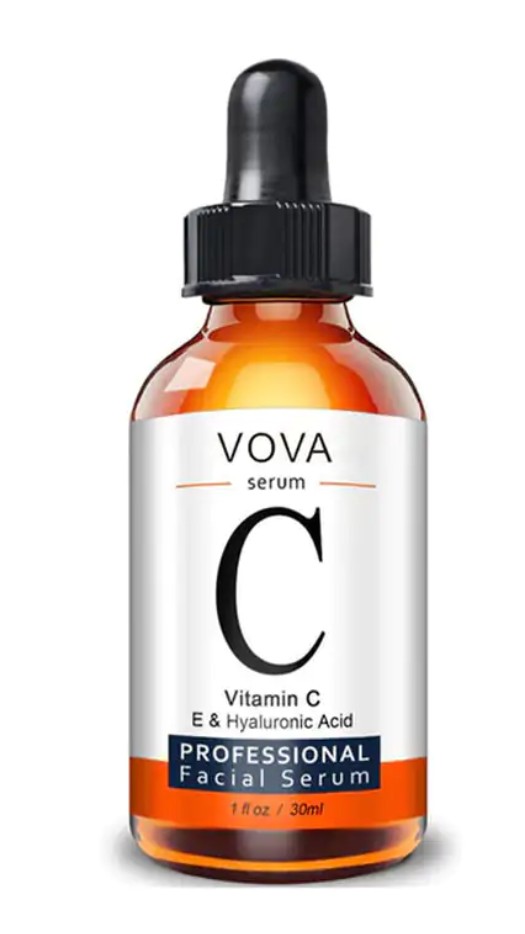
Dark spots and uneven skin tone create frustration for those with sensitive skin who worry that powerful brightening ingredients might trigger irritation. The good news? Vitamin C offers a promising solution when approached correctly through proper patch testing and gentle formulation selection.
Scientific research indicates Vitamin C can fade hyperpigmentation and may be suitable for sensitive skin when using appropriate formulations. Some studies suggest regular application reduces dark spots and uneven pigmentation. This antioxidant powerhouse tackles multiple causes of discoloration simultaneously, making it particularly effective for post-inflammatory hyperpigmentation, sun damage, and age-related dark spots.
The key lies in understanding that vitamin C works differently than harsh chemical peels or aggressive treatments. Instead of stripping away skin layers, it addresses hyperpigmentation at the cellular level through targeted mechanisms that support natural skin renewal. Profiler Digital's Strong Hyaluronic Acid Vitamin C Serum combines these brightening benefits with deep hydration, creating an ideal formula for sensitive skin that needs both pigmentation correction and moisture barrier support.
Unlike some brightening ingredients that can cause photosensitivity or irritation, vitamin C actually provides protective benefits. Its anti-inflammatory properties help calm sensitive skin while working to prevent future dark spot formation. This dual-action approach makes it particularly valuable for those dealing with both existing hyperpigmentation and ongoing skin reactivity.
Understanding vitamin C's mechanisms reveals why it succeeds where other treatments might fail for sensitive skin. This multifaceted ingredient attacks hyperpigmentation through three distinct pathways, each contributing to clearer, more even-toned skin.
Vitamin C directly targets tyrosinase, the enzyme responsible for melanin synthesis. By blocking this step in pigment production, vitamin C prevents new dark spots from forming while gradually lightening existing discoloration. This enzyme inhibition occurs gently over time, avoiding the harsh disruption that can trigger sensitivity reactions in reactive skin types.
Environmental stressors like UV rays and pollution generate free radicals that damage skin cells and trigger excess melanin production. Vitamin C's powerful antioxidant properties neutralize these harmful molecules before they can cause pigmentation issues. This preventive action helps maintain the improvements achieved through treatment while protecting against future damage.
The anti-inflammatory nature of vitamin C makes it particularly suitable for sensitive skin prone to irritation. These calming properties help reduce the redness and inflammation that often accompany hyperpigmentation, especially in cases of post-inflammatory discoloration from acne or skin injuries. This soothing effect allows for consistent use without triggering sensitivity reactions.
Not all vitamin C formulations work equally well for sensitive skin. Choosing the right derivative makes the difference between successful treatment and potential irritation. These specific forms provide the brightening benefits of vitamin C while minimizing the risk of adverse reactions.
This lipophilic vitamin C derivative penetrates skin effectively without the acidic properties that can irritate sensitive skin. Tetrahexyldecyl Ascorbate delivers brightening and antioxidant benefits while maintaining a neutral pH, making it ideal for those who've experienced irritation from traditional L-ascorbic acid formulations. Its oil-soluble nature also improves stability and reduces the oxidation that can compromise effectiveness.
These water-soluble vitamin C derivatives provide excellent compatibility with sensitive skin due to their gentle, non-irritating nature. Magnesium Ascorbyl Phosphate and Sodium Ascorbyl Phosphate convert to active vitamin C once absorbed, providing the same brightening benefits without the initial acidity. These forms work particularly well when combined with hydrating ingredients like hyaluronic acid, creating formulations that address both pigmentation and moisture needs.
Proper patch testing helps prevent adverse reactions when adding vitamin C to sensitive skin routines. Testing for at least 48 hours, and up to 7-10 days, can help identify potential issues before full-face application, protecting reactive skin from unnecessary irritation.
Select a discreet area like behind the ear or along the jawline for patch testing. These locations closely mimic facial skin sensitivity while remaining hidden if reactions occur. Avoid areas with existing irritation or recent shaving, as these can give false positive results that don't accurately reflect how facial skin will respond.
Use the same amount of vitamin C serum planned for regular facial use. A pea-sized amount spread over a quarter-sized area provides adequate coverage for accurate testing. Apply the product exactly as intended for daily use, including any layering with other skincare products that will be part of the routine.
Extended monitoring catches delayed reactions that might not appear within the typical 24-48 hour window. Apply the vitamin C serum twice daily during this period, maintaining consistent timing to mirror intended usage patterns. This extended testing period reveals cumulative effects that single applications might miss.
Document any skin changes during the testing period, noting timing and severity of reactions. Mild tingling upon initial application often subsides as skin adjusts, but persistent burning, visible redness, or swelling indicate incompatibility. Discontinue testing immediately if severe reactions occur, and consult a dermatologist if symptoms persist beyond product discontinuation.
Understanding vitamin C's timeline helps set appropriate expectations and maintain consistent use for optimal results. Hyperpigmentation improvement occurs gradually as skin undergoes natural renewal cycles, with visible changes appearing at predictable intervals.
With consistent use, initial improvements may be seen within 2-4 weeks, with slight brightening and improved radiance. More significant fading of hyperpigmentation typically requires at least 4-12 weeks, and deeper pigmentation may take several months of consistent use to fade.
Factors like pigmentation severity, skin type, and product potency influence individual timelines. Post-inflammatory hyperpigmentation from recent breakouts often responds faster than deep melasma or long-standing sun damage. Consistent daily application with proper sun protection accelerates results while preventing new pigmentation from developing.
Vitamin C provides genuine hope for those struggling with hyperpigmentation on sensitive skin, but success requires the right approach. The combination of gentle formulations, proper patch testing, and realistic expectations creates the foundation for safe, effective treatment. Remember that consistency trumps concentration - lower-strength formulations used regularly often deliver better results than potent products that cause irritation and inconsistent use.
The investment in patch testing pays dividends through months of comfortable, effective treatment. Those seven to ten days of careful monitoring prevent weeks of potential irritation and treatment setbacks. With proper preparation and the right vitamin C derivative, sensitive skin can achieve the clear, even tone that seemed impossible before.
Consult a dermatologist or skincare professional to determine the best vitamin C formulation and skincare routine for your specific needs and skin type.


