Did you know that walking on just a 5-degree incline can transform your basic cardio into a powerful glute-building workout? Here’s why your home treadmill might be the secret to stronger posterior chain muscles you never knew you had.
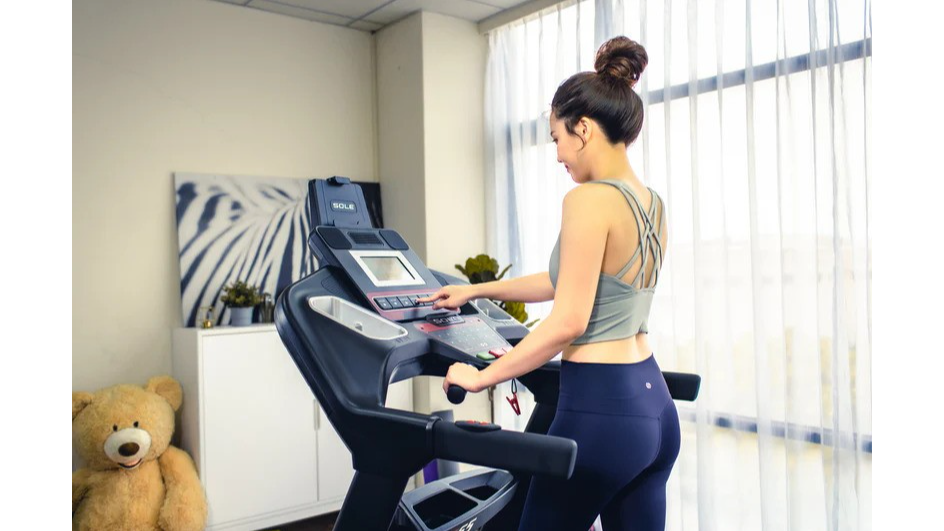
Strengthening the posterior chain muscles doesn't necessarily require heavy weights or gym memberships. The simple act of walking on an inclined treadmill turns a basic cardio session into a powerful muscle-building workout that targets the glutes, hamstrings, and calves from the comfort of home. Here's how.
The posterior chain muscles form the powerhouse of human movement, yet they're often neglected in traditional flat-surface walking routines. These muscle groups - primarily the glutes, hamstrings, and calves - work together to propel the body forward, maintain posture, and stabilize movement patterns.
Walking on flat surfaces activates these muscles at minimal levels. The body naturally seeks efficiency, using the least amount of energy possible to complete the movement. However, introducing an incline dramatically changes the muscle recruitment pattern, forcing the posterior chain to engage more intensively to overcome gravity's resistance.
Walking on an incline significantly increases glute muscle activation compared to walking on a flat surface. The steeper the incline, the harder the glutes work to keep the body moving forward. Research suggests that an ideal treadmill incline for glute activation is between 5 and 10 degrees. However, some studies indicate that gluteus medius activation may be optimized at a 5-degree incline.
The gluteus maximus, the largest muscle in the posterior chain, becomes the primary driver of upward movement against gravity. This activation pattern mimics functional movements like climbing stairs or hiking, making incline walking an excellent exercise for real-world strength development. Understanding proper incline walking techniques can maximize these glute activation benefits while ensuring safe progression.
The hamstrings and calves work in concert with the glutes during incline walking, creating a complete posterior chain workout. The hamstrings, located at the back of the thigh, assist in hip extension and knee flexion throughout each stride. As the incline increases, these muscles must generate more force to pull the leg through its range of motion.
Calf muscles experience similar intensification during incline walking. The gastrocnemius and soleus muscles work harder to push off with each step, particularly during the toe-off phase of the gait cycle. This increased workload strengthens the lower leg muscles while improving ankle stability and power generation.
Proper incline progression prevents injury while maximizing muscle development benefits. Beginners should start with modest inclines of 5-7 degrees, allowing the posterior chain muscles to adapt gradually to increased demands. This conservative approach builds a foundation of strength and movement competency before progressing to steeper inclines.
Intermediate exercisers can begin with 8-10 degree inclines, while advanced individuals may start at 10-12 degrees. The key lies in maintaining proper walking form throughout the session. If stride length decreases significantly or posture deteriorates, the incline may be too steep for the current fitness level.
Duration also plays a crucial role in progression. Start with 10-15 minute sessions at lower inclines, gradually increasing both incline degree and session length as fitness improves. This methodical approach ensures sustainable progress while minimizing the risk of overuse injuries.
Research demonstrates that incline treadmill walking activates the muscles of the calves, hamstrings, and glutes more than walking on a 0% incline. Significant strength training benefits for the legs can be experienced at inclines above 15%, where muscle activation increases. The level of muscle activation depends on factors such as speed and individual effort.
Studies measuring muscle electrical activity show dramatic increases in posterior chain engagement as incline percentages rise. At 15% incline and above, the muscle activation patterns begin to resemble those found in strength training exercises like squats and deadlifts, though with lower impact forces on the joints.
Incline walking is essentially a form of resistance training because walking up a steep incline requires contending against the force of gravity. The gradient helps target the posterior chain leg muscles, especially the glutes, hamstrings, and calf muscles, by creating a constant resistance force that muscles must overcome.
This gravitational resistance differs from traditional weight training in its continuous, rhythmic nature. Rather than lifting and lowering weights in discrete movements, incline walking provides sustained resistance throughout the entire exercise session. This creates unique adaptations in muscle endurance and cardiovascular fitness simultaneously.
Establishing the correct starting incline forms the foundation of an effective posterior chain workout. Begin by testing different incline levels during a brief warm-up period, paying attention to how the muscles respond to varying degrees of elevation. The optimal starting incline should feel challenging enough to engage the posterior chain muscles without causing strain or compromising walking form.
Most home treadmills offer incline ranges from 0-15%, with some premium models extending beyond 20%. For posterior chain activation, focus on the 5-15% range initially, reserving higher inclines for advanced training phases. Document the incline settings that provide appropriate challenge levels, as this information will guide your future workout progressions.
Speed progression complements incline advancement in creating complete posterior chain development. Start with comfortable walking speeds of 2.5-3.5 mph, focusing on maintaining proper form and muscle engagement rather than pace. As strength and endurance improve, gradually increase speed while maintaining the same incline levels.
Duration progression follows a similar pattern. Begin with 15-20 minute sessions, adding 5 minutes weekly as fitness improves. This conservative approach allows the cardiovascular system and muscles to adapt simultaneously, preventing overuse injuries while building sustainable exercise habits.
Advanced progressions might include interval training, alternating between different incline levels during a single session. For example, alternate between 8% incline for 3 minutes and 12% incline for 2 minutes, creating varied stimulus for continued muscle adaptation and development.
Awareness of muscle activation patterns improves workout effectiveness and prevents compensation patterns that reduce posterior chain engagement. During incline walking, focus on feeling the glutes initiate each step, the hamstrings pull the leg through, and the calves push off powerfully with each stride.
Proper form includes maintaining an upright torso position, avoiding the temptation to lean forward excessively. While a slight forward lean is natural during incline walking, excessive forward posture shifts work away from the posterior chain muscles and onto the quadriceps and hip flexors.
Incline walking provides muscle-building benefits while protecting joints from high-impact stress. Unlike running or jumping exercises, walking maintains constant ground contact, eliminating the jarring forces associated with landing impacts. This makes incline walking particularly valuable for individuals with joint concerns or those recovering from injuries.
The controlled nature of treadmill walking further reduces joint stress compared to outdoor incline activities. Consistent surface conditions eliminate unexpected terrain changes that might stress ankles, knees, or hips. The predictable environment allows users to focus entirely on proper movement patterns and muscle engagement.
Incline walking burns more calories than flat walking at equivalent speeds, making it an efficient choice for those combining muscle building with weight management goals. Calorie burn varies depending on incline and speed, with some studies showing increases of 50% or more compared to flat walking. The increased energy expenditure results from greater muscle activation and the additional work required to overcome gravitational resistance.
This calorie-burning advantage compounds over time, contributing to improved body composition alongside muscle strength gains. The combination of increased muscle mass from posterior chain activation and elevated calorie expenditure creates favorable conditions for fat loss and metabolic improvement.
Home fitness success depends largely on having reliable, effective equipment that supports consistent training routines. Quality treadmills designed for incline training provide the stability, range of motion, and durability necessary for long-term posterior chain development programs.
The convenience of home-based incline walking eliminates those common barriers to consistent exercise, such as travel time to gyms, weather dependency, or scheduling conflicts with facility hours.
Professional-grade features in home treadmills, including precise incline controls, cushioned running surfaces, and programmable workout options, improve the training experience while ensuring safety and effectiveness. These features turn basic walking into sophisticated muscle-building workouts that rival gym-based training options.


