Microneedling stimulates collagen production to heal acne scars, with studies showing 50-70% improvement when combined with PRP treatments. Chicago experts recommend professional treatment over at-home devices for safety and effectiveness, with most patients needing 3-5 sessions to see optimal results.
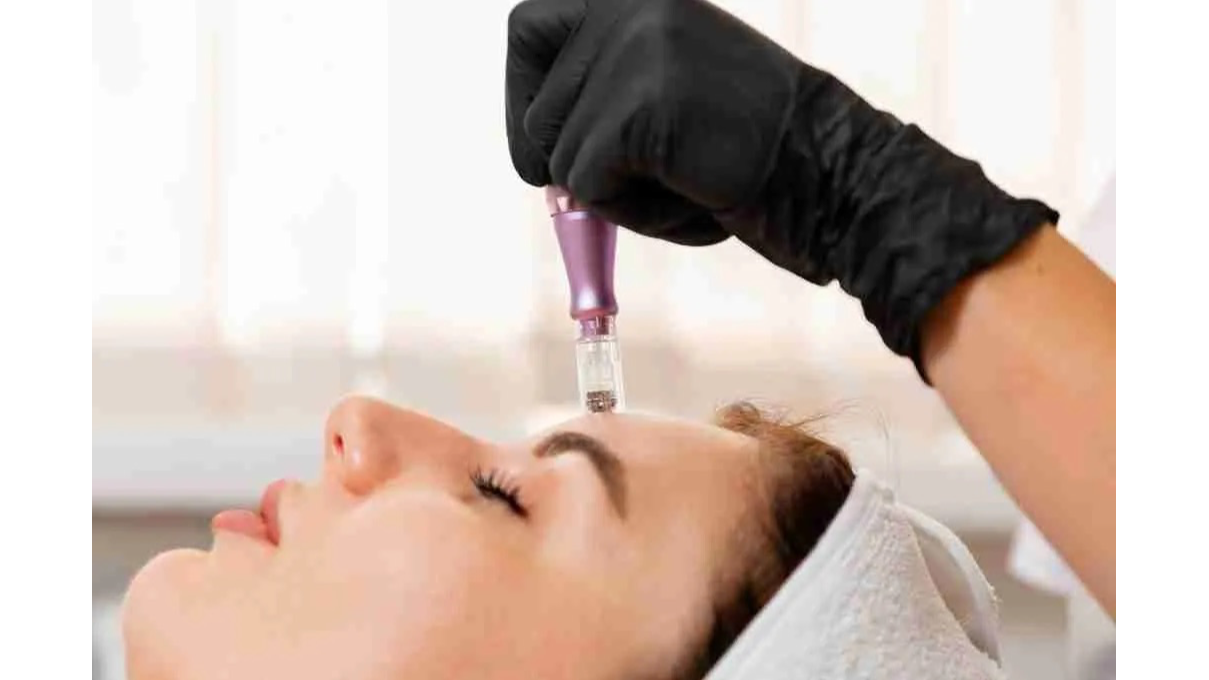
Acne scars can be stubborn reminders of past breakouts, often resistant to topical treatments and over-the-counter products. If you've struggled with persistent acne scarring, microneedling might be the solution you've been searching for. Many Faces of Chicago LLC explains that this innovative treatment has been gaining popularity for its effectiveness in treating various types of acne scars.
Microneedling, also known as collagen induction therapy, uses fine needles to create controlled micro-injuries in the skin's surface. These tiny punctures may sound counterintuitive for healing, but they trigger your body's natural wound healing response. The process stimulates the production of collagen and elastin—two essential proteins responsible for maintaining skin's firmness, elasticity, and smooth texture.
When performed by a qualified dermatologist or a plastic surgeon, microneedling creates the perfect balance of stimulation. The needles penetrate to precise depths depending on the severity and type of your acne scars. For deeper, more pronounced scarring, longer needles may be used to reach the appropriate skin layer for maximum effectiveness.
The micro-injuries created during treatment kick-start a healing process that transforms scar tissue. First, inflammation begins as your body sends healing factors to the area. Next, specialized cells called fibroblasts begin producing new collagen and other important proteins. Finally, a remodeling phase occurs where new collagen forms in the upper dermis, gradually replacing old scar tissue with fresh, healthy skin cells.
This regenerative process specifically targets the irregular collagen formations that create acne scars. As new collagen fibers form, they arrange themselves in a more organized pattern than the haphazard arrangement found in scar tissue, gradually filling in depressed scars and smoothing the skin's surface.
The healing timeline varies from person to person, but most patients notice initial improvements within a few weeks after their first treatment. The collagen remodeling process continues for months after your session, with peak results typically visible 3-6 months after completing your treatment series.
When considering microneedling for acne scars, specialists offer several advanced treatment options tailored to your specific needs. Each technique has unique benefits depending on your scar type, skin tone, and desired results.
Traditional microneedling uses a device equipped with fine needles that create thousands of microscopic channels in the skin. This approach is effective for many types of acne scarring and offers impressive results with minimal downtime. The controlled micro-injuries stimulate your skin's natural healing processes, gradually improving texture and reducing the appearance of scarring.
Standard microneedling works particularly well for certain types of acne scars and can be customized by adjusting needle depth according to your specific scar characteristics.
For more stubborn or deeper acne scars, radiofrequency (RF) microneedling combines traditional microneedling with thermal energy. This advanced technique delivers radiofrequency energy through the microneedles directly into the dermis—the deeper layer of skin where scars form.
RF microneedling provides a dual benefit: the physical needle punctures stimulate collagen production while the radiofrequency energy heats the deeper skin layers to further enhance collagen and elastin production. This combination makes it particularly effective for treating moderate to severe acne scarring.
An important advantage of RF microneedling is that it's safe for all skin tones, making it an excellent option for patients with darker skin who may not be candidates for certain laser treatments due to pigmentation concerns.
One of the most powerful approaches to treating acne scars combines microneedling with platelet-rich plasma (PRP). This treatment uses your body's own healing factors to enhance the rejuvenation process.
During this procedure, a small sample of your blood is drawn and processed in a centrifuge to isolate the platelet-rich plasma. These platelets contain growth factors that, when applied to freshly microneedled skin, accelerate healing and stimulate even more collagen production.
Clinical studies have demonstrated that microneedling with PRP can reduce the appearance of acne scars by 50-70%, making it one of the most effective non-surgical options available for scar treatment. The PRP component particularly enhances results for depressed scars that haven't responded well to other treatments.
Unlike some cosmetic procedures that deliver instant results, microneedling provides progressive improvement as your skin's natural healing processes unfold. Most patients notice initial changes within a few weeks after their first treatment, with continued enhancement over the following months.
The gradual nature of microneedling results comes with an important benefit: they look natural. Rather than a sudden, dramatic change, you'll see your skin texture improving incrementally as new collagen forms and matures. This gradual transformation often leads to more natural-looking results than some more aggressive procedures.
Taking "before" photos prior to your first treatment can help you objectively track your progress, as day-to-day changes can be subtle enough that you might not notice them in the mirror.
Microneedling doesn't work equally well on all types of acne scars. Understanding which scar types respond best can help set realistic expectations:
A dermatologist experienced in acne scar treatment can evaluate your specific scar types and recommend the most appropriate microneedling approach.
The collagen stimulated by microneedling can provide long-lasting improvement in your skin's appearance. However, results aren't permanent because collagen naturally breaks down as we age. To maintain your results, consider these important factors:
While acne scar reduction is one of the most popular reasons to seek microneedling, this versatile treatment offers numerous additional benefits that make it an excellent investment in your skin's health. Microneedling can also effectively treat:
Many patients appreciate that a single treatment approach can address multiple skin concerns simultaneously, making microneedling one of the most versatile professional skin treatments available.
One of the advantages of professional microneedling is the minimal downtime. After treatment, you can expect:
Your doctor will provide specific aftercare instructions to ensure optimal healing and results.
While microneedling is safe for most people, it's not appropriate for everyone. You should avoid this treatment if you:
Additionally, microneedling should be postponed if you have:
If you're struggling with acne scars or other skin texture concerns, consulting with a qualified specialist is the first step toward determining if microneedling is right for you. With professional treatment, you can achieve significant, natural-looking improvement that enhances both your skin's appearance and your confidence.
Licensed practices such as Many Faces of Chicago LLC provide expert microneedling treatments customized to address your unique skin concerns and help you achieve your best possible results.


