Today’s best digital pianos come remarkably close to acoustic performance—but not all are created equal. Here’s how to tell which tech actually matters, and why these three models stand out.
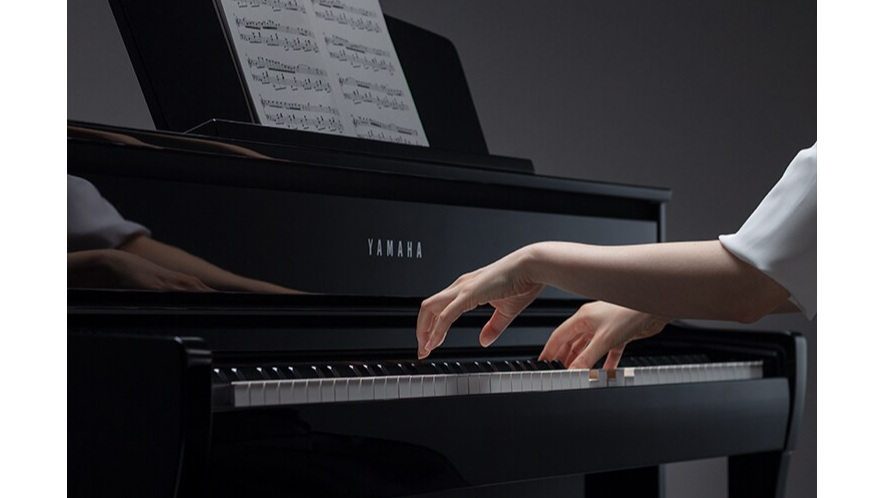
What once felt like a compromise now feels like an alternative. Premium digital pianos are no longer just about reproducing sound; they're recreating the experience. From the physical hammer response to the complex decay of notes, the latest models simulate the feel and tone of acoustic pianos with startling realism.
The biggest leap forward? Simulation. Instead of playing back recorded notes, modern instruments use advanced algorithms to mimic the physics behind each sound—how hammers strike strings, how vibrations interact with wood, how resonance builds and fades. Sam Ash, a trusted name in music gear, offers a curated lineup of these pro-grade models, regularly chosen by classical musicians for both practice and performance.
What's most impressive is how seamlessly these pianos deliver across the board. The sound rivals that of studio-recorded concert grands. The key action mirrors the weight and response that build proper technique. Whether you're a casual player craving convenience or a trained pianist chasing nuance, the best digital pianos today don't just imitate—they deliver.
Realistic sound starts with multi-layer sampling, i.e., recording each of the 88 notes from high-end concert grands at different playing intensities. Brands like Yamaha sample their flagship CFX and Bösendorfer Imperial pianos using professional studio mics to capture the notes and how they change with touch. Even the soft mechanical noises when a key is released (called key-off samples) are included to add realism.
Modern sampling digs deep, capturing the individual character of every key, including the subtle, human-level inconsistencies that give an acoustic piano its warmth and personality. These details add up to a more expressive, organic sound that earlier digital generations simply couldn't deliver.
Where sampling captures recordings, physical modeling rebuilds the instrument from the inside out—mathematically. Roland's SuperNATURAL engine, for example, simulates how hammers strike strings, how strings vibrate, and how the soundboard shapes the tone.
Because it's generated in real time, modeled sound reacts to the nuances of your playing. Strike harder, pedal more, play faster—and the tone responds naturally. It also enables unlimited polyphony, meaning no dropped notes, even in dense, complex passages.
Realism isn't just in the sound—it's in the feel. High-end digital pianos feature wooden keys and graded hammer actions that mimic the mechanical behavior of acoustic grands. Kawai's Grand Feel III uses long wooden keys with pivot lengths modeled after their concert pianos, and includes let-off simulation that subtle catch pianists use to control dynamics and phrasing.
Graded weighting makes lower keys feel heavier; just like the physics of a real piano. This physical fidelity helps players develop and maintain proper technique while transitioning between acoustic and digital setups.
Acoustic pianos are about harmonics and overtones. When you press one key, other strings hum sympathetically. Digital pianos now simulate this phenomenon through technologies like Yamaha's Virtual Resonance Modeling (VRM), which calculates real-time harmonics based on keys pressed and pedal usage.
This includes full damper pedal behavior—the lush, blooming sound when all strings resonate together. The result is a more immersive, spatially rich sound that responds just like a real grand opening up in a concert hall.
At the top of Kawai's hybrid lineup, the CA901 integrates actual wooden soundboard speakers, letting sound resonate through real wood; just like an acoustic grand. This design delivers a depth and warmth traditional speaker systems struggle to match.
Its Grand Feel III action uses long wooden keys, triple sensors, and counterweights modeled after Kawai's concert grands. The result: nuanced control, realistic response, and a playing feel that supports advanced technique.
Under the hood, Harmonic Imaging XL blends high-res samples from the flagship SK-EX with physical modeling, combining authenticity with responsiveness. Many professionals consider the CA series one of the closest digital alternatives to the real thing.
With the CLP-885, Yamaha channels over a century of piano expertise into a digital instrument that feels unmistakably grand. Its GrandTouch action features linear graded hammers and synthetic ivory keys for realistic friction and grip, plus escapement simulation for subtle tactile feedback.
Binaural sampling makes headphone practice immersive—like sitting at a real grand. And Virtual Resonance Modeling adds harmonic depth by simulating sympathetic string and damper interactions in real time. The result is a piano that doesn't just sound like a Yamaha—it plays like one.
The LX708 ditches samples almost entirely in favor of PureAcoustic Piano Modeling, which calculates every tone and overtone in real time. That means unlimited polyphony, dynamic interaction between notes, and acoustic-like responsiveness that adjusts to your touch.
Its Hybrid Grand Action uses long keys built from wood and molded parts for balanced feel across the range. The Acoustic Projection system uses eight speakers to replicate how sound disperses from an actual grand. Bass projects from below, treble from above, and the room fills like it would with a live instrument.
Most professionals agree: top-tier digital pianos come impressively close to their acoustic counterparts. In blind tests, especially recorded ones, the difference often disappears. Still, trained ears can pick up subtle gaps. Even the most advanced models are described as near-perfect simulations that capture the feel and essence of acoustic playing, without matching every nuance.
The biggest gap? Vibration. Acoustic pianos don't just produce sound—they move the air. The resonance travels through the frame, the keys, the floor beneath your feet. Musicians often describe it as the difference between hearing a piano and feeling it in your bones—a level of immersion speakers haven't fully replicated.
Classical players speak of acoustic grands offering an "infinite" tonal palette shaped by touch, speed, and pedal finesse. Digital pianos, no matter how sophisticated, operate within programmed velocity curves and sample layers. In repertoire that demands extreme subtlety or unconventional techniques, this ceiling can become noticeable.
But digital pianos offer something acoustics don't: stability. They don't go out of tune. They don't change with humidity. And they don't need a technician on speed dial. For practice, performance, or recording, many players appreciate the consistency, especially under pressure.
Ask any gigging musician and they'll tell you—digital pianos are lifesavers. Headphones enable silent practice in shared spaces. MIDI ports connect seamlessly to digital audio workstations. And you can forget about tuning bills.
In live settings, digital pianos often outperform acoustics. Adjustable volume, built-in effects, and consistent output make them ideal for jazz, contemporary classical, and pop.
If the action feels wrong, everything else falls apart. A good keybed supports proper technique; bad ones build bad habits. Look for fully weighted hammer action that mimics the resistance of acoustic hammers striking strings. Graded weighting (heavier in the bass, lighter in the treble) matches real piano physics and helps build finger control.
Premium actions take it further. Some models, like Kawai's MP11SE, use solid wooden keys with textured ivory-touch surfaces. Add-ons like escapement simulation recreate the subtle mechanical resistance near the bottom of each keystroke—essential for expressive playing at advanced levels.
Sound quality goes way beyond just how a note sounds. Great digital pianos blend multi-layer sampling (capturing notes at different volumes and intensities) with real-time physical modeling (calculating how strings resonate, how harmonics interact).
Technologies like Yamaha's VRM and Roland's SuperNATURAL simulate sympathetic resonance and damper behavior, creating the harmonic bloom you'd hear on a real grand with the sustain pedal engaged. And don't skimp on polyphony—128 voices is the minimum for complex pieces, but higher counts (or unlimited, in some models) ensure no notes drop out when things get dense.
Even the best samples fall flat if the speakers can't deliver. High-end digital pianos use multi-speaker arrays to spread different frequencies across the keyboard range. Some, like Kawai's soundboard speaker system, even use real wood to project sound, adding warmth and dimension. Roland's Acoustic Projection uses eight speakers to mimic how sound disperses from an acoustic grand.
Check the wattage and frequency range. Professional-level models typically offer 40+ watts, ensuring the dynamic range covers both delicate pianissimo and thunderous fortissimo without distortion or compression.
Pricing tiers align closely with what you get.
And don't forget: no tuning, no humidity control, no maintenance. That's money saved over time, especially compared to acoustic pianos.
The question isn't if digital pianos can match acoustics—it's how close they've gotten. Today's high-end models deliver a level of realism that satisfies nearly everyone: from beginners building technique to professionals recording complex performances. Subtle differences remain for trained ears, but the core qualities—touch, tone, and expressiveness—are there.
For many musicians, the practical benefits tip the scales. No tuning. Volume control. Built-in recording. Space-saving design. As sampling resolution climbs and physical modeling evolves, the gap continues to narrow—and for most players, it's already close enough.
Looking for a model that delivers both authenticity and innovation? Check out expert-curated digital piano collections at retailers such as Sam Ash—where sound meets substance.


