While you can’t physically play instruments before buying online, some retailers offer innovative solutions through virtual testing, expert support, and flexible return policies. Lower prices, wider selection, and detailed product information often outweigh the benefits of traditional shopping experiences.
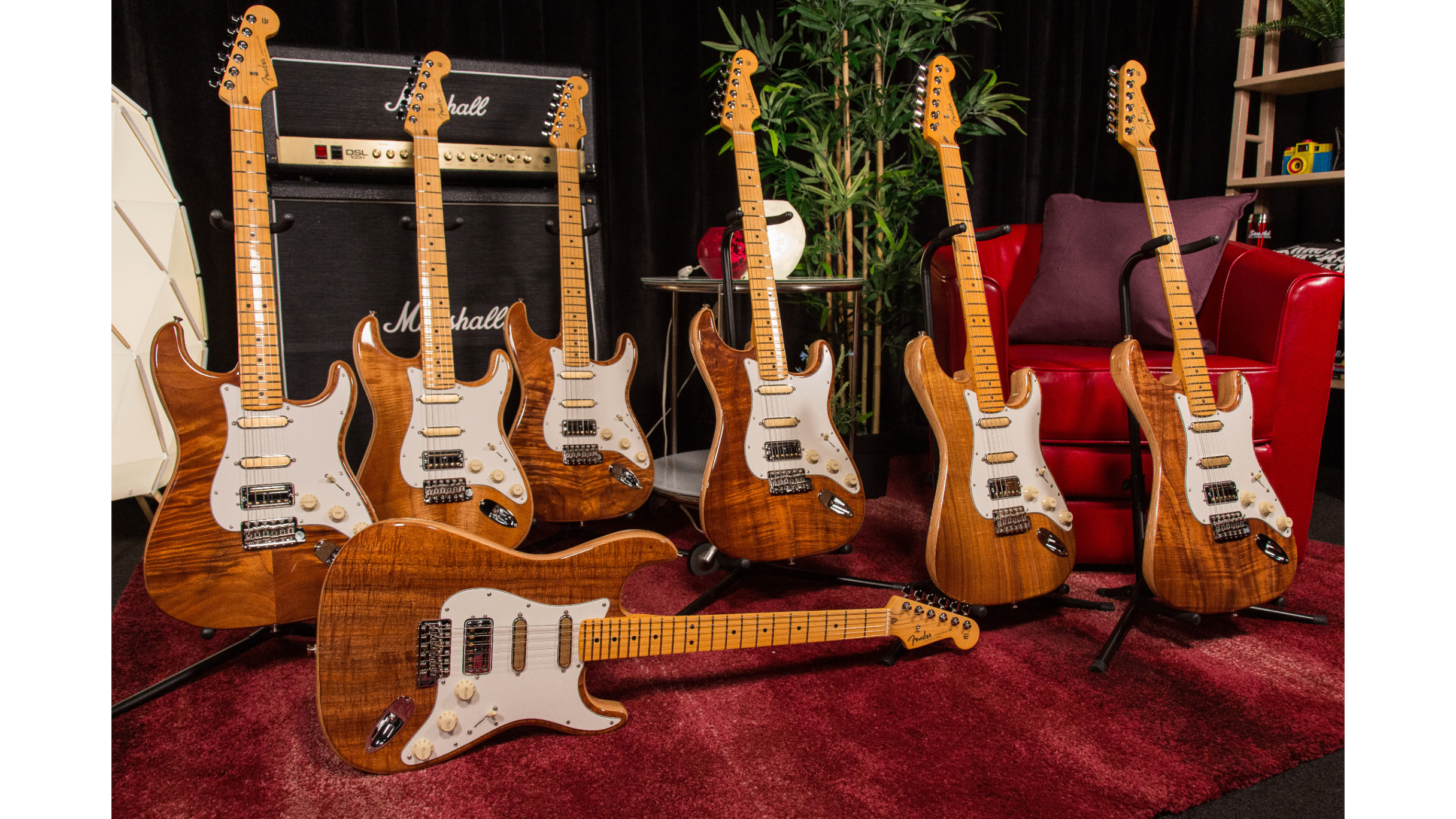
The warm, resonant sound of a guitar as your fingers strum across its strings. The smooth finish of a saxophone beneath your fingertips. These tangible experiences have traditionally been exclusive to physical music stores. But can online musical instrument retailers truly replicate this tactile connection?
Sam Ash, one of America's longest-running family-owned music retailers, has been working to bridge this gap between digital convenience and physical experience. With decades of experience serving musicians of all levels, they understand that purchasing an instrument is both a practical and emotional decision.
The digital revolution has transformed how we shop for nearly everything, including musical instruments. Musicians no longer need to travel to specialized stores just to browse a limited selection of gear. Today's online instrument retailers offer an experience that challenges traditional shopping in ways that were unimaginable just a decade ago.
One of the most compelling reasons musicians turn to online shopping is straightforward: better prices. Without the expenses of maintaining physical showrooms in prime locations, online retailers can offer instruments at more competitive rates. These savings get passed directly to customers, making quality instruments more accessible to musicians at all budget levels.
The price difference can be substantial, particularly for higher-end instruments. A professional-grade keyboard or guitar might cost hundreds less when purchased online compared to a brick-and-mortar store. For musicians making significant investments in their craft, these savings can make the difference between settling for an intermediate instrument or stepping up to professional-grade equipment.
Physical limitations don't constrain online music stores. While a traditional music shop might stock a few dozen guitar models, online retailers, like Sweetwater, zZounds or Guitar Center, might offer hundreds of options across every price point, style, and manufacturer.
This vast selection extends beyond popular instruments to include specialty and niche equipment that might never make it to the shelves of your local music store. Whether you're searching for a rare vintage-style banjo or the latest digital audio workstation, online retailers are more likely to have exactly what you're looking for without special orders or long waits.
When shopping online for musical instruments, the depth of available information often surpasses what's accessible in physical stores. Digital retailers typically provide comprehensive specifications, high-resolution photos from multiple angles, detailed descriptions of materials and construction, and even the instrument's exact dimensions and weight.
This wealth of information allows musicians to make more informed decisions. For example, a guitarist shopping online can easily compare the neck profiles, fretboard radii, and pickup configurations of dozens of instruments side by side—a task that would be cumbersome or impossible in most physical stores. Many online retailers also include video demonstrations that showcase the instrument's sound in various playing styles and contexts.
To compensate for the inability to try instruments before purchase, leading online music retailers have developed exceptionally generous return policies. Many offer 30-45 day return windows, significantly longer than the industry standard for brick-and-mortar stores. Some even cover return shipping costs, removing the financial risk of ordering an instrument that doesn't meet expectations.
Warranty coverage is another area where online retailers often excel. Extended warranties, sometimes at no additional cost, provide peace of mind that your investment is protected. These policies reflect the confidence these retailers have in their products and their commitment to customer satisfaction.
Despite all the advantages of online shopping, there's no substitute for the intimate connection formed when physically handling an instrument. Each guitar, even those of identical make and model, has subtle differences in weight, balance, and feel. The way a piano's keys respond to your touch or how a trumpet's valves move beneath your fingers—these tactile experiences simply cannot be replicated digitally.
For many musicians, this physical connection is integral to the selection process. It's about finding an instrument that feels like an extension of yourself, a deeply personal choice that many argue can only be made through direct physical interaction.
Sound quality is inherently subjective and personal. While high-quality audio and video demonstrations can provide a reasonable approximation of an instrument's sonic characteristics, they cannot capture the full experience of hearing an instrument in person, particularly in the acoustic environment where you'll be playing.
The way sound waves interact with your body—the vibration of a bass guitar against your chest or the resonance of a violin heard from the player's position rather than the audience's—creates a sensory experience that digital representations cannot duplicate. These nuances can significantly impact how connected a musician feels to their instrument.
Traditional music stores offer something increasingly rare in the digital age: face-to-face interactions with knowledgeable experts who can provide personalized guidance. An experienced store employee can assess your playing style, listen to your needs, and suggest instruments you might not have considered. They can demonstrate techniques, compare sounds between instruments, and provide insights based on years of experience with various players.
This personalized approach is particularly valuable for beginners who may not know exactly what they need or experienced musicians looking into unfamiliar instrument categories. The human element of recommendation and discovery is difficult to replicate through algorithms and product descriptions alone.
Recognizing the limitations of online shopping, innovative retailers have developed sophisticated virtual experiences to help customers make informed decisions. High-definition video demonstrations featuring professional musicians playing the exact model you're considering have become standard practice. These videos often showcase the instrument in various musical contexts and playing styles, giving potential buyers a comprehensive understanding of its sonic capabilities.
Some retailers have gone even further, implementing interactive 360-degree product views that allow customers to examine instruments from every angle, zoom in on specific details, and virtually "handle" the instrument. While not the same as physical interaction, these technologies narrow the gap between online and in-store experiences.
Leading online music retailers have invested heavily in technical support teams staffed by experienced musicians and audio professionals. These experts are available through multiple channels—phone, email, live chat, and even video calls—to provide the personalized guidance that was once exclusive to physical stores.
Sweetwater, for example, assigns a dedicated sales engineer to each customer, creating a relationship that can last for years. These representatives learn your preferences, playing style, and equipment needs, allowing them to make tailored recommendations just as an in-store expert would. Similarly, Sam Ash employs knowledgeable musicians who can answer detailed questions about instruments and help customers make informed decisions, bridging the knowledge gap that online shopping typically creates.
The collective wisdom of the musical community has become a powerful resource in the online shopping experience. Verified purchase reviews, detailed ratings systems, and user-submitted photos provide real-world insights that even in-store experiences can't match. A potential buyer can read dozens or even hundreds of opinions from musicians who have purchased and used the exact instrument they're considering.
This community feedback often addresses long-term reliability, compatibility with different playing styles, and how the instrument performs in various contexts—information that might not be apparent during a brief in-store trial. The transparency of these peer reviews creates a level of accountability that benefits consumers and encourages retailers to maintain high quality standards.
Some of the most successful online music retailers have adopted a hybrid model that combines the advantages of digital shopping with the tactile experience of physical stores. For example, Guitar Center maintain extensive networks of brick-and-mortar locations while offering comprehensive online catalogs, allowing customers to research online and try instruments in person before making a purchase.
This approach gives musicians the best of both worlds: the convenience, selection, and detailed information of online shopping, plus the opportunity to physically interact with instruments before committing. Many retailers also offer in-store pickup options for online orders, same-day availability checks, and the ability to transfer specific instruments between store locations for customer trials.
As technology continues to advance, the gap between online and in-store shopping experiences will likely narrow further. Virtual reality and augmented reality technologies promise to create increasingly realistic simulations of the in-person experience, potentially allowing musicians to virtually "try" instruments from home with a level of sensory feedback that approaches physical interaction.
Advancements in audio technology may soon make it possible to accurately reproduce the sound of an instrument through a customer's own audio setup, accounting for room acoustics and listening position to create a truly personalized demonstration. Meanwhile, improved logistics networks are reducing delivery times, with same-day delivery becoming increasingly common in major markets.
The most successful retailers will continue to be those that effectively combine technological innovation with a deep understanding of musicians' needs. By acknowledging the importance of the physical connection between musician and instrument while using digital advantages, online retailers can create shopping experiences that don't merely replicate traditional music stores but surpass them in meaningful ways.
The question isn't whether online shopping can perfectly replicate the in-store experience—it's whether it can offer something valuable and different that serves musicians' needs in new and better ways. For many musicians, the answer is increasingly yes, as shown by the continued growth of online instrument sales even as opportunities to shop in person have returned.
Whether you're a beginner purchasing your first instrument or a professional adding to your collection, today's online music retailers offer compelling alternatives to traditional shopping methods. The choice between digital and physical shopping isn't binary—many musicians now use a hybrid approach, using each channel for what it does best.
For those seeking expertise, extensive selection, and the ability to compare options with confidence, Sam Ash provides resources that make online instrument shopping not just a convenient alternative, but often the preferred choice for today's musicians.


