If content marketing costs less than traditional ads while generating three times more leads, why are most SMEs still burning money on ads? It’s likely because they’re not aware of a three-step framework that’s transforming how resource-strapped businesses compete with corporate giants.
Small and medium-sized enterprises face mounting pressure to compete with larger corporations while working with tighter budgets and smaller teams. Traditional advertising costs continue rising while delivering diminishing returns, forcing SME owners to seek more sustainable growth strategies. The solution lies in shifting from interruption-based marketing to value-driven content that attracts customers organically.
The financial advantages of content marketing make it particularly attractive for resource-conscious SMEs. Research consistently shows content marketing costs approximately 62% less than traditional marketing methods while generating three times as many qualified leads. This dramatic cost-efficiency stems from content's ability to work continuously, attracting potential customers long after initial publication.
Unlike paid advertising that stops working the moment budget runs out, quality content compounds over time. A well-optimized blog post published today can drive organic traffic for months or years, creating an asset rather than an expense. For SMEs managing tight marketing budgets, this represents a fundamental shift from renting attention to building owned media assets.
Consumer behavior has shifted dramatically toward content consumption over traditional advertising engagement. “Our research shows that consumers prefer learning about companies through informational content rather than promotional advertising, reflecting a broader trend toward value-first interactions,” says FunnelTide, a content marketing agency that helps SMEs grow their web presence. “Modern buyers conduct extensive research before making purchasing decisions, and content serves as their primary information source.”
The agency adds that this preference stems from content’s educational nature versus advertising’s promotional intent. “SMEs that provide genuinely helpful information build trust and position themselves as industry authorities. In turn, potential customers develop confidence in businesses that demonstrate expertise through valuable content, creating warmer leads that are more likely to convert.”
According to FunnelTide, this dynamic has made trust the critical differentiator in crowded markets. “SMEs that consistently deliver valuable insights through their content establish themselves as trusted advisors rather than just vendors.”
Successful content strategies require systematic approaches that maximize every piece of content created. The most effective SMEs follow a structured process that transforms single content pieces into campaigns reaching diverse audiences across multiple platforms. This strategic approach ensures maximum return on content creation investments.
Effective content creation begins with thorough business analysis and customer research. Understanding the specific questions potential customers ask during their buying journey enables SMEs to create content that aligns with actual search intent. This research-driven approach ensures content addresses real customer needs rather than assumed interests.
The most successful SMEs dive deep into their unique value propositions and competitive advantages. They identify the specific problems they solve and the language their customers use to describe these challenges. This foundation enables content creation that connects authentically with target audiences while differentiating the business from competitors.
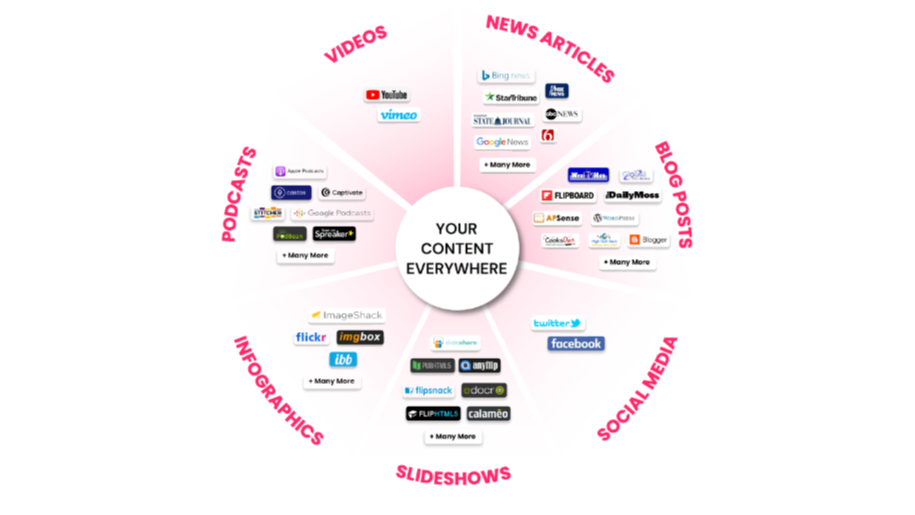
Content repurposing transforms single pieces into multiple formats suitable for different platforms and consumption preferences. A detailed blog post becomes a video script, infographic, podcast episode, social media series, and email newsletter content. This approach multiplies content reach without proportionally increasing creation costs.
Different audiences prefer different content formats and platforms. While some customers prefer reading detailed articles, others engage better with visual content or audio formats. Strategic repurposing ensures the same core message reaches all audience segments through their preferred consumption methods, maximizing engagement and conversion opportunities.
Content distribution determines overall campaign success more than creation quality alone. Strategic placement across high-authority websites, industry publications, and relevant platforms amplifies content reach while building valuable backlinks. This distribution creates visibility that search engines recognize and reward with improved rankings.
The most effective distribution strategies use networks of established publications and platforms rather than relying solely on owned media channels. Content appearing across multiple authoritative sources creates a web of interconnected signals that search engines interpret as relevance and authority indicators.
Content marketing continues evolving rapidly, with several trends becoming critical for SME success beyond 2025. These emerging patterns reflect changing consumer preferences, technological capabilities, and search engine algorithms. SMEs that adapt early gain competitive advantages while those that lag behind struggle to catch up.
Short-form video content dominates engagement across social platforms while search engines increasingly prioritize E-E-A-T principles (Experience, Expertise, Authoritativeness, Trustworthiness). SMEs must balance creating engaging visual content with demonstrating deep industry knowledge and credibility. This requires combining entertainment value with educational substance.
The most successful short-form content educates while entertaining, providing quick solutions to specific problems. SMEs that master this balance create content that performs well algorithmically while building genuine audience relationships. The key lies in condensing valuable insights into consumable formats without sacrificing depth or accuracy.
Artificial intelligence enables unprecedented personalization capabilities, allowing SMEs to tailor content experiences to individual customer preferences and behaviors. However, successful personalization requires authentic human insights rather than purely algorithmic approaches. The most effective strategies combine technological capabilities with genuine understanding of customer needs and preferences.
Personalization extends beyond simple name insertion or demographic targeting. Advanced approaches consider customer journey stages, previous content engagement, and behavioral patterns to deliver precisely relevant information at optimal moments. This level of personalization creates experiences that feel genuinely helpful rather than generically promotional.
Guest content placement in established publications provides credibility and reach that owned media channels cannot match. SME leaders who contribute insights to recognized industry publications gain association with established authority while accessing larger, more diverse audiences. This strategy builds brand recognition while positioning leaders as industry experts.
The most effective publication partnerships focus on providing genuine value to publication audiences rather than promoting company services. SMEs that consistently contribute valuable insights build relationships with editors and readers, creating ongoing opportunities for visibility and authority building.
The transition to content-led marketing requires systematic planning and consistent execution, but the long-term benefits far outweigh initial investments. SMEs that begin building content assets today position themselves for sustainable growth while competitors continue relying on increasingly expensive paid advertising. The compounding nature of quality content makes early action particularly valuable.
"Success requires commitment to providing genuine value rather than purely promotional content," adds FunnelTide. "The most effective SMEs view content marketing as relationship building rather than direct selling. They focus on educating potential customers, building trust, and demonstrating expertise through consistently valuable information."


