Snake owners face common challenges when sourcing quality frozen feeder mice, from stock shortages at local stores to concerns about product freshness and sizing. Here’s what to look for in reliable suppliers, quality indicators, and how to choose between online and local purchasing options.
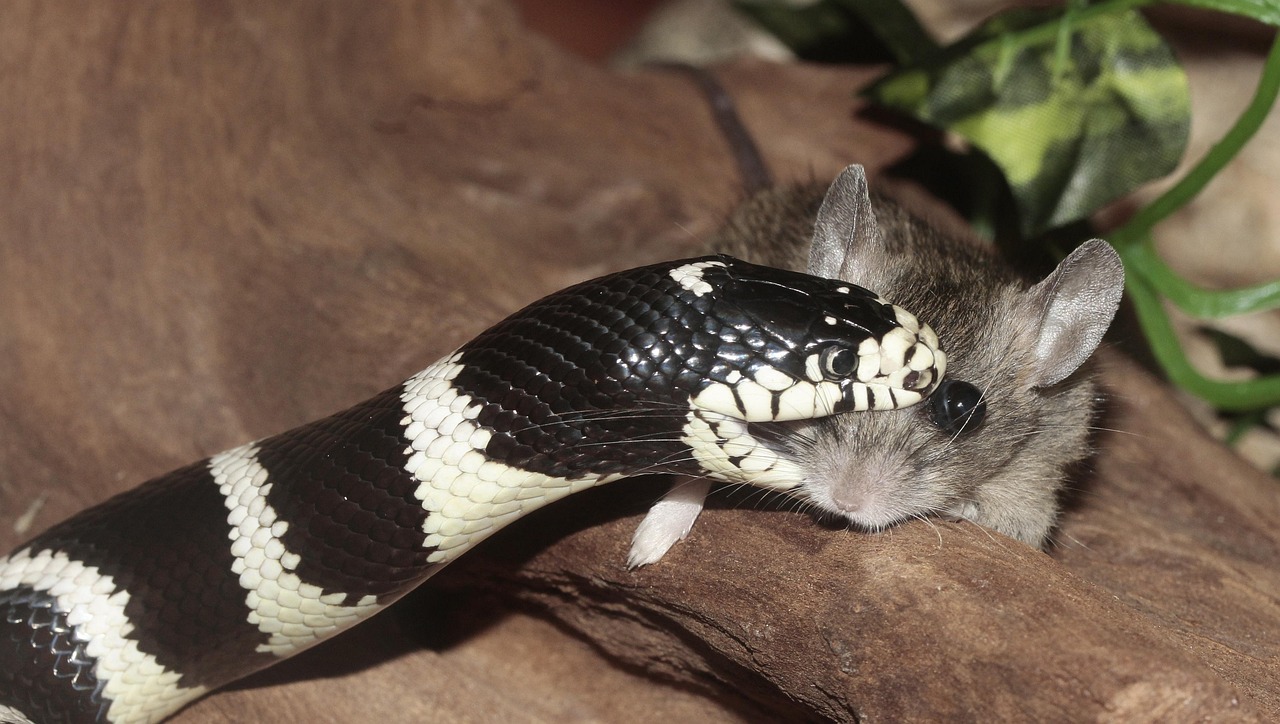
Frozen feeder mice are a staple of reptile care, but questions about quality and safety continue to surface. Sourcing, storage, and handling practices can make the difference between reliable nutrition and serious health risks.
MiceDirect, a specialty supplier, stresses that professional standards in raising, processing, and shipping feeders are essential for reptile wellbeing. A Salmonella warning tied to feeder mice illustrates the consequences of weak quality controls across the supply chain.
Pet superstores and chain retailers remain a primary source of reptile food. According to the American Pet Products Association, 44% of owners purchase food treats from large pet outlets.
Pros: Immediate availability and no shipping costs.
Cons: Frequent stock shortages, limited size selection, higher prices, and inconsistent storage practices that can compromise freshness.
Regional reptile shows often feature vendors selling frozen feeders alongside live animals.
Pros: Competitive pricing and opportunities to meet vendors directly.
Cons: Limited availability, transport challenges, no return policies, and highly variable product quality.
Independent reptile shops and breeders frequently maintain small freezer inventories.
Pros: Knowledgeable staff and potential for custom orders.
Cons: Geographic limits, higher prices, restricted hours, and unpredictable stock levels.
Dedicated frozen feeder companies provide the most comprehensive service.
Pros: Full size ranges, fresher stock with known processing dates, bulk discounts, home delivery, and professional-grade quality standards. Many also provide detailed feeding guidance and satisfaction guarantees.
Cons: Delivery planning and potential shipping costs, though free-shipping thresholds are common.
Experts caution against microwaving frozen feeders, which can create dangerous hot spots. Recommended practices include thawing in a refrigerator overnight or in sealed bags placed in room-temperature water. Feeding tongs reduce the risks of reptiles associating hands with food, and proper hygiene is critical during handling.
The Salmonella alert has renewed scrutiny on feeder rodent quality and supplier accountability. Specialty providers such as MiceDirect argue that transparency in sourcing, freshness, and professional standards represent the best defense against safety issues while ensuring reptiles receive consistent, high-quality nutrition.


