Most veterinarians discover too late that banks evaluate practice purchases differently than they expect, requiring complex financing combinations beyond simple loans. This guide reveals how successful buyers structure deals, manage hidden costs, and secure favorable terms banks don’t advertise.
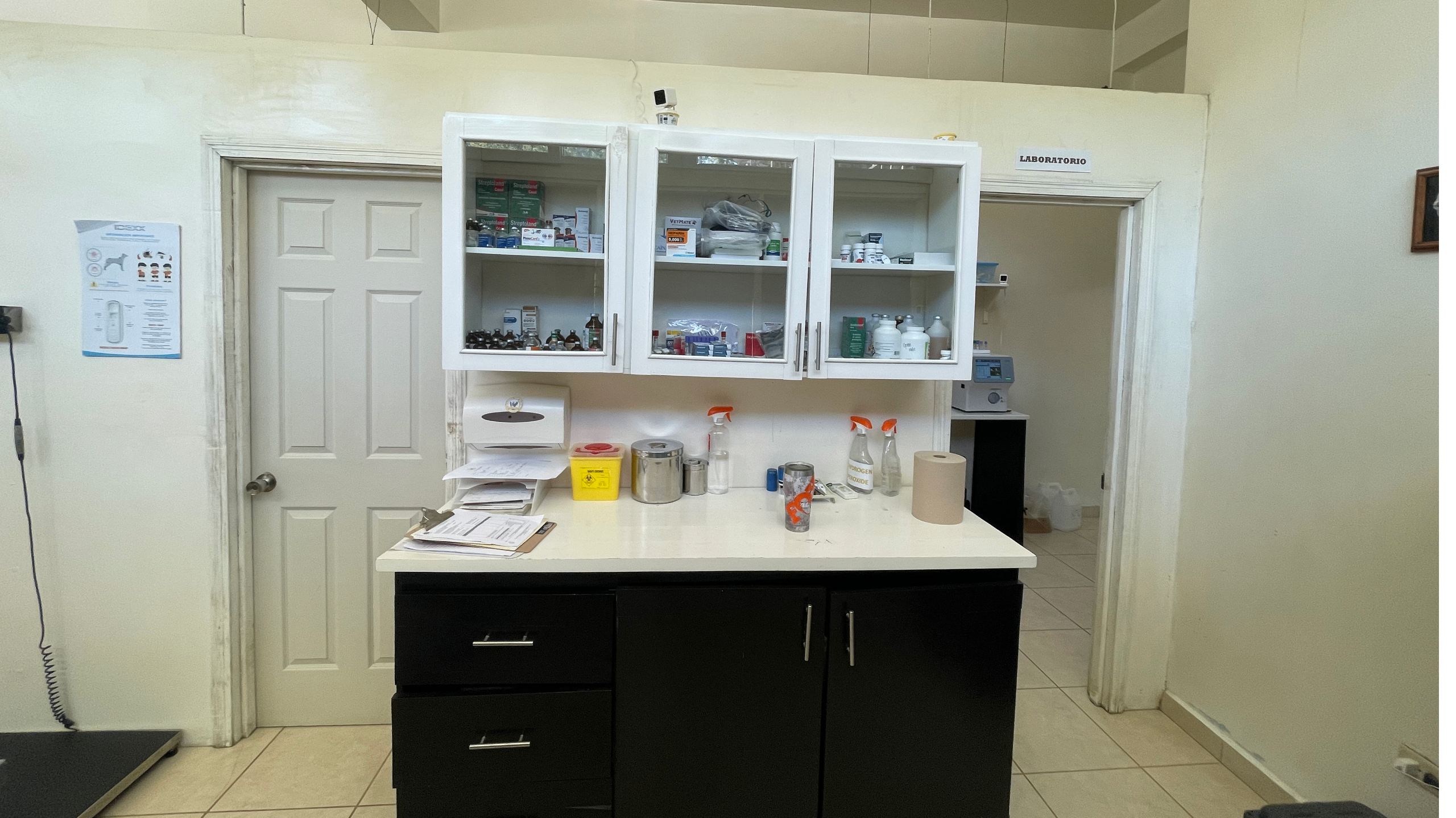
The veterinary industry needs 41,000 more vets by 2030, creating amazing opportunities for doctors ready to buy practices, whether in mainland markets or emerging locations like Roatan.
Most vets get shocked when they learn the true costs of buying a clinic go way beyond the sticker price. Here's what really determines if you'll succeed or struggle as a new owner.
Buying a vet practice means proving to lenders you understand more than just animal medicine. Banks want to see detailed business plans showing how you'll manage staff, grow the client base, and handle monthly loan payments. The purchase price includes the building, equipment, trained employees, and years of reputation that the previous owner built.
Your personal savings probably won't cover the full amount, which means you'll need to combine different loans. Banks look at vet practices as good investments because pet owners consistently spend money on animal care. Still, lenders want to see you put down 10% to 25% of the purchase price from your own pocket.
"The real challenge comes from choosing between buying just the business assets or the entire company structure," explains Roatan Real Estate Tours. "Asset purchases let you pick what you want and leave behind old problems, but equity purchases might save on taxes. You'll also need to figure out if you're buying the building or just taking over a lease."
SBA loans give veterinary buyers the best deals, with loans up to $5 million and up to 25 years to pay them back. The government backs part of these loans, which makes banks more willing to lend you money at better rates. The SBA 7(a) program works great because you can use one loan for the building, equipment, and operating money.
Getting an SBA loan takes patience because you'll need tons of paperwork, including business plans, tax returns, and financial projections. The whole process can take several months, so these loans don't work if you need to close quickly. You'll need to show the SBA you've put your own money in and tried other financing first.
Traditional banks have special loans just for buying vet practices because they know the business model works well. These loans get approved faster than SBA loans, usually within weeks instead of months, though you'll pay higher interest rates. Most banks give you seven to ten years to repay, which is shorter than government loans.
Banks will check these things about the practice:
Banks like vet practices because pet healthcare stays steady even during economic downturns.
Equipment financing helps when expensive medical machines make up a big chunk of the purchase price. The equipment itself becomes the guarantee for the loan, and lenders often cover 100% of the equipment cost. This leaves more cash in your pocket for running the business during your first months as owner.
Finding partners to buy the practice with you cuts your personal investment in half or more. Multiple owners mean shared costs and responsibilities, though you'll need lawyers to write agreements about who makes decisions and how to handle disagreements. Having partners also gives you backup when you need vacations or face emergencies.
Business credit lines work like giant credit cards that let you borrow money when unexpected expenses pop up. They're perfect for covering payroll during slow months or buying inventory when suppliers offer discounts for bulk purchases.
Smart buyers hire accountants who specialize in vet practices to examine the real financial health of the business. You need to verify that the money shown on tax returns matches what's in bank statements and appointment books. Check if expenses look normal or if the current owner is hiding problems by cutting necessary costs.
Pay attention to where the money comes from - practices with many regular clients are safer than those depending on a few big accounts. Look for opportunities to add services like grooming or boarding that can boost revenues without major investments. Understanding these details helps convince lenders you know what you're buying.
Buying a practice that owns its building gives you more control and another asset that can grow in value. When you own the property, you can use it as collateral for loans and make changes without asking a landlord. Leased locations cost less upfront but leave you vulnerable if the landlord won't renew or sells the building.
Research the neighborhood to see if it supports a thriving practice with growing pet ownership and reasonable competition. Check if clients can easily reach the location and find parking, especially for emergency visits or when bringing large dogs. Lenders care about location as much as finances because even great vets fail in bad locations.
Winning loan applications tell a story about how you'll improve the practice while paying back the loan on time. Your business plan should explain specific changes you'll make, like adding evening hours or new services that current clients want. Use realistic financial projections based on the practice's actual history, not wishful thinking about doubling revenues overnight.
Start improving your finances at least six months before looking for a practice by paying down credit cards and saving for the down payment. Organize all your financial documents in advance because banks will want tax returns, bank statements, and investment records going back several years. Buyers who prepare early get better interest rates and more loan options than those who rush.
Focus on more than just interest rates when comparing loans because other terms matter just as much for your success. Longer repayment periods mean smaller monthly payments, giving you breathing room to handle unexpected expenses or invest in growth. Watch out for prepayment penalties that stop you from paying off the loan early when business improves.
Make sure your purchase agreement lets you back out if you can't get decent financing or discover major problems during inspections. Have a lawyer who knows vet practice sales review everything because standard business contracts miss industry-specific issues. The right legal help costs money upfront, but saves you from expensive mistakes that could ruin your investment.
Becoming a practice owner takes careful planning and smart use of different financing tools designed for healthcare professionals, whether you're buying locally or exploring other buying opportunities.
Start preparing your finances now, even if you won't buy for years, because strong credit and savings expand your options and negotiating power.


