Discover what drives bush and tree trimming costs for 2026, from safety considerations to seasonal timing and property layout.
Overgrown trees and unmanaged bushes rarely become an urgent problem to solve until they block sunlight, scrape roofs, or pose safety risks. Many homeowners delay trimming because pricing feels unpredictable, leaving them unsure of when and how much they will spend.
Texas-based experts from JC's Landscaping explain that trimming costs reflect far more than labor; they include safety planning, specialized equipment, and plant health considerations. By understanding what affects pricing, homeowners can make informed decisions, prevent costly mistakes, and know when professional intervention is most advantageous.
For a typical medium-sized tree, homeowners generally pay $400-$600 per tree in major metro areas, while simpler jobs or smaller trees may cost $100-$300. Large or hard-to-access trees can run $700-$1,500+ per tree. Bush and shrub trimming is far less expensive, usually priced at $5-$20 per bush, especially when bundled with other yard work.
Unlike fixed home repairs, trimming is highly situational, with factors that change depending on property layout, plant type, and season. Two yards on the same street can require vastly different approaches and resources, making quotes appear inconsistent to homeowners.
Height, canopy spread, branch thickness, and proximity to structures all contribute to the effort needed. Professionals also consider long-term plant health, adjusting techniques to avoid damaging branches or slowing growth, which explains why higher estimates often reflect expertise rather than inflated pricing.
Homeowners frequently focus solely on plant size while overlooking critical cost drivers such as accessibility, equipment needs, and debris management. A small bush behind a fence can require more effort than a larger, easily reached hedge.
Debris disposal involves labor, fuel, and landfill or municipal fees. Skipping these steps risks plant stress, pest infestation, or municipal fines. Factoring these elements into the budget explains why professional trimming is often a safer, cost-effective choice for long-term property care.
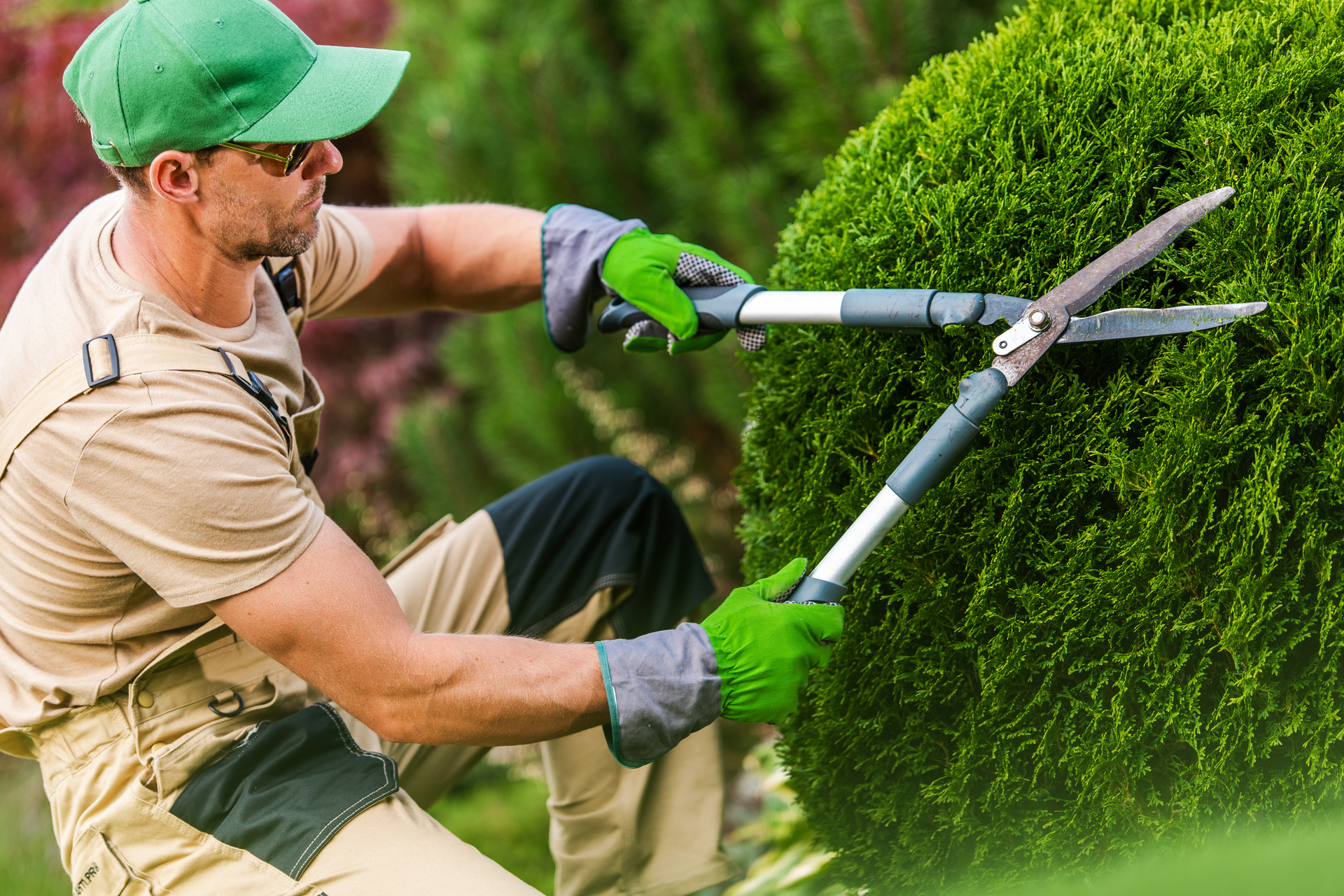
Bush trimming may appear simple, yet professional crews consider size, shape, and growth history to determine labor intensity. A neglected hedge requires corrective work that takes longer, raising the overall cost compared to well-maintained shrubs.
Accessibility also plays a major role. Crews must maneuver around walkways, fences, and other obstacles, sometimes using ladders or specialized tools. Even minor differences in access or shaping requirements can significantly influence labor time and equipment usage, ultimately affecting pricing.
Tree trimming involves greater risk, advanced technique, and specialized equipment, which generally explains higher costs compared to bush trimming. Trees often grow rapidly, requiring frequent care to prevent roof damage, interference with power lines, or safety hazards.
Branch thickness, canopy spread, and proximity to structures have as much impact on cost as height. A medium-sized tree with dense branches over a roof may demand more care than a taller tree in an open yard due to safety planning and accessibility.
Trimming healthy trees is simpler and safer than cutting trees with dead, diseased, or damaged limbs. Unstable branches increase labor time and risk, requiring careful planning and strategic cuts to avoid accidents.
Proper trimming also supports future growth by strengthening the structure and preventing overgrowth, reducing the need for emergency or corrective services. Neglecting these factors can lead to higher costs and additional interventions in the long term.
Professional trimming relies on specialized tools such as harnesses, climbing equipment, chainsaws, and bucket trucks. These tools allow crews to work safely and efficiently, particularly at height, and their use is factored into pricing.
Insurance coverage is another hidden cost. Reputable companies carry liability and worker protection, reducing homeowner risk. Lower-cost providers may cut corners, transferring risk back to the property owner, which can result in property damage or injuries.
Some homeowners attempt DIY trimming to save money, often with mixed results. Small bushes or low-hanging branches can be managed with hand tools, but improper cuts can cause uneven growth, stress, or plant death.
Tree trimming is riskier due to ladders, chainsaws, and falling limbs. Mistakes can create emergencies or require professional correction, making expert intervention far more cost-effective for taller, denser, or structurally complex trees.
Seasonal growth cycles affect trimming costs and recovery. Pruning at the wrong time can stress plants, slow growth, or cause future overgrowth, increasing the need for additional work.
Professionals consider species, climate, and growth stage when planning schedules. Peak demand may also affect pricing and availability, meaning early or strategic planning can lower costs and promote healthy regrowth.
A reliable estimate should detail labor, debris removal, shaping, and corrective cuts. Vague quotes create misunderstandings and potential disputes. Clear communication ensures homeowners understand exactly what they are paying for.
Estimates also reflect safety protocols and equipment use. Homeowners can use this information to compare providers effectively, focusing on value, quality, and long-term results rather than cost alone.
Trimming services may use per-plant or total-property pricing. Both can be fair if details are clearly outlined. Flat-rate pricing suits routine maintenance, while custom estimates accommodate larger or more complex properties with multiple obstacles and plant types.
Transparent communication about scope ensures homeowners know what to expect and can compare options confidently, avoiding surprises or incomplete work.
Urban properties often have tighter access, increasing labor demands. Suburban and rural lots may contain larger trees requiring heavy equipment. Local regulations, HOA standards, and disposal rules also influence both method and cost.
Experienced crews adapt their approach to each property’s layout, combining efficiency with safety and compliance. This ensures work meets both homeowner expectations and regulatory requirements.
Thoughtful questions help evaluate safety, expertise, and plant care. Beyond price, homeowners should consider technique, planning, and follow-up guidance.
Key questions include:
Answers provide insight into the provider’s approach, allowing homeowners to make informed decisions without risking plant health or property damage.
Trimming costs reflect more than cutting time—they incorporate safety, expertise, equipment, and plant knowledge. Understanding these factors allows homeowners to compare estimates, predict outcomes, and avoid unexpected expenses.
For those seeking healthier landscapes and safer properties, learning more about professional bush and tree trimming services provides clarity and assurance. Expert care ensures predictable results, protects investment, and supports the long-term vitality of plants. Reliable service delivers peace of mind, safety, and sustainable landscape management.


