Burbank’s new zero-waste rules tighten organics, foodware, and C&D recycling. Here’s what homes and businesses must do—and how to build simple systems that stay compliant day to day.
Burbank has stepped up its sustainability program, tightening rules on organics, foodware, and construction debris. The changes aim to cut landfill disposal, improve recycling quality, and make compliance part of daily operations.
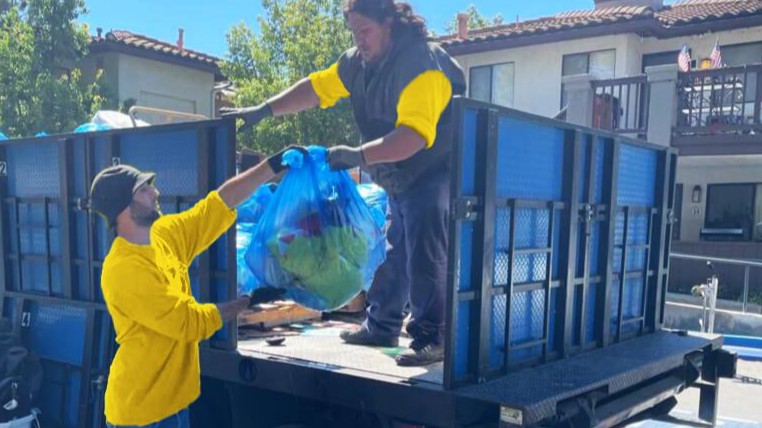
BumbleBee Junk says locals need clear steps, not jargon, to stay compliant. As a local hauler, the team explains that eco-conscious junk hauling can support sorting, documentation, and end-of-facility receipts.
The city’s Waste Reduction Regulations phase out polystyrene and require compostable or recyclable foodware starting in 2024. California’s SB 1383 also requires organics collection and low contamination (SB 1383 organics recycling).
Homes and businesses should expect three visible streams—organics, recycling, and trash—with picture-based signage. Food-facing sites should confirm vendors meet the new foodware rules and keep proof of compliant items on file for inspections.
Projects that generate C&D waste should plan diversion early, not at the dump gate. California’s CALGreen code sets baseline diversion targets and documentation practices.
Contractors can list destinations for concrete, metal, wood, and drywall before demolition starts. Collecting weight tickets, manifests, and photos of source separation helps verify compliance, close out permits smoothly, and reduce the risk of rework or citations at the end of a project
Local contractors are advised to start with color-coded bins and bilingual signs at the point of waste. They can conduct a short team briefing at the start, and schedule quarterly refreshers that highlight common contamination mistakes, such as bagged organics or greasy cardboard in recycling.
They also need to ask their hauler for an approved-facility list and what they accept by material. It is also recommended that they keep an electronic folder for service agreements, pickup logs, and receipts to answer questions quickly during routine inspections.
Compliance sticks when it’s easy and measured. Set a monthly walkthrough to photograph bins, update signage, and log fixes; after 90 days, you’ll have a record that shows effort and improvement.
Burbank’s zero-waste program is ambitious but workable with a clear plan and steady measurement. Consistent sorting, basic documentation, and adherence to zero-waste junk removal practices help homes and businesses stay aligned with city rules.


