Looking to sustain your heritage organization? With 46% operating on tight budgets, the right membership program can boost donor value by 42%. Lifestyle Fundraiser offers a turnkey solution with travel and entertainment perks members actually use, creating consistent monthly revenue while preserving cultural authenticity.
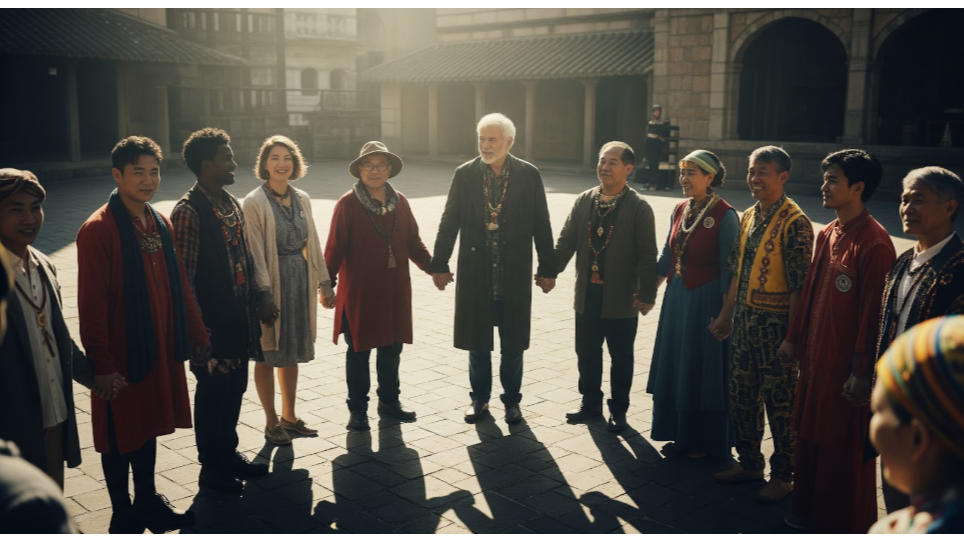
Heritage organizations face a challenging paradox. While they serve as vital custodians of cultural traditions, nearly half operate on annual budgets under $100,000, creating constant financial pressure that threatens their preservation mission. This financial vulnerability is particularly pronounced among organizations affiliated with Black/African American and Hispanic communities.
For these groups, traditional funding follows a familiar but unstable pattern: earned revenue (60%), private contributions (30%), and government funding (10%). However, unlike mainstream nonprofits, cultural heritage organizations often depend more heavily on government support—which can represent 20% or more of their total funding but remains subject to policy shifts and budget cuts.
Sustainable monthly revenue represents the ideal goal for heritage organizations. With consistent income, these groups can shift from survival mode to long-term planning, investing in both preservation activities and growth initiatives that expand their cultural impact. Organizations like Lifestyle Fundraiser have developed fresh approaches to help heritage groups establish dependable revenue streams while honoring their cultural missions.
Successful heritage organizations implement multi-level membership programs that create value at every price point. The Greek Heritage Society of Southern California, for example, offers memberships ranging from $50 to $1,000 annually, with each tier providing increasing access to cultural archives and exclusive events.
Research shows donors who set up recurring donations give 42% more annually than those making one-time contributions. This dramatic difference stems from two factors: the psychological ease of smaller monthly payments versus larger one-time donations, and the ongoing relationship that develops between the organization and regular contributors.
Traditional membership benefits like newsletters and event discounts have their place, but today's supporters seek tangible value that enhances their daily lives. Heritage organizations that offer practical lifestyle benefits see dramatically higher retention rates and member satisfaction.
The Chinese American Museum in Los Angeles boosted membership retention by 35% after adding dining discounts at local Asian restaurants to their member benefits. Similarly, a Native American cultural center in Arizona saw membership double after partnering with local businesses to offer authentic craft workshops exclusively for members.
Effective pricing strikes a balance between accessibility and value. Based on industry benchmarks, successful heritage organizations typically structure their membership tiers as follows:
Each tier should offer clear additional value that justifies the price increase, with careful attention to both tangible benefits and emotional rewards like recognition and exclusive access.
Reliable payment processing forms the backbone of any membership program. Modern heritage organizations need systems that can:
Even small organizations with limited technical resources can implement these systems. The Polish American Historical Association successfully transitioned from paper-based annual dues to a digital recurring payment system using affordable software, increasing their reliable monthly revenue by 67% while reducing administrative work.
The Lifestyle Fundraiser model takes a fundamentally different approach to membership programs. Unlike traditional models where the organization receives membership fees directly, Lifestyle Fundraiser generates revenue through new member sign-ups and an innovative peer referral system.
Here's how it works: When a heritage organization partners with Lifestyle Fundraiser, they receive revenue for each new member who joins through their community. More importantly, they earn ongoing income as those members refer others, creating a continuously expanding network of supporters.
This peer-to-peer approach transforms existing supporters into active advocates. Each time they share membership benefits with friends, family, and colleagues, they expand the organization's reach while simultaneously generating revenue—without requiring additional marketing expenditure from the heritage group.
The Lifestyle Fundraiser membership offers substantial real-world benefits that supporters value in their daily lives:
These practical benefits maintain high engagement levels because members interact with them regularly. Rather than a membership card that sits unused in a wallet, Lifestyle Fundraiser perks become integrated into members' everyday spending, reinforcing their connection to the heritage organization with each use.
For heritage organizations with limited staff and resources, Lifestyle Fundraiser's model is particularly valuable because it requires minimal administrative overhead:
The platform handles the technical and operational aspects of the membership program, allowing even the smallest heritage organization to implement a sophisticated recurring revenue system without expanding their team or developing technical expertise.
The pandemic dramatically accelerated digital transformation in the cultural sector, with 92% of heritage organizations now offering some form of digital programming. This shift created new revenue opportunities that extend far beyond geographical limitations.
Virtual events allow heritage organizations to:
The Polish Heritage Association of Maryland pivoted to virtual cooking classes during the pandemic, teaching traditional recipes to participants across North America. Their monthly Polish cooking series now reaches a broader audience than their previous in-person workshops while generating consistent revenue.
Educational content represents one of the most valuable assets heritage organizations possess. Cultural knowledge, traditional practices, language instruction, and historical context can all be monetized through structured online programs.
Successful approaches include:
The Japanese Cultural Center of Hawaii developed a subscription-based digital archive providing access to historical documents, photographs, and oral histories. Their tiered access model supports their mission of preserving and sharing Japanese American history in Hawaii while creating a sustainable revenue stream.
Heritage organizations possess specialized cultural knowledge that has significant value to businesses, educational institutions, and government agencies. By packaging this expertise as consulting services, organizations can generate substantial revenue while advancing cultural understanding.
Examples include:
The Latino Cultural Center in Dallas established a consulting division that provides cultural competency training to healthcare providers. Their workshops on Latino cultural practices related to health and wellness improve healthcare outcomes for their community while creating a valuable revenue stream.
Heritage tourism represents a multi-billion-dollar market in the United States, with travelers increasingly seeking authentic cultural experiences. Heritage organizations are uniquely positioned to develop tourism programs that showcase their cultural traditions while generating significant revenue.
Successful heritage tourism initiatives include:
The Gullah Heritage Trail Tours in South Carolina offers guided tours highlighting Gullah Geechee culture and history. By showcasing authentic cultural experiences led by community members, they create meaningful connections while establishing a sustainable revenue stream.
Traditional crafts and artistic practices represent both cultural heritage and potential revenue streams. Heritage organizations can consider monetizing these skills through:
Many cultural centers have found success with craft workshops that teach traditional techniques—from Indigenous beadwork to Chinese calligraphy—creating both cultural preservation opportunities and revenue.
Cultural festivals and events often serve as heritage organizations' most visible activities and potentially their largest revenue generators. Milwaukee's ethnic festivals, for example, generated an estimated $68 million in economic impact, demonstrating the substantial value these cultural celebrations create.
Approaches that might maximize festival revenue include:
Many heritage festivals have found success by creating VIP experiences that offer deeper cultural immersion opportunities while generating additional revenue through premium pricing.
Product sales represent a significant revenue opportunity for heritage organizations when those products authentically reflect cultural traditions and provide meaningful connections to heritage.
Cultural merchandise that typically resonates includes:
Organizations like the Museum of Chinese in America have developed product lines that thoughtfully blend traditional elements with contemporary design, creating items that appeal to a broad audience while maintaining cultural integrity.
Creating sustainable revenue streams while maintaining cultural authenticity presents a delicate balance for heritage organizations. Success often comes from thoughtful consideration of how commercial activities align with cultural values and organizational mission.
Community involvement typically strengthens both cultural authenticity and financial outcomes. Many heritage organizations have found value in:
The most sustainable heritage organizations often demonstrate a clear commitment to reinvesting revenue into preservation activities. This creates a virtuous cycle where commercial success directly supports cultural sustainability through:
Tracking both financial and cultural metrics can help ensure balanced organizational development. Effective measurement typically includes both financial indicators (like monthly recurring revenue growth) and cultural impact indicators (such as community engagement levels and intergenerational participation).
For heritage organizations looking to implement sustainable revenue strategies, a phased approach often works best:
The journey from financial struggle to sustainability represents a transformation not just in an organization's finances, but in its relationship with supporters and its community impact. By thoughtfully implementing diverse revenue strategies while honoring cultural traditions, heritage organizations can secure both their financial future and their cultural legacy.
Lifestyle Fundraiser helps heritage groups turn cultural pride into sustainable monthly revenue through membership benefits that supporters genuinely value in their everyday lives.
If you need to raise money for your organization. Click here.


