Your toilet backing up when you run the washing machine isn’t just annoying—it’s a warning sign of a potentially catastrophic sewer line break that could cost you thousands in emergency repairs and property damage.
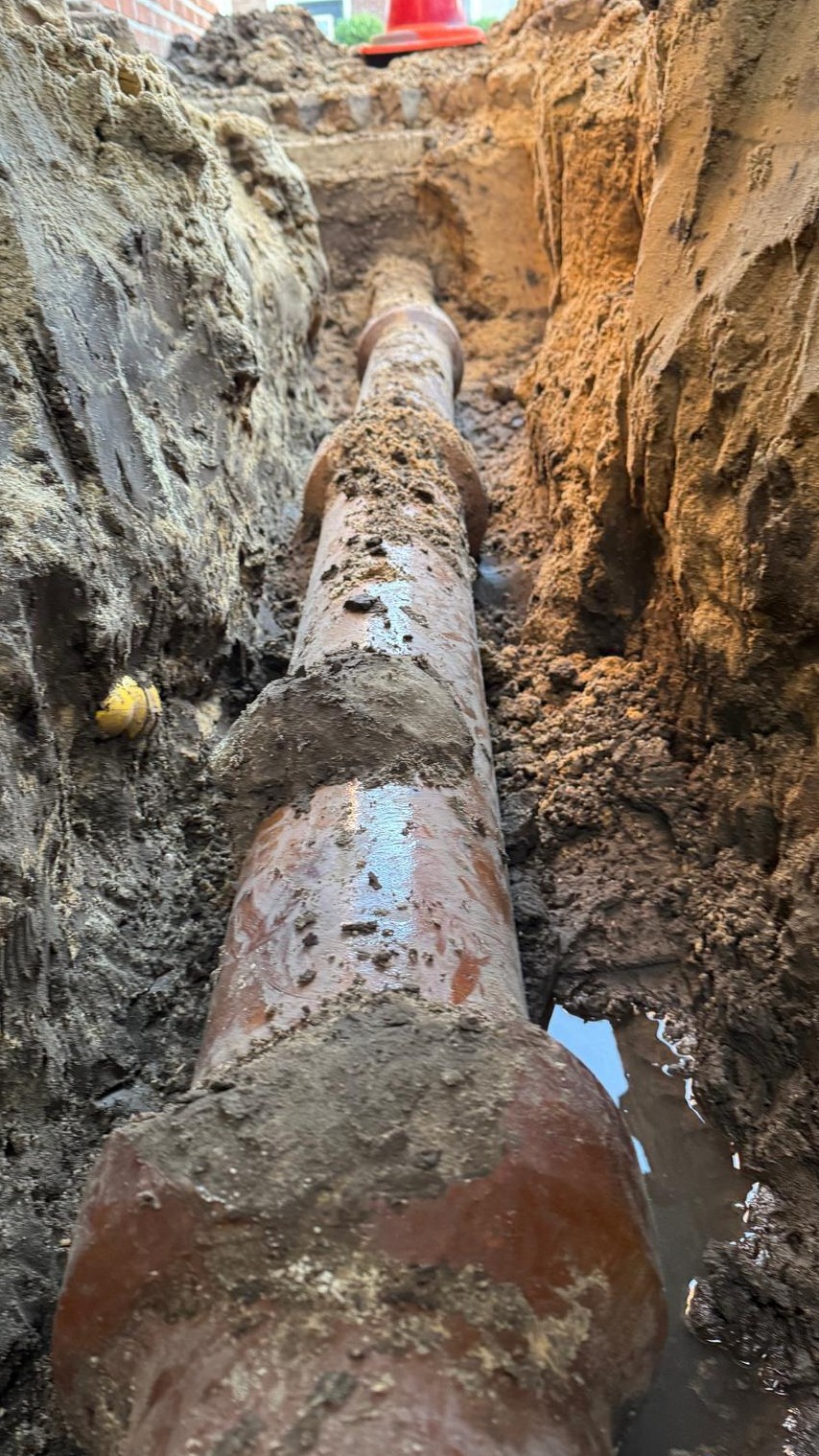
A broken sewer line represents one of the most disruptive and expensive plumbing emergencies homeowners face. Understanding the warning signs, underlying causes, and available repair options empowers property owners to make informed decisions when disaster strikes. Early detection and professional assessment can mean the difference between a manageable repair and a major excavation project that disrupts your entire property.
Multiple fixtures draining slowly or backing up simultaneously signals a serious problem downstream in your main sewer line. When running the washing machine causes your toilet to overflow or your laundry sink to back up, the issue extends far beyond a simple clog. These symptoms indicate that wastewater has nowhere to go, creating pressure that forces sewage back through your home's lowest drains.
Strange odors emerging from drains, particularly sewage smells in your yard or basement, point to compromised pipe integrity. A broken sewer line allows gases and waste to escape underground, creating persistent foul odors that worsen during warm weather. Gurgling sounds from toilets when other fixtures drain also suggest air displacement caused by partial blockages or damaged pipes.
Unexpectedly lush, green patches of grass in your yard may indicate a broken sewer line acting as underground fertilizer. This natural fertilization creates distinct areas of accelerated plant growth, often accompanied by soggy ground or standing water during dry periods. Professional sewer line inspection services can pinpoint the exact location and extent of damage before problems escalate into major property damage.
Insect infestations, particularly around drains or in basements, can signal sewer line cracks that provide entry points for pests seeking moisture. Foundation cracks or settling may also result from soil erosion caused by leaking sewer lines, creating structural concerns that extend far beyond plumbing issues.
Understanding the root causes of sewer line failure helps homeowners assess their risk and implement preventive measures. Three primary factors contribute to the majority of sewer line breaks, each presenting unique challenges and repair considerations.
Experts like Point Loma Home Pros say that tree roots are the leading cause of sewer line damage, particularly in older neighborhoods with mature landscaping. Root systems naturally seek moisture and nutrients, making sewer lines irresistible targets. Small feeder roots initially enter through pipe joints or minor cracks, then expand rapidly once they access the nutrient-rich environment inside.
Clay and concrete pipes, common in homes built before the 1980s, are especially vulnerable to root intrusion. These materials develop small gaps at joints over time, providing entry points that roots exploit aggressively. Once established inside the pipe, roots act like nets, catching toilet paper and waste until complete blockages form.
Large trees planted within 10 feet of sewer lines pose the greatest risk, with oak, maple, and willow trees being particularly aggressive in their root growth. Even trees planted decades after original construction can eventually reach and compromise sewer lines as their root systems expand.
Cast iron and clay pipes deteriorate naturally over time, with most reaching critical failure points after 50-70 years of service. Cast iron pipes corrode from both inside and outside, developing holes that allow soil infiltration and root intrusion. Clay pipes become brittle and crack under ground pressure, particularly at joints where separate sections connect.
Chemical reactions between waste products and pipe materials accelerate deterioration in older systems. Hydrogen sulfide gas produced by decomposing waste creates sulfuric acid that eats away at pipe walls, particularly in cast iron systems. This process creates rough interior surfaces that catch debris and promote blockages.
Modern PVC pipes resist corrosion but can still fail due to manufacturing defects, improper installation, or extreme temperature fluctuations. However, PVC systems typically last 50-100 years when properly installed, making material upgrades a worthwhile long-term investment.
Soil movement caused by drought, flooding, earthquakes, or poor compaction during construction can misalign sewer pipes and create low spots called "bellies." These depressions collect waste and debris, creating persistent blockage points that worsen over time.
For example, clay soil, common throughout San Diego County, expands and contracts significantly with moisture changes, placing tremendous stress on buried pipes. Extended drought periods cause soil to shrink and settle, while heavy rains create expansion pressure that can crack or shift pipe sections.
Poor initial installation, including inadequate bedding material or improper slope grades, makes pipes vulnerable to ground movement. Pipes installed without proper support or at incorrect angles cannot maintain proper flow rates, leading to chronic backup issues and accelerated wear.
Modern sewer line repair offers multiple approaches, each with distinct advantages, limitations, and cost structures. Understanding these options helps homeowners make informed decisions based on their specific situation, budget, and long-term plans.
Traditional excavation remains the most thorough repair method, involving digging trenches to access damaged pipe sections directly. This approach provides complete visibility of the problem area and allows for thorough pipe replacement with modern materials. Contractors can address multiple issues simultaneously, including correcting improper slopes and upgrading to larger diameter pipes.
However, excavation costs extend far beyond the basic per-foot pricing. Landscape restoration, including replacement of driveways, patios, sprinkler systems, and mature plants, can double or triple total project costs. Permit requirements and utility location services add additional expenses that many homeowners don't anticipate.
Despite higher overall costs, excavation makes sense when extensive damage requires complete system overhaul or when trenchless methods aren't technically feasible. Properties with severely collapsed pipes, multiple breaks, or significant grade corrections typically benefit most from traditional excavation approaches.
Pipe bursting offers an advanced solution that replaces entire sewer lines without extensive excavation. This method involves pulling a new pipe through the existing damaged line while simultaneously fracturing the old pipe outward. The process requires access points at both ends but leaves most of the yard undisturbed.
This technique works exceptionally well for straight runs with minimal direction changes, making it ideal for main sewer lines running from house to street connection. Pipe bursting can accommodate diameter increases, allowing upgrades from 3-inch to 4-inch lines without additional excavation.
Limitations include inability to handle tight bends or multiple direction changes, and requirements for adequate clearance around existing pipes. Severely collapsed pipes may not provide sufficient space for the bursting head to pass through, necessitating spot excavations or alternative approaches.
Cured-in-place pipe lining (CIPP) creates a new pipe within the existing damaged pipe using resin-saturated fabric tubes. After insertion, the liner is inflated and cured with heat or UV light, forming a seamless, corrosion-resistant pipe that can last 50+ years.
CIPP works best for pipes with structural integrity that have localized damage or minor root intrusion. The process handles moderate bends and direction changes well, making it suitable for complex residential sewer systems. Installation typically completes within one day with minimal property disruption.
The main limitation involves diameter reduction, as the new liner occupies space within the original pipe. A 4-inch pipe lined with CIPP results in approximately 3.5-inch internal diameter, which may impact flow capacity in marginal systems. Additionally, severely damaged or collapsed pipes cannot support the lining process effectively.
San Diego's unique geography, soil conditions, and permit requirements create specific cost considerations for complete sewer line replacement projects. Understanding local factors helps homeowners budget accurately and avoid unexpected expenses during construction.
Complete sewer line replacement costs in San Diego average around $5319, though projects can range from $2225 for simple, short repairs to $10,000 for complex, full-system replacements. Most residential projects fall within the $2,500-$5,000 range, reflecting the region's moderate complexity and competitive contractor market.
Typical residential projects involve replacing 40-80 feet of sewer line from the house to the street connection. At $50-$250 per linear foot, material and labor costs form the project foundation, with additional expenses for permits, inspections, and utility coordination.
San Diego's permit requirements add $200-$500 to most projects, while utility location services typically cost $100-$300. These seemingly small expenses accumulate quickly, particularly when multiple inspections or permit modifications become necessary during construction.
Several factors can substantially increase final project costs beyond basic per-foot pricing. Depth requirements represent a major cost driver, as San Diego's varied topography sometimes necessitates excavations exceeding 8 feet to maintain proper slope grades to street connections.
Access challenges significantly impact pricing, particularly for homes with limited yard access or established landscaping. Projects requiring hand digging around mature trees or working through narrow side yards can double labor costs compared to open-access installations.
Unexpected discoveries during excavation, such as conflicting utilities, contaminated soil, or previously unknown pipe damage, can add substantial costs to original estimates. Rock or hardpan soil conditions, common in certain San Diego neighborhoods, require specialized excavation equipment that increases hourly labor rates.
Connection complications at the street main can create substantial additional costs, particularly when city infrastructure upgrades are required simultaneously. Some older neighborhoods require homeowners to upgrade their connection points to meet current codes, adding $2,000-$5,000 to total project costs.
The decision between repair and replacement depends on multiple factors including pipe age, extent of damage, frequency of problems, and long-term property plans. Professional camera inspection provides vital information for making this determination, revealing the exact condition and location of problems throughout the system.
Repair makes sense for newer pipes with localized damage, such as single root intrusions or isolated cracks. If your sewer line is less than 30 years old and problems are confined to specific areas, targeted repairs using trenchless methods often provide cost-effective solutions with minimal disruption.
Replacement becomes the better choice when pipes show multiple problem areas, frequent recurring blockages, or fundamental structural issues. Homes with cast iron or clay pipes exceeding 50 years typically benefit from complete replacement, as aging infrastructure will continue generating problems regardless of spot repairs.
Consider replacement when repair costs approach 50% of replacement costs, particularly if you plan to remain in the home long-term. Multiple repair cycles over several years often exceed the cost of single replacement project while providing inferior long-term reliability.
Property value considerations also influence the decision, as modern sewer systems add value and appeal to potential buyers. Homes with documented sewer line replacement using modern materials often command higher prices and sell more quickly than properties with aging infrastructure.
Professional sewer line assessment begins with thorough camera inspection that reveals exact problem locations, extent of damage, and optimal repair approaches. Advanced diagnostic equipment allows technicians to identify issues that aren't visible from surface symptoms, ensuring accurate problem diagnosis and appropriate solution selection.
Experienced contractors provide detailed cost estimates that account for your county's specific permit requirements, soil conditions, and access challenges. They understand local codes and can handle city inspection processes efficiently, preventing delays and additional costs that often plague DIY attempts or inexperienced contractors.
Quality contractors offer multiple repair options with honest assessments of each approach's suitability for your specific situation. They explain the pros and cons of different methods, helping homeowners make informed decisions based on budget, timeline, and long-term goals rather than simply pushing the most expensive option.
Professional installation includes proper permits, inspections, and warranties that protect your investment. Reputable contractors stand behind their work with strong warranties and provide ongoing support for any issues that arise during the warranty period.
When sewer line problems threaten your home's comfort and value, trust local professionals for the best solutions.


