Think building serious muscle at home means sacrificing the intensity of gym training? The bro split method dedicates entire sessions to single muscle groups, but success hinges on avoiding one critical mistake that kills most people’s progress.
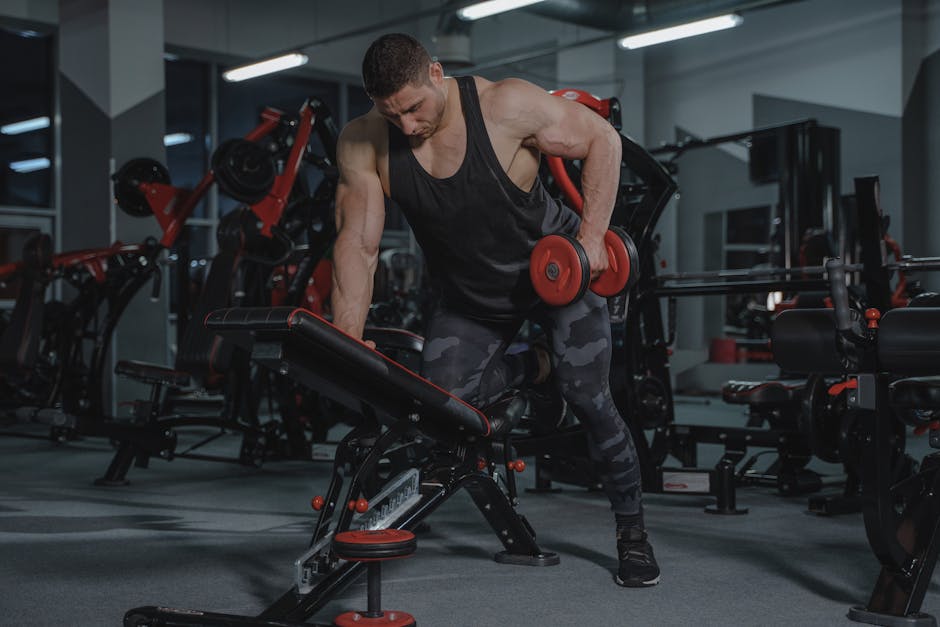
Building serious muscle at home doesn't require sacrificing the intensity and focus that makes bodybuilding-style training so effective. The bro split workout system transforms any space into a muscle-building powerhouse by dedicating entire training sessions to individual muscle groups. This targeted approach allows for the high volume and specialized exercises that drive significant hypertrophy gains.
The bro split operates on a simple but powerful principle: complete muscle exhaustion through dedicated focus. By training each muscle group only once per week, this approach provides ample recovery time while allowing maximum intensity during each session. Studies suggest that muscle growth can be achieved effectively with training frequencies ranging from one to four times per week, provided total weekly volume remains consistent.
This training style excels at developing the mind-muscle connection that separates average lifters from serious physique builders. When an entire workout targets chest development, for example, every exercise selection, rep scheme, and rest period serves that singular goal. SOLE Fitness offers equipment designed to support intensive single-muscle-group training sessions, providing tools specifically created for home gym success.
The aesthetic benefits cannot be overstated. Bro splits prioritize muscle symmetry and proportionality, allowing lifters to address weak points through targeted volume increases. This makes the system particularly valuable for individuals seeking the classic bodybuilding physique characterized by balanced development across all major muscle groups.
The traditional bro split follows a methodical weekly progression that maximizes both training stimulus and recovery. Each day typically targets a specific muscle group with 4-6 exercises, 12-20 sets total, and 45-90 minutes of focused training, though individual needs may vary. This structure allows complete fiber recruitment while providing six full days of recovery before the next session.
Chest development requires attacking the pectoral muscles from multiple angles. Begin with compound movements like barbell or dumbbell bench press for 4 sets of 6-8 reps, focusing on progressive overload. Follow with incline pressing movements to target upper chest fibers, then finish with isolation exercises like chest flies or cable crossovers. The key lies in varying grip widths, bench angles, and rep ranges throughout the session to stimulate different muscle fibers.
Back training demands both vertical and horizontal pulling patterns for complete development. Start with deadlifts or rack pulls for posterior chain activation, then move to pull-ups or lat pulldowns for width. Incorporate rowing movements like bent-over rows, seated cable rows, or single-arm dumbbell rows for thickness. Target 15-20 total sets across 4-5 exercises, emphasizing the stretch and contraction phases for maximum fiber recruitment.
Leg day requires the highest energy expenditure and longest recovery period in the bro split system. Begin with compound movements like squats or leg press for quadriceps development, followed by deadlift variations for hamstring and glute activation. Include isolation work like leg extensions, leg curls, and calf raises to address specific muscle groups. Expect 20-25 sets across 5-6 exercises, with rest periods extending to 3-4 minutes between heavy compound sets.
Deltoid development creates the coveted V-taper that defines physique aesthetics. Structure shoulder sessions around overhead pressing movements for overall mass, then target individual deltoid heads through lateral raises, front raises, and rear deltoid flies. Include trap development through shrugs and upright rows. The shoulder joint's complexity requires careful attention to form and moderate weights to prevent injury while maximizing muscle activation.
Arm training provides the satisfying pump that epitomizes bro split culture. Alternate between biceps and triceps exercises to maintain intensity while allowing brief recovery. Focus on compound movements like close-grip bench press and barbell curls, supplemented with isolation work like triceps extensions and concentration curls. Target 16-20 sets total, emphasizing the eccentric (lowering) portion of each rep for maximum hypertrophy stimulus.
Life rarely accommodates perfect training schedules. Successful bro split practitioners develop flexibility within structure. If work demands prevent Friday arm training, shift to Saturday and adjust accordingly. The key principle remains: maintain at least 48 hours between training the same muscle group. Some lifters prefer training Sunday through Thursday, leaving weekends free for social activities. Others rotate the schedule weekly to accommodate varying commitments.
Home bro split success depends on equipment versatility rather than gym-style specialization. The goal involves maximizing exercise variety within space and budget constraints while maintaining progressive overload capabilities.
Adjustable dumbbells form the foundation of home bro split training, providing weight ranges from 5-50+ pounds per hand for complete muscle development. A quality adjustable bench enables incline, decline, and flat pressing angles essential for chest and shoulder training. Resistance bands offer variable resistance curves perfect for isolation exercises and muscle activation work.
Pull-up bars or suspension trainers address vertical pulling requirements for back development, while resistance bands or cable systems provide horizontal pulling options. For legs, bodyweight squats progress to weighted variations using dumbbells or resistance bands. A barbell with weight plates, though space-intensive, dramatically expands exercise options for serious home gym enthusiasts.
Progressive overload drives muscle growth, but home equipment limitations require creative solutions. Increase resistance through additional weight, higher rep ranges, slower tempo execution, or reduced rest periods. Resistance bands offer variable tension that challenges muscles differently throughout the range of motion. Drop sets, supersets, and pre-exhaustion techniques maximize muscle stimulation without requiring heavier weights.
Time under tension becomes crucial when weight increases aren't possible. Slow 4-second negative reps dramatically increase muscle activation compared to normal speed repetitions. Pause reps at the bottom of movements eliminate momentum and force pure muscle contraction. These intensity techniques often prove more effective than simply adding weight plates.
Recovery separates successful bro split practitioners from those who plateau after initial gains. The high volume and intensity inherent in single-muscle-group training demands systematic recovery protocols.
Sleep quality directly correlates with muscle protein synthesis rates and growth hormone release. Target 7-8 hours of uninterrupted sleep nightly for most individuals, with consistent bedtimes to optimize circadian rhythm. Sleep deprivation reduces testosterone levels and increases cortisol, directly sabotaging muscle growth efforts.
Rest days require active planning beyond simple inactivity. Light mobility work, gentle yoga, or 20-30 minute walks promote blood flow without adding training stress. Avoid the temptation to train on scheduled rest days, as muscle growth occurs during recovery periods, not during workouts themselves.
Muscle growth demands adequate raw materials through strategic nutrition timing and macronutrient distribution. Consume 1.6-2.2 grams of protein per kilogram of body weight daily, distributed across 4-6 meals for optimal muscle protein synthesis, though some research suggests higher intakes may provide additional benefits. Complete proteins containing all essential amino acids prove most effective for muscle building.
Carbohydrates fuel high-intensity training sessions essential for bro split success. Target 3-5 grams per kilogram of body weight, emphasizing complex carbohydrates around training sessions for workout fuel and glycogen replenishment. Healthy fats support hormone production and overall health at 0.8-1.2 grams per kilogram body weight, though individual needs may vary and fat quality matters significantly. Time carbohydrate intake around workouts while distributing protein evenly throughout the day.
Even experienced lifters fall into predictable traps that undermine bro split effectiveness. Recognition and correction of these errors often restart stalled progress within weeks.
The allure of isolation exercises and muscle pumps can overshadow the mass-building potential of compound movements. Squats, deadlifts, bench press, and overhead press should anchor each respective training day before moving to isolation work. These exercises allow heavier loading and recruit more total muscle mass than isolation alternatives.
Structure each session with 1-2 compound movements first, when energy levels peak, then progress to isolation exercises for targeted muscle development. This approach maximizes both strength gains and muscle hypertrophy while preventing the common plateau associated with isolation-heavy programming.
Bro splits depend on consistent weekly training patterns for optimal results. Skipping chest day disrupts the following week's schedule and reduces weekly training volume. Missing leg day seems tempting but eliminates the highest growth hormone and testosterone release of the training week.
Consistency trumps perfection in bro split success. A shortened 30-minute session proves more valuable than missing training entirely. Develop backup 20-30 minute routines for time-constrained days rather than skipping sessions completely. The weekly rhythm of training and recovery creates the physiological adaptations that drive muscle growth.
SOLE Fitness offers equipment designed for strength training and muscle development. Their SW180 Adjustable Dumbbells eliminate space constraints while providing seamless weight progression from 5-80 pounds per hand. This range accommodates both isolation exercises and heavy compound movements essential for bro split success.
Alternatively, their SRVO All-in-One Trainer uses motorized resistance technology for home strength training that adapts to individual strength curves. This versatility supports every aspect of bro split training, from heavy pressing movements to precise isolation work. The integrated design maximizes workout variety within minimal floor space.
Beyond equipment, the SOLE+ app provides access to guided workouts designed for strength training progression. Professional trainers demonstrate proper form while providing motivation and accountability often missing from home workouts. This approach ensures equipment investment translates to measurable results.
Transform your fitness goals into reality with SOLE Fitness's complete home gym solutions designed for serious strength training and muscle development.


