Choosing between traditional braces and clear aligners for your child involves considering severity, compliance, lifestyle, and budget factors that impact treatment success and timeline.
Many children need orthodontic treatment, yet parents often face a puzzling choice: traditional metal braces or those nearly invisible clear aligners? You've probably watched other families wrestle with this decision while your own child's crooked smile stares back at you from school photos.
Your teenager begs for "invisible" braces after seeing classmates with clear aligners, while your dentist mentions that metal braces might work better. Meanwhile, you're wondering about costs, treatment time, and whether your child will actually wear removable aligners consistently.
The challenge gets trickier when you consider your child's personality, lifestyle, and specific dental issues, some problems require the steady pressure that only traditional braces provide, while others respond well to clear aligner systems.
The experts from Federal Way-based clinic Sean Liu Orthodontics explain that traditional braces excel at correcting severe crowding, significant bite issues, and teeth that need major repositioning. "The metal brackets and wires deliver consistent pressure that can move teeth in multiple directions simultaneously," they say. "If your child has overlapping teeth, severe spacing issues, or needs jaw alignment correction, metal braces typically produce better results."
You'll find that traditional systems work around the clock without requiring your child's cooperation. Once attached, they're working constantly to shift teeth into proper positions.
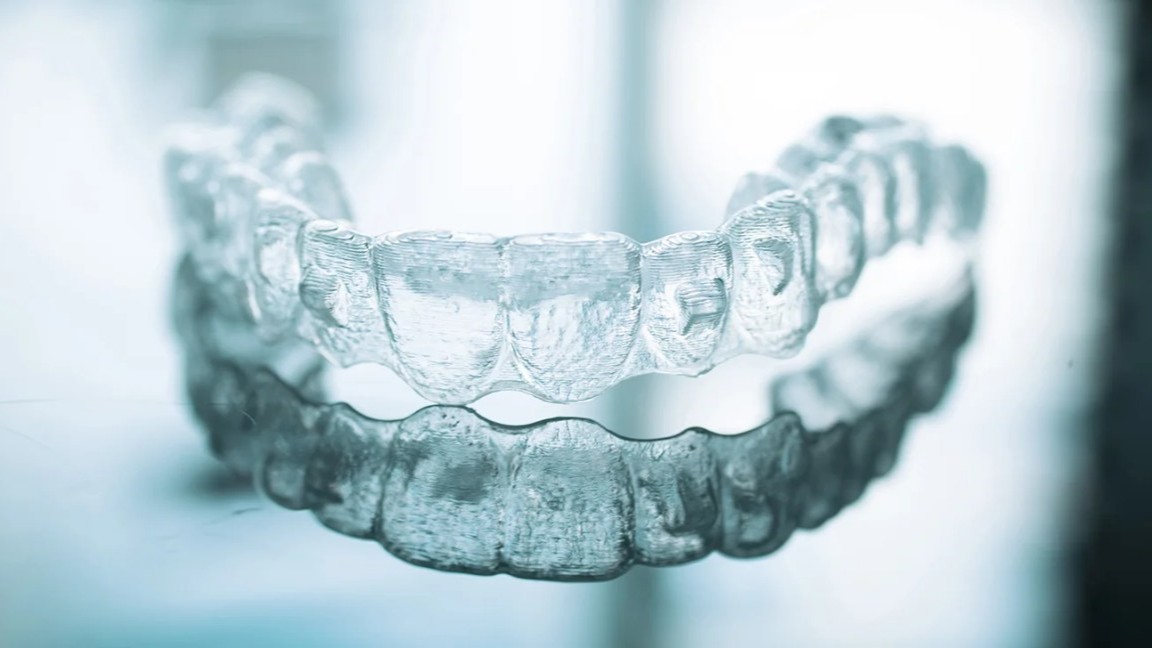
Clear aligner systems like Invisalign work well for mild to moderate spacing problems, minor crowding, and simple bite corrections, Sean Liu Orthodontics adds. These plastic trays gradually shift teeth using gentle, controlled pressure. If your child's issues involve primarily front teeth alignment or minor gaps, clear aligners often achieve excellent results.
The treatment involves wearing a series of custom trays, each slightly different from the previous one, progressively moving teeth toward their final positions.
Clear aligners require significant responsibility from your child. They must wear the trays 22-23 hours daily, removing them only for eating, drinking anything other than water, and cleaning teeth. Unfortunately, missing wear time directly impacts treatment effectiveness and duration.
Your teenager needs to track their progress, switch to new trays on schedule, and maintain proper oral hygiene, and although some children thrive with this responsibility, others struggle with the commitment required.
Traditional braces affect eating habits since certain foods can damage brackets or wires. Your child will need to avoid sticky candies, hard foods, and items requiring biting into, like apples or corn on the cob, and sports participation may require protective mouthguards to prevent injury. Clear aligners offer more freedom during meals since you remove them completely before eating. Your child can enjoy all their favorite foods without restrictions, but they should brush their teeth after every meal before reinserting the aligners to prevent staining and decay.
Traditional braces often complete treatment faster for complex cases, typically ranging from 18 months to three years, depending on severity. The continuous pressure means consistent progress without gaps in treatment.
Clear aligner treatment duration varies widely based on compliance and case complexity. Responsible patients who wear aligners as directed often see results within 12-24 months for suitable cases. However, poor compliance can extend treatment significantly.
Metal braces can address virtually any orthodontic issue, from simple spacing to complex jaw misalignment. They're particularly effective for rotating teeth, closing large gaps, and correcting severe bite problems.
Clear aligners work exceptionally well for their intended applications but have limitations. They struggle with significant vertical tooth movement, severe rotations, and complex bite corrections that require precise control.
Treatment costs vary based on complexity, duration, and your chosen provider. Traditional braces often cost less upfront, while clear aligner systems may carry higher fees due to technology and materials involved.
Most dental insurance plans cover orthodontic treatment equally, regardless of the method chosen, though you should verify coverage details with your provider. Many practices offer payment plans to make treatment more affordable for families.
During consultations, orthodontists explain treatment timelines, expected outcomes, and maintenance requirements for each approach and help families understand which option offers the best combination of effectiveness and practicality for their situation. Take time to discuss options thoroughly with qualified professionals who understand your family's priorities and your child's dental requirements.
Consider your child's current habits with retainers, contact lenses, or other removable items requiring daily attention. Children who consistently follow routines and take care of their belongings typically adapt well to clear aligner requirements, most orthodontists recommend clear aligners for children 12 and older who demonstrate maturity and commitment.
Clear aligners effectively treat mild to moderate crowding, spacing issues, and minor bite problems. However, traditional braces handle severe misalignment, complex bite corrections, and significant tooth rotations more effectively. Your orthodontist will evaluate your child's specific needs to determine which option provides optimal results.
Most clear aligner treatments include replacement policies for lost or damaged trays. Contact your orthodontist immediately if aligners are lost, as extended time without wear can cause teeth to shift back and some practices keep backup sets of recent trays to minimize treatment delays while new ones are manufactured.
Look for board-certified orthodontists with experience treating children and teenagers using both traditional braces and clear aligner systems. Qualified professionals will provide thorough evaluations, explain all treatment options, and help you make informed decisions based on your child's specific needs and your family's preferences.


