Most adults over 50 dream of aging at home, but a shocking gap exists between desire and reality that could put your independence at risk. Here’s what veteran Baby Boomers discovered when they started investigating the real requirements for safe aging in place.
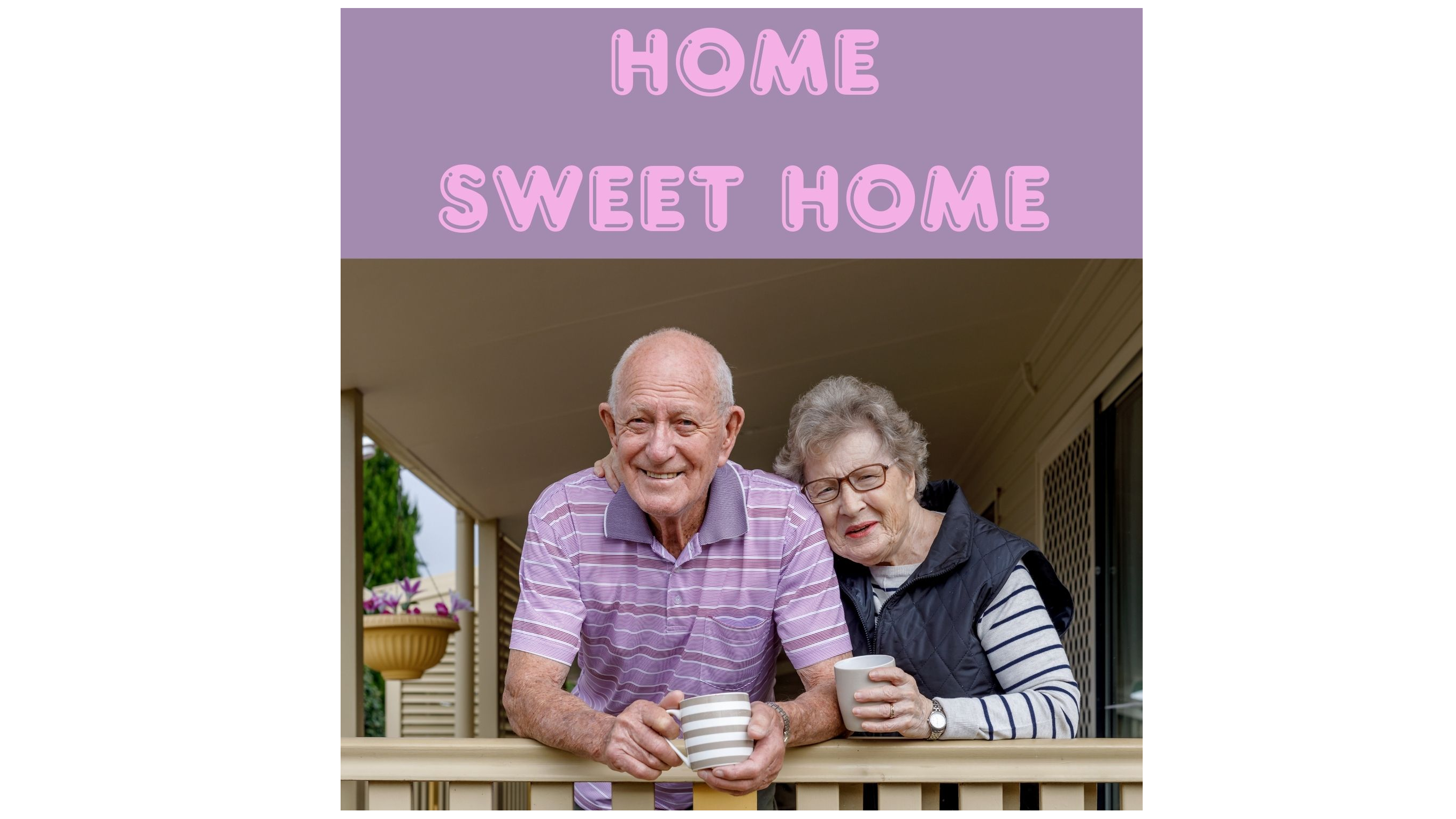
The dream of aging comfortably in your own home is shared by millions of Americans over 50, but the reality often falls short of expectations. While the desire is strong, the preparation is lacking - creating a gap that needs immediate attention for anyone serious about staying in their beloved "Home Sweet Home."
The statistics paint a clear picture of what Baby Boomers, Gen Xers, and adults 50+ truly want. According to AARP research, studies show that between 75% and 90% of adults over 50 would prefer to age in place. The emotional connection to home runs deep - these are spaces filled with decades of memories, familiar routines, and the comfort that only comes from being surrounded by a lifetime of personal belongings.
However, there's a significant problem lurking beneath this desire. A 2020 report reveals that only 10% of American homes are considered "aging ready," meaning they have features like step-free entryways and accessible bathrooms. This massive gap between desire and reality creates both challenges and opportunities for families planning their future.
The consequences of this mismatch can be serious. When homes aren't properly prepared for aging residents, accidents become more likely, independence gets compromised, and the very goal of aging at home becomes threatened. Boomers Magic was created specifically to address this challenge, offering trusted guidance from fellow Baby Boomers who understand both the dream and the practical steps needed to achieve it.
Successfully aging at home isn't about making random improvements - it requires a strategic approach that addresses the most critical areas of daily life. The Boomers Magic platform organizes this complex topic into six manageable categories, each designed to tackle specific challenges that arise as people age in their homes.
The foundation of aging in place starts with making physical modifications that allow accessibility and comfort. This category focuses on structural changes that allow homes to evolve with changing mobility needs. Walk-in showers with built-in seating eliminate the dangerous step-over required by traditional tubs, while stair lifts provide safe access to multiple levels without the need to relocate bedrooms or living areas.
Kitchen modifications deserve special attention, as this central gathering space needs to remain functional for years to come. Adjustable-height countertops accommodate wheelchair users or those with back problems, while strategic lighting improvements help with food preparation and cooking safety. Some families are even adding glass sunrooms for those who can no longer walk outdoors but still want to enjoy natural light and outdoor views.
Safety modifications represent one of the highest-impact investments families can make. Research suggests that simple safety upgrades can significantly reduce the risk of home accidents, making this category both practical and potentially life-saving. Advanced home security systems provide peace of mind for both residents and their adult children, while medical alert systems with fall detection offer immediate help when accidents do occur.
Lighting improvements throughout the home address one of the most common accident causes - poor visibility. Non-slip flooring solutions prevent falls in high-traffic areas, and smart smoke and carbon monoxide detectors provide early warning systems that work even when residents might not hear traditional alarms. These modifications create layers of protection that significantly reduce the risk of serious accidents.
Physical activity remains vital for healthy aging, but traditional gym memberships often become impractical as mobility decreases or transportation becomes challenging. Home-based fitness solutions offer the perfect alternative, allowing people to maintain their health without leaving their comfort zone. Chair yoga and gentle stretching provide low-impact options for maintaining flexibility, while resistance band training offers strength building without heavy weights.
Perhaps most importantly, exercise at home can be genuinely fun. Dancing to favorite classic rock songs provides excellent cardiovascular benefits while releasing mood-boosting endorphins. Tai Chi offers balance and flexibility training that directly reduces fall risk. These activities prove that staying fit doesn't require marathon running or expensive equipment - just creativity and consistency.
Security extends far beyond traditional home protection systems. Unfortunately, criminals specifically target older adults more than any other demographic, making digital security and scam awareness critical components of aging safely at home. Strong password protection and understanding online safety basics help protect against identity theft and financial fraud.
Emergency communication systems ensure that help is always available, while regular home maintenance safety checks identify potential hazards before they become serious problems. This proactive approach to security addresses both physical safety and financial protection, creating multiple shields against the various threats facing older adults.
Retirement and later life stages should be filled with joy and engagement, not isolation and boredom. Creating dedicated entertainment spaces within the home combats loneliness while providing opportunities to pursue new interests and hobbies. Craft corners encourage creativity, while puzzle stations offer mental stimulation and a sense of accomplishment.
Movie nights become special events when homes are equipped with comfortable seating and good audio systems. Garden rooms and growing areas allow people to maintain their connection with nature and enjoy the satisfaction of nurturing plants. Virtual social connection tools help maintain relationships with family and friends, ensuring that physical limitations don't mean social isolation.
Modern technology offers incredible opportunities for aging in place, but only when it's implemented thoughtfully and introduced gradually. Smart home devices should make life easier, not more complicated. Voice-controlled assistants provide an intuitive starting point because they respond to natural speech rather than complex interfaces.
Automated lighting and temperature control eliminate the need to navigate stairs or dark hallways to adjust comfort settings. Video calling capabilities help maintain family connections, while medication reminder systems support independent health management. The key is starting small and building confidence with each new device rather than attempting to automate everything at once.
Behind every trusted resource is a story of real people facing real challenges. Boomers Magic didn't emerge from a corporate boardroom or marketing department - it was born from the kitchen table discussions of Sandy and Charlie Morris, a Baby Boomer couple who found themselves searching for reliable information about aging at home and discovering a frustrating lack of peer-based guidance.
Sandy brings years of hospitality and customer service experience, understanding how small details can make enormous differences in people's comfort and satisfaction. Charlie is an Army veteran with a background in financial services and real estate, bringing military-trained attention to detail and strategic planning skills to every recommendation they make.
Their journey began three years ago when an elderly neighbor fell in her bathroom and couldn't get immediate help. While researching solutions to prevent similar incidents, they discovered that most available information was written by people who had never actually faced these challenges themselves. This realization sparked their mission to create a resource by seniors, for seniors.
What sets Boomers Magic apart from other resources is their commitment to peer-based recommendations. Every product review, modification suggestion, and piece of advice comes from actual experience or testing within their Baby Boomer community. They don't rely on manufacturer claims or theoretical benefits - they test everything themselves or work with trusted community members who provide honest feedback.
This approach eliminates the frustration of reading reviews written by 30-year-olds speculating about what their grandparents might like. Instead, readers get straightforward assessments from people who understand the specific challenges, budget considerations, and practical needs that come with aging at home.
Before recommending any product or modification, Boomers Magic puts it through their "Boomer Beta Testing" process. Real people dealing with real challenges try out solutions and provide detailed feedback about what works and what doesn't. This community-based approach ensures that recommendations are based on actual performance rather than marketing promises.
The veteran-owned business brings military values of preparation and leaving no one behind to their mission. They understand that aging at home successfully requires strategic planning, but they also believe it should include plenty of fun and joy along the way.
When families begin planning for aging in place, they often feel overwhelmed by the scope of potential modifications needed. However, research and experience consistently point to one area as the highest priority: the bathroom. Understanding why bathrooms are so critical and which modifications provide the biggest safety impact helps families make smart decisions about where to invest their time and money first.
Bathrooms are among the top locations for home accidents among older adults, making them the logical starting point for safety modifications. The combination of hard surfaces, water, soap, and the need to navigate tight spaces while potentially unsteady creates a perfect storm of accident risks. Falls in bathrooms are particularly dangerous because the hard surfaces of tubs, toilets, and tile floors can cause serious injuries.
The statistics are sobering but also encouraging - while bathrooms pose significant risks, they also offer the greatest opportunity for accident prevention through targeted modifications. Simple changes in this one room can dramatically improve overall home safety and provide peace of mind for entire families.
Grab bars represent the most cost-effective safety modification families can make, with professional installation typically costing under $200 but potentially preventing thousands of dollars in medical bills and lost independence. Strategic placement near toilets, in showers, and by bathtubs provides support exactly where it's needed most.
Non-slip surfaces address the fundamental problem of wet, slippery floors. These can range from simple adhesive strips in bathtubs to complete flooring replacement with textured tiles designed for senior safety. Walk-in showers eliminate the dangerous step-over required by traditional tubs, while built-in seating provides a safe place to rest during bathing.
Improved lighting deserves special attention because many bathroom accidents occur due to poor visibility. Motion-activated lights eliminate the need to fumble for switches in the dark, while brighter LED bulbs ensure adequate illumination for safe navigation. These modifications work together to create a bathroom environment that supports independence while minimizing accident risk.
The phrase "smart home" often triggers anxiety among Baby Boomers and Gen Xers who worry about complicated setup processes, ongoing technical problems, and feeling overwhelmed by rapidly changing technology. However, when approached strategically and introduced gradually, smart home devices can significantly improve quality of life and support aging in place goals.
Voice assistants like Amazon Echo and Google Home provide the most intuitive entry point into smart home technology because they respond to natural speech rather than requiring users to learn complex interfaces. These devices can control lighting, play music, set medication reminders, answer questions, and even make phone calls - all through simple voice commands.
The learning curve is gentle because most functions use conversational language. Instead of memorizing button sequences or menu structures, users simply ask for what they need: "Turn on the living room lights," "What's the weather today?" or "Remind me to take my medicine at 8 PM." This natural interaction method builds confidence quickly and encourages trying additional features.
Video calling technology has transformed family communication, making it possible to maintain close relationships despite physical distance or mobility limitations. Tablets provide larger screens that make conversations more enjoyable, while the simplicity of one-touch calling removes technical barriers that might prevent regular use.
Weekly video calls with grandchildren create anticipated events that bring joy to both generations. Family members can share photos, show off new purchases, give virtual home tours, and maintain the kind of regular contact that prevents isolation and loneliness. The visual component adds emotional richness that phone calls simply cannot match.
Smart thermostats offer both safety and financial benefits that make them particularly valuable for seniors aging at home. These devices can maintain safe temperature ranges automatically, preventing dangerous overheating or cooling that could pose health risks. Some models can even send alerts to family members if temperatures fall outside safe parameters.
The energy savings potential is significant, with many users reporting 10-15% reductions in heating and cooling costs. Smart thermostats learn usage patterns and adjust temperatures accordingly, ensuring comfort when people are home while conserving energy when they're away. Remote control capabilities allow adult children to help manage parents' comfort and energy costs from anywhere.
Aging at home successfully requires reliable information, tested solutions, and ongoing support from people who truly understand the journey. Generic advice from corporate websites or recommendations from people who haven't faced these challenges themselves often fall short when real-world implementation begins. Families need guidance from peers who have walked this path and can offer honest assessments of what works and what doesn't.
The six-category framework - Age at Home, Safe at Home, Exercise at Home, Secure at Home, Entertain at Home, and Smart Home - provides a structured yet manageable approach to aging in place planning. Rather than feeling overwhelmed by endless possibilities, families can focus on one area at a time, building confidence and improving their homes systematically.
Every recommendation comes from real-world testing and community feedback, ensuring that advice is practical, achievable, and truly beneficial. The veteran-owned business brings military values of thorough preparation and community service to their mission, creating a resource that families can trust with their most important decisions about aging and independence.
Thousands of Baby Boomers, Gen Xers, and adults 50+ are already using these strategies to create safer, more enjoyable home environments that support their independence for years to come. The dream of aging comfortably at home is achievable with the right guidance, strategic planning, and peer support from people who understand both the challenges and the tremendous rewards of staying in your beloved "Home Sweet Home."
For guidance on aging safely and happily at home, visit Boomers Magic where Sandy and Charlie Morris provide trusted, peer-tested solutions for Baby Boomers, Gen Xers, and adults 50+ who want to thrive in their own homes.


