Finding the right boarding facility for pets with medical conditions, disabilities, or special care needs isn’t just about availability—one wrong choice could lead to medical emergencies or compromised health that puts your vulnerable pet at serious risk.
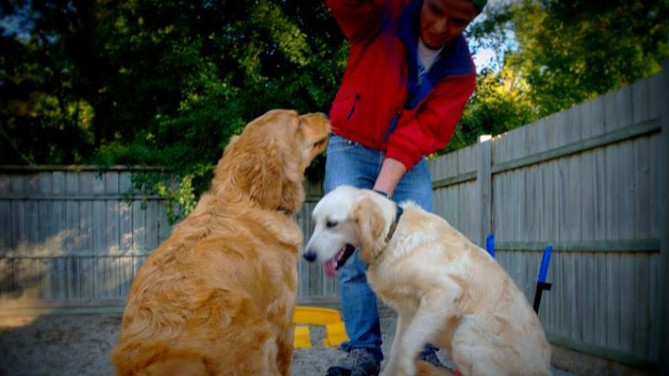
Finding the right boarding facility for a special needs pet involves more than checking availability and pricing. Pet owners in Hinsdale with elderly, disabled, or medically complex pets face unique challenges when traveling or needing temporary care. The wrong choice can lead to medical emergencies, increased anxiety, or inadequate care that compromises their pet's health and well-being.
Special needs pets include animals requiring additional attention, specialized care, or modified environments. Common examples include elderly pets with arthritis or cognitive decline, blind or deaf animals, pets requiring regular medication, diabetic cats and dogs, animals recovering from surgery, and pets managing chronic conditions like kidney disease or heart problems. Pets with trauma histories, past abuse, or congenital disabilities also fall into this category.
Many boarding facilities are equipped to care for special needs dogs, including those that are blind, deaf, or require diapers. Some facilities offer specialized care for geriatric pets, including those with joint stiffness or that need special foods, medication, or extra attention. Understanding what qualifies as "special needs" helps pet owners communicate their animal's requirements effectively to potential boarding providers.
The foundation of quality special needs pet care lies in the facility's experience and staff training. This question reveals whether the boarding provider has encountered situations similar to your pet's condition and how they've managed them successfully.
Generic special needs experience differs significantly from handling specific conditions like diabetes, seizure disorders, or mobility impairments. Ask for detailed examples of how they've managed pets with your animal's exact condition, including emergency protocols and daily management strategies.
Facilities experienced with diabetic pets should demonstrate knowledge of blood glucose monitoring, insulin administration timing, and recognizing symptoms of hypoglycemia. Those caring for mobility-impaired animals should show understanding of lifting techniques, comfortable positioning, and modified exercise routines.
Medical emergencies pose heightened risks for special needs pets, making emergency preparedness a critical consideration. Understanding a facility's protocols can mean the difference between prompt, life-saving intervention and delayed care that worsens your pet's condition.
Veterinary hospitals often provide medical boarding services for pets needing special attention, ongoing treatments, or medical supervision. Ask about their relationship with local emergency veterinary clinics and whether they have veterinarians on-site or on-call. Consider also researching other local emergency veterinary clinics in Hinsdale or nearby areas such as VCA Animal Hospital or Hinsdale Animal Hospital to understand your options.
Inquire about response times for different types of emergencies and whether staff are trained to recognize early warning signs of common complications associated with your pet's condition. The facility should have clear procedures for contacting you and your veterinarian, as well as authorization protocols for seeking emergency treatment.
Special needs pets often require precise medication schedules, monitoring of vital signs, or regular health assessments. Ask about their procedures for medication administration, including how they ensure accuracy, track timing, and document administration.
Some facilities maintain detailed medical logs, photograph medication administration, or provide daily health updates to owners. Understanding their monitoring capabilities helps determine whether they can adequately manage your pet's specific medical requirements throughout their stay.
Visual inspection of boarding facilities reveals information about their ability to accommodate special needs pets safely and comfortably. Any facility that refuses a tour should raise immediate red flags about their standards and practices.
Climate-controlled environments become especially important for elderly pets, those with respiratory conditions, or animals recovering from medical procedures. During your tour, assess whether kennels maintain consistent temperatures and adequate ventilation.
Look for comfortable bedding appropriate for pets with joint problems, non-slip flooring for animals with mobility issues, and quiet areas for pets sensitive to noise and stimulation. Senior dog boarding facilities often offer amenities such as comfortable bedding, specialized diets, and tailored exercise programs designed specifically for older animals' needs.
Special needs pets may require modified environments to prevent injuries or accommodate disabilities. Examine kennel heights, door latches, and barriers to ensure they prevent escapes while remaining accessible for pets with limited mobility.
Look for ramps instead of steps, padded surfaces to prevent injuries from falls, and secure but easily accessible water and food stations. Facilities should demonstrate understanding of how environmental modifications support pets with varying abilities and limitations.
Vaccination requirements protect all boarded pets, but special needs animals often have compromised immune systems that make them more vulnerable to infectious diseases. Understanding and verifying these requirements ensures your pet's safety.
Most kennels require dogs to have current vaccinations for their protection, including core vaccines for rabies, canine parvovirus, infectious hepatitis, canine distemper, and non-core bordetella (kennel cough) vaccination. Feline core vaccines include panleukopenia, herpesvirus, calicivirus, and rabies. Note that vaccination requirements can vary between facilities, and consulting with your veterinarian is vital to determine the appropriate vaccines for your special needs pet.
Special needs pets may require additional non-core vaccines like canine influenza, leptospirosis, or Lyme disease vaccines depending on their condition and risk factors. Discuss with your veterinarian which additional vaccines might benefit your special needs pet before boarding.
Facilities should require detailed veterinary records that outline your pet's medical history, current medications, dietary restrictions, and emergency contact information for your veterinarian. This documentation becomes vital for staff to provide appropriate care and recognize potential complications.
Some facilities may require recent health certificates or blood work for pets with certain medical conditions. Understanding their documentation requirements helps ensure smooth check-in and appropriate care throughout your pet's stay.
Maintaining familiar routines reduces stress and supports the health of special needs pets during boarding. Disruptions to established patterns can trigger anxiety, worsen medical conditions, or create behavioral problems.
Many special needs pets require prescription diets, specific feeding schedules, or modified food textures. Ask about their ability to accommodate dietary restrictions, medication timing with meals, and food storage protocols for prescription diets. Be aware that some facilities may charge extra for special diets or medication administration.
Some facilities provide high-quality, nutritious pet food and offer prescription diet options for dogs with dietary restrictions or sensitive stomachs. However, bringing familiar food often reduces digestive upset and maintains consistency for pets with sensitive systems.
Special needs pets often require modified exercise routines that balance physical activity with rest periods and medical limitations. Discuss how they adapt exercise for pets with arthritis, heart conditions, or mobility impairments.
Facilities should understand that some pets need shorter, more frequent walks, while others require gentle stretching or swimming therapy. The ability to customize activity levels demonstrates understanding of individual special needs requirements.
Choosing the right boarding facility for special needs pets requires careful evaluation of staff training, emergency procedures, facility accommodations, health protocols, and daily care customization. The questions outlined above help pet owners make informed decisions that prioritize their animal's safety, comfort, and well-being.
Quality special needs pet boarding combines medical knowledge, environmental modifications, individualized care plans, and emergency preparedness. Facilities that excel in these areas demonstrate their commitment to providing exceptional care for Hinsdale's most vulnerable pets. Consider researching multiple local options to find the best fit for your pet's specific needs.
Remember that the cheapest option rarely provides the specialized attention special needs pets require. Investing in quality boarding that understands your pet's unique requirements ensures peace of mind and optimal care while you're away.
For expert special needs pet boarding services in Hinsdale, visit Belle Aire Kennels to learn how their experienced team provides compassionate, professional care for pets with unique requirements.


