Recent laboratory tests revealed that advanced water purifiers can remove up to 99.99% of microplastics from drinking water—but here’s what’s alarming: scientists are now finding these invisible particles in human blood and even unborn babies.
Microplastic contamination in drinking water has transformed from an environmental concern to a potential threat to family health. Recent scientific discoveries revealing these tiny particles in human bloodstreams and developing babies have raised important questions about water safety at home.
Independent laboratory results conducted at the Royal Institute of Technology in Stockholm have confirmed exceptional performance levels for Bluewater's advanced water purification systems. The research, initiated by Bluewater and verified independently by bio-analytical testing group Eurofins, demonstrates that sophisticated purification technology can eliminate up to 99.99% of microplastic particles from contaminated water samples. These tests involved deliberately introducing high concentrations of microplastics into water sources before subjecting them to purification processes, creating realistic worst-case scenarios for evaluation.
The methodology employed rigorous scientific standards, with researchers contaminating water samples with various types of plastic particles to simulate real-world contamination levels. Advanced water purifiers demonstrated exceptional capability in removing these contaminants, providing measurable proof of their effectiveness against emerging water quality threats.
This breakthrough testing addresses growing concerns about microplastic infiltration into domestic water supplies. The verification process ensures that performance claims reflect genuine capability rather than theoretical potential, offering families concrete evidence of protection against this invisible contamination.
Microplastics represent a significant and escalating threat to human health, with particles smaller than 5 millimetres increasingly detected in water sources worldwide. These microscopic fragments originate from multiple sources, creating a complex contamination web that affects virtually every water supply system.
Groundbreaking research from Vrije Universiteit Amsterdam has detected microplastic particles directly within human blood samples, whilst Italian researchers at San Giovanni Calibita Fatebenefratelli Hospital discovered these contaminants in the placental tissue of unborn babies. These discoveries represent a watershed moment in understanding potential microplastic health implications, confirming that these particles successfully breach biological barriers previously thought impermeable.
The presence of plastic particles in developing foetal tissue raises questions about potential long-term health consequences. Research indicates that microplastics can carry toxic chemicals and potentially disrupt normal cellular functions, though studies on health impacts remain ongoing.
Microplastic contamination stems from numerous everyday sources that most families encounter regularly. The breakdown of larger plastic items creates countless microscopic fragments that enter water systems through surface runoff and groundwater infiltration. Personal care products containing microbeads contribute significantly to contamination levels, whilst synthetic clothing releases microfibers during washing cycles that eventually reach water treatment facilities.
Municipal water treatment systems, designed decades ago, lack the sophisticated filtration necessary to remove these microscopic particles effectively. Traditional treatment processes focus on bacteria, chemicals, and larger particles, leaving microplastics to pass through largely undetected into domestic water supplies.
Long-term microplastic exposure presents unknown but potentially serious health consequences. These particles can accumulate within human tissue over time, potentially carrying harmful chemicals absorbed from their environment. Research suggests possible links to inflammatory responses, cellular damage, and disruption of normal biological processes.
The particles' small size enables them to cross cellular membranes and potentially reach vital organs, including the brain and cardiovascular system. Whilst studies on long-term effects continue, the precautionary principle suggests that minimising exposure through effective filtration represents the most prudent approach for family health protection.
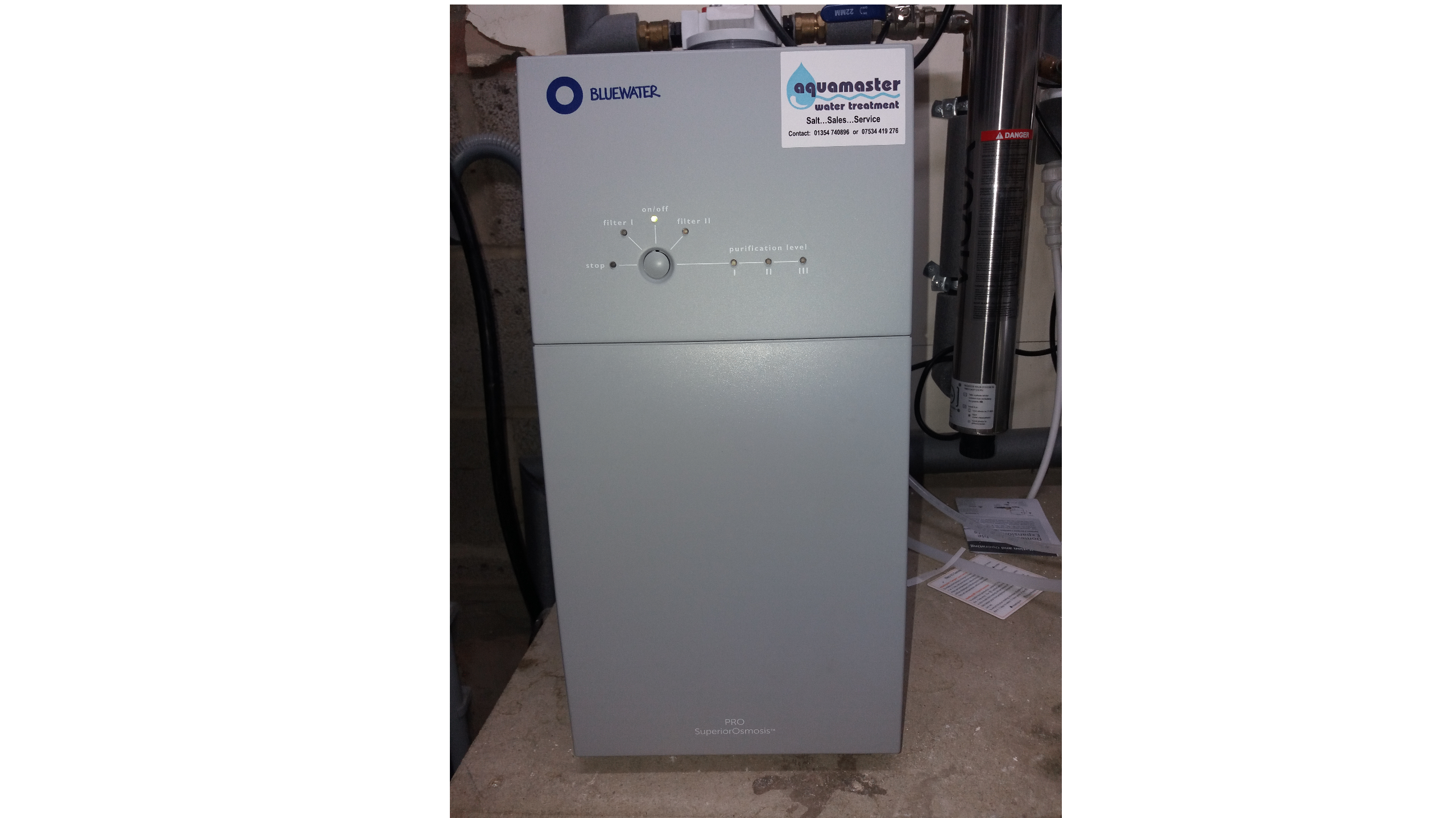
SuperiorOsmosis™ technology represents a significant advancement in water purification science, utilising multiple filtration stages to achieve exceptional contaminant removal. This sophisticated system addresses microplastic contamination through precision engineering that targets particles far smaller than conventional filtration methods can handle.
The technology employs semipermeable membranes with pore sizes measuring just 0.0001 microns, creating a physical barrier that prevents microplastic particles from passing through. This specification represents significantly finer filtration than most microplastics, which typically measure between 0.1 to 5,000 microns in diameter. The membrane's molecular-level precision ensures removal of plastic particles regardless of their specific composition or source.
This ultra-fine filtration capability exceeds the performance of traditional reverse osmosis systems, which typically operate with larger pore sizes. The precision engineering required to manufacture such fine membranes demands advanced materials science and quality control processes that ensure consistent performance over extended periods.
SuperiorOsmosis™ technology incorporates continuous membrane cleaning mechanisms that maintain optimal filtration performance throughout the system's operational life. This self-cleaning process prevents membrane fouling and particle accumulation that typically degrades conventional filtration systems over time. The cleaning mechanism ensures sustained high flow rates whilst maintaining exceptional purification standards.
The continuous cleaning process extends membrane lifetime significantly compared to traditional systems, reducing replacement frequency and maintenance requirements. This innovation addresses common reverse osmosis limitations, including reduced flow rates and increased wastewater production as membranes become clogged with filtered contaminants.
Rigorous independent testing provides validation for water purification performance claims, ensuring that laboratory results reflect real-world capability rather than theoretical potential. The verification process employed internationally recognised testing protocols and independent oversight to eliminate bias and confirm accuracy.
Bio-analytical testing group Eurofins provided independent verification of research conducted at Stockholm's Royal Institute of Technology, ensuring that testing methodologies and results met stringent scientific standards. This verification process involved a review of testing protocols, sample preparation methods, and analytical procedures used to evaluate microplastic removal performance.
The Royal Institute of Technology's involvement adds significant credibility to the research, given the institution's reputation for rigorous scientific methodology and advanced analytical capabilities. Eurofins' independent verification eliminates potential conflicts of interest whilst confirming that testing procedures followed established industry standards for water purification evaluation.
The testing methodology involved deliberately contaminating water samples with high concentrations of various microplastic types, creating challenging conditions that exceed typical household contamination levels. This approach ensures that performance results reflect capability under extreme conditions rather than optimised laboratory scenarios.
Researchers introduced different plastic particle types, including common varieties found in domestic water supplies, to evaluate removal effectiveness across diverse contamination scenarios. The deliberate contamination approach provides realistic performance data that families can rely upon when selecting water purification systems for their homes.
Performance comparison reveals significant differences between advanced purification systems and conventional filtration methods. Understanding these distinctions helps families make informed decisions about water quality protection for their households.
Current advanced reverse osmosis systems, including Bluewater's SuperiorOsmosis™ technology, typically achieve 94-100% removal of plastic fragments like PVC and PET when equipped with membranes featuring pore sizes down to 0.0001 microns. However, traditional systems often suffer from reduced flow rates and increased maintenance requirements as membranes become fouled with filtered contaminants.
Advanced systems incorporating SuperiorOsmosis™ technology demonstrate superior performance through continuous membrane cleaning and finer filtration capabilities. Studies indicate that reverse osmosis membranes can effectively filter particles as small as 0.0001 microns, significantly smaller than most microplastics encountered in domestic water supplies.
Conventional carbon filtration systems, whilst effective against chlorine and some chemicals, are not primarily designed for microplastic removal. Carbon filters rely mainly on chemical adsorption rather than physical filtration, making them less suitable for microplastic removal applications. While certain activated carbon filters can remove larger microplastic particles, they are not as effective as reverse osmosis systems for thorough removal.
Research demonstrates that carbon filtration alone cannot provide the microplastic removal that families require for optimal water quality protection. These systems may reduce some contaminants but allow many microplastic particles to pass through largely unfiltered, maintaining contamination levels in treated water.
High-capacity Bluewater purification models deliver substantial daily water production capabilities, with certain systems processing up to 6,912 litres per day whilst maintaining exceptional purification standards. This capacity ensures that large families and households with significant water consumption needs receive adequate supplies of purified water without compromise.
The high-volume capability demonstrates the system's commercial-grade performance applied to domestic applications. This production capacity, combined with continuous membrane cleaning, ensures consistent water quality regardless of demand fluctuations throughout the day.
Microplastic contamination in drinking water represents a concern that requires proactive protection measures. The evidence from independent laboratory testing demonstrates that advanced purification technology can provide protection against these invisible contaminants, offering families peace of mind about their water quality.
Scientific research confirming microplastics in human blood and developing babies underscores the importance of implementing effective filtration solutions. The 99.99% removal rate achieved through SuperiorOsmosis™ technology provides measurable protection against contamination that conventional filtration methods cannot match.
Investing in advanced water purification represents a step in safeguarding family health against emerging contamination threats. The combination of ultra-fine membrane filtration, continuous cleaning processes, and independent laboratory verification ensures that families receive genuine protection rather than theoretical benefits.
For water purification solutions that deliver proven microplastic removal, visit Aquamaster Water Treatment Ltd to learn about advanced filtration systems designed to protect your family's health.


