Tampa Bay’s 70%+ humidity creates ideal conditions for toxic black mold, causing respiratory issues and structural damage. Maintain indoor humidity at 30-50% to prevent growth, or call TampaBayMold.net for expert remediation services that eliminate mold and prevent its return.
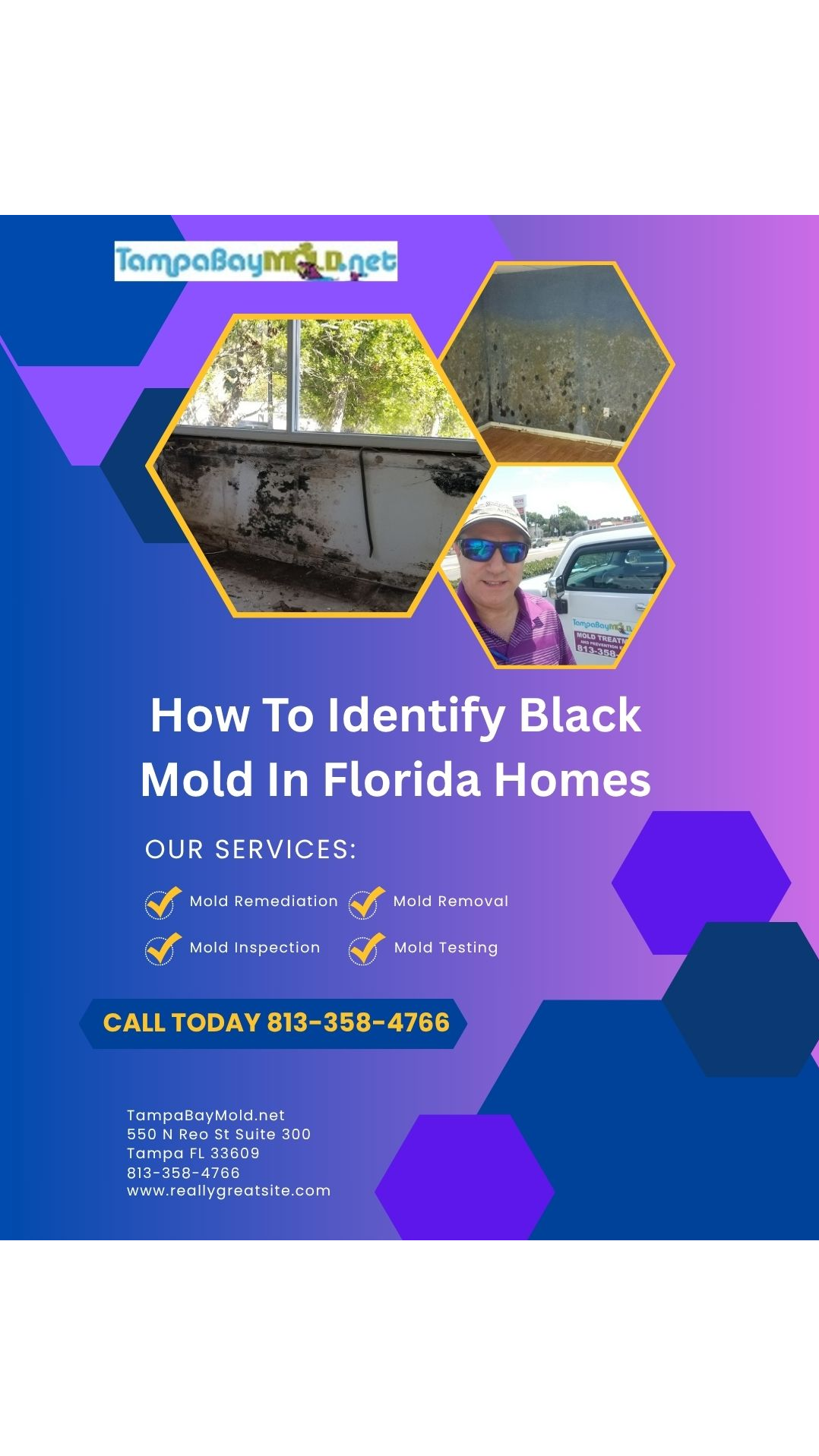
Tampa Bay's climate creates the perfect breeding ground for a dangerous household invader: black mold. With year-round humidity levels frequently exceeding 70%, Tampa residents face an ongoing battle against Stachybotrys chartarum (black mold) and its toxic effects. While many regions experience occasional mold problems, Tampa Bay's unique climate conditions create persistent challenges for homeowners that require specialized approaches to remediation and prevention.
Black mold isn't just unsightly – it's a serious health hazard that thrives in Tampa's humid environment. As moisture permeates walls, ceilings, and flooring, it creates the perfect conditions for black mold spores to activate and colonize. What makes Tampa's situation particularly challenging is the combination of high outdoor humidity, frequent rain, and the constant use of air conditioning systems that can create condensation issues when not properly maintained.
Unlike some common household molds, black mold (Stachybotrys) produces mycotoxins that can cause significant health problems. These toxic compounds are released into the air and can affect anyone in the home, though children, elderly individuals, and those with compromised immune systems face the greatest risk.
In Tampa Bay's humid climate, black mold grows particularly aggressively. The spores can quickly colonize damp surfaces, especially porous materials like drywall, carpet, and wood. Within 24-48 hours of moisture exposure, black mold can begin establishing colonies that are difficult to eradicate without professional intervention.
The distinctive dark green or black appearance of Stachybotrys is often accompanied by a musty, earthy odor that many Tampa residents mistakenly attribute to general humidity rather than recognizing it as a warning sign of mold infestation. This delayed recognition allows colonies to grow larger and release more mycotoxins into the living environment.
The high humidity in Tampa Bay doesn't just make black mold growth more likely—it can also intensify respiratory symptoms. When black mold releases spores and mycotoxins into the air, these particles easily enter the respiratory system, causing inflammation and irritation. Tampa residents exposed to black mold commonly report persistent coughing, wheezing, and shortness of breath that worsen during humid weather when mold activity peaks.
For those with asthma or other pre-existing respiratory conditions, black mold exposure can trigger severe attacks that may require medical intervention. The combination of Tampa's high humidity and black mold creates a particularly dangerous environment for these vulnerable individuals.
Allergic responses to black mold are widespread among Tampa Bay residents. These reactions often include sneezing, runny or stuffy nose, itchy eyes, and skin rashes. Many residents mistake these symptoms for seasonal allergies, especially given Tampa's year-round pollen issues. This misdiagnosis allows mold problems to persist untreated, creating a cycle of ongoing exposure and worsening symptoms.
One of the more insidious effects of black mold exposure is the development of chronic fatigue and persistent headaches. These symptoms can be particularly difficult to trace back to mold exposure, as they develop gradually and may be attributed to stress, work, or other lifestyle factors. Tampa residents living with undetected black mold often report feeling exhausted regardless of how much they rest, along with headaches that don't respond to typical treatments.
Extended exposure to black mold in Tampa's humid environment can lead to more serious health complications. Research suggests links between long-term mold exposure and memory problems, difficulty concentrating, and even neurological symptoms. For Tampa residents with compromised immune systems, the health risks are substantially higher and may include fungal infections that can spread throughout the body.
Tampa Bay's geographical location creates a perfect storm for black mold growth. The region's subtropical climate maintains average humidity levels between 70-90% throughout much of the year, well above the 70% threshold where mold begins to thrive. This persistent moisture in the air provides black mold with a constant source of the water it needs to grow and reproduce.
Indoor environments in Tampa often struggle to maintain healthy humidity levels between 30-50% without active intervention. When outdoor air enters homes through open windows, doors, or ventilation systems, it brings this excessive moisture indoors, creating ideal conditions for black mold to establish colonies in hidden areas.
Tampa's rainy season, typically running from June through September, dramatically increases black mold risks throughout the region. Heavy rainfall, tropical storms, and the occasional hurricane create flooding scenarios that can introduce massive amounts of moisture into homes and businesses. Even minor water intrusion events during these periods can trigger aggressive black mold growth within days.
After flooding events, many Tampa properties experience black mold outbreaks in areas that may have previously been mold-free. The combination of standing water, saturated building materials, and already high humidity levels creates perfect conditions for rapid mold colonization.
Tampa residents face a unique challenge in balancing indoor and outdoor humidity levels. Air conditioning systems, while necessary for comfort in Tampa's hot climate, can actually contribute to mold problems when not properly maintained. When cool air from air conditioning meets warm, humid air from outside, condensation forms on surfaces, creating moisture that black mold can utilize.
Many homes in Tampa Bay struggle with inadequate vapor barriers, insufficient insulation, or poorly designed ventilation systems that fail to address the region's extreme humidity challenges. These construction issues create cold spots where condensation forms, giving black mold the moisture foothold it needs to begin growing.
Black mold spores are constantly present in Tampa's air, both indoors and outdoors. These microscopic particles remain dormant until they encounter the right conditions to activate and grow. Understanding this activation process helps explain why Tampa's humidity makes the region so susceptible to black mold problems.
When humidity levels rise, mold spores absorb moisture directly from the air. Once they've accumulated sufficient moisture, they begin to germinate and extend hyphae (root-like structures) into whatever surface they're resting on. In Tampa's humid climate, this activation can happen rapidly – often within 24-48 hours of spores landing on a suitable surface.
Mycologists and indoor air quality specialists have identified 60% relative humidity as the critical threshold for black mold growth. Below this level, most mold spores remain dormant. Above it, they activate and begin colonizing surfaces. Tampa's average outdoor humidity routinely exceeds 70-80%, creating conditions where black mold doesn't just grow – it thrives.
This 60% threshold is particularly problematic for Tampa residents because the region spends most of the year above this critical level. Even well-maintained homes can struggle to keep indoor humidity below this threshold without active dehumidification systems running continuously.
Beyond ambient humidity, Tampa homes face numerous additional moisture sources that compound black mold risks:
The front line of defense against black mold in Tampa homes is effective dehumidification. Standalone dehumidifiers are necessary in most Tampa properties, particularly in basements, crawl spaces, and other areas prone to moisture accumulation. For optimal protection, look for units capable of maintaining humidity levels between 30-50% despite Tampa's challenging climate.
Whole-house dehumidification systems integrated with HVAC provide more comprehensive protection. These systems automatically extract excess moisture from the air throughout your entire home, maintaining healthy humidity levels even during Tampa's most challenging weather conditions.
Bathrooms, kitchens, and laundry areas generate significant moisture that must be effectively removed to prevent black mold growth. High-capacity exhaust fans vented directly outdoors (not into attics or crawl spaces) are necessary in these areas. For maximum effectiveness, fans should run during moisture-generating activities and for at least 30 minutes afterward.
Energy recovery ventilators (ERVs) offer another effective solution for Tampa homes. These systems exchange indoor and outdoor air while transferring heat and controlling moisture, helping to maintain healthy indoor humidity levels without excessive energy consumption.
Proper building envelope protection is crucial in Tampa's humid environment. Effective solutions include:
These measures create critical barriers between Tampa's humid outdoor environment and your controlled indoor spaces, significantly reducing black mold risks.
Air conditioning systems play a dual role in Tampa homes: they cool the air and remove moisture. Properly sized and maintained HVAC systems are necessary for black mold prevention. Regular maintenance should include:
Consider upgrading older systems to high-efficiency units with better moisture control capabilities designed specifically for high-humidity environments like Tampa.
Routine monitoring of high-risk areas allows for early detection and intervention before minor mold issues become major infestations. Pay particular attention to:
Catching mold growth early dramatically reduces remediation costs and health risks.
While some minor mold issues can be addressed by homeowners, certain signs indicate the need for professional intervention:
Professional black mold remediation follows a comprehensive process to ensure complete removal and prevent recurrence:
When selecting a mold remediation company in Tampa Bay, ask these critical questions:
Creating and maintaining a black mold-free environment in Tampa is possible with the right approach. The key is implementing comprehensive humidity control strategies while remaining vigilant for early signs of moisture problems. By understanding the unique challenges of Tampa's climate and taking proactive measures, you can protect your home and family from the toxic effects of black mold.
Controlling humidity is an ongoing process in Tampa Bay. Seasonal adjustments to your prevention strategies may be necessary as conditions change throughout the year. What works during the drier winter months may need enhancement during summer's peak humidity.
For properties with persistent mold issues despite prevention efforts, professional assessment can identify hidden problems that may be undermining your efforts. TampaBayMold.net specializes in addressing the relationship between Tampa's humidity and black mold, helping families breathe easier in healthier homes.


