BIBO air filtration systems are used beyond hazardous zones. Washington industry professionals explain their value in sterile food and precision environments.
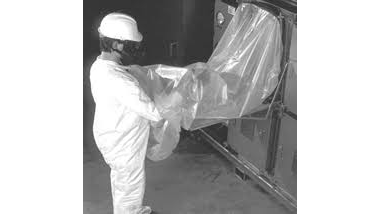
Bag-in/bag-out filtration systems, or BIBO units, have long been associated with the most high-risk industrial and research environments—places where even the smallest airborne particle can create dangerous consequences. Traditionally, these systems are a mainstay in laboratories handling infectious agents, nuclear facilities, and chemical manufacturing plants, where they help protect workers, the public, and the environment from hazardous contaminants.
But in recent years, the role of BIBO systems has expanded well beyond the obvious “danger zones.” They are now making a growing impact in cleanroom environments—spaces where the priority is not just containment of hazards, but absolute control of air purity to protect sensitive processes and products.
According to Pure Filtration Products, a BIBO units are increasingly being installed in industries where sterility and particulate control are mission-critical, even when no hazardous materials are present.
Examples include:
In these applications, the bag-in/bag-out feature ensures that filter changes do not reintroduce contaminants into the controlled environment—a must-have for operations that cannot afford production downtime or compromised quality.
Cleanroom regulations vary by sector, but the goal is consistent: keep airborne particles and biological contaminants at levels that will not interfere with the work being done.
BIBO housings play a crucial role here by enabling filter replacements without opening the system to the room air, which preserves sterility and prevents contamination of downstream equipment.
Washington’s industrial mix has created fertile ground for the wider use of secure air-handling systems. According to the Washington State Department of Commerce:
With so many sectors dependent on cleanroom technology, BIBO installations are increasingly written into facility design specs from the earliest planning stages, rather than added later as retrofits.
While the core design of a BIBO unit is standardized, its installation is not. A certified containment specialist will first assess:
As one senior technician explains, “When filters need to be replaced in a cleanroom, there can’t be any room for error. Containment systems only work when the full setup is airtight and accessible.”
The best BIBO installation in the world won’t deliver results without proper maintenance. Preventative care should include:
Failure to plan for ongoing service can result in contamination events, product losses, or costly repairs to the air-handling system itself. Experts recommend factoring in future access needs during the initial design phase to avoid awkward or unsafe maintenance situations later.
BIBO filtration systems have evolved from niche safety equipment into a core component of clean manufacturing and processing environments. In Washington and beyond, they’re helping facilities across food production, aerospace, biotech, and precision manufacturing maintain air purity, meet regulatory requirements, and protect both products and people.
As industries place higher value on hygiene and compliance, the bag-in/bag-out method’s ability to combine airtight containment with practical serviceability makes it a smart investment well beyond traditional high-risk zones.


