Biblical prophecy weaves through Daniel, Revelation, and Jesus’ teachings, painting vivid pictures of cosmic battles, mysterious beasts, and divine judgment. Four theological schools interpret these signs differently—some see ancient history, others await future fulfillment. These apocalyptic visions continue shaping how believers understand current events.
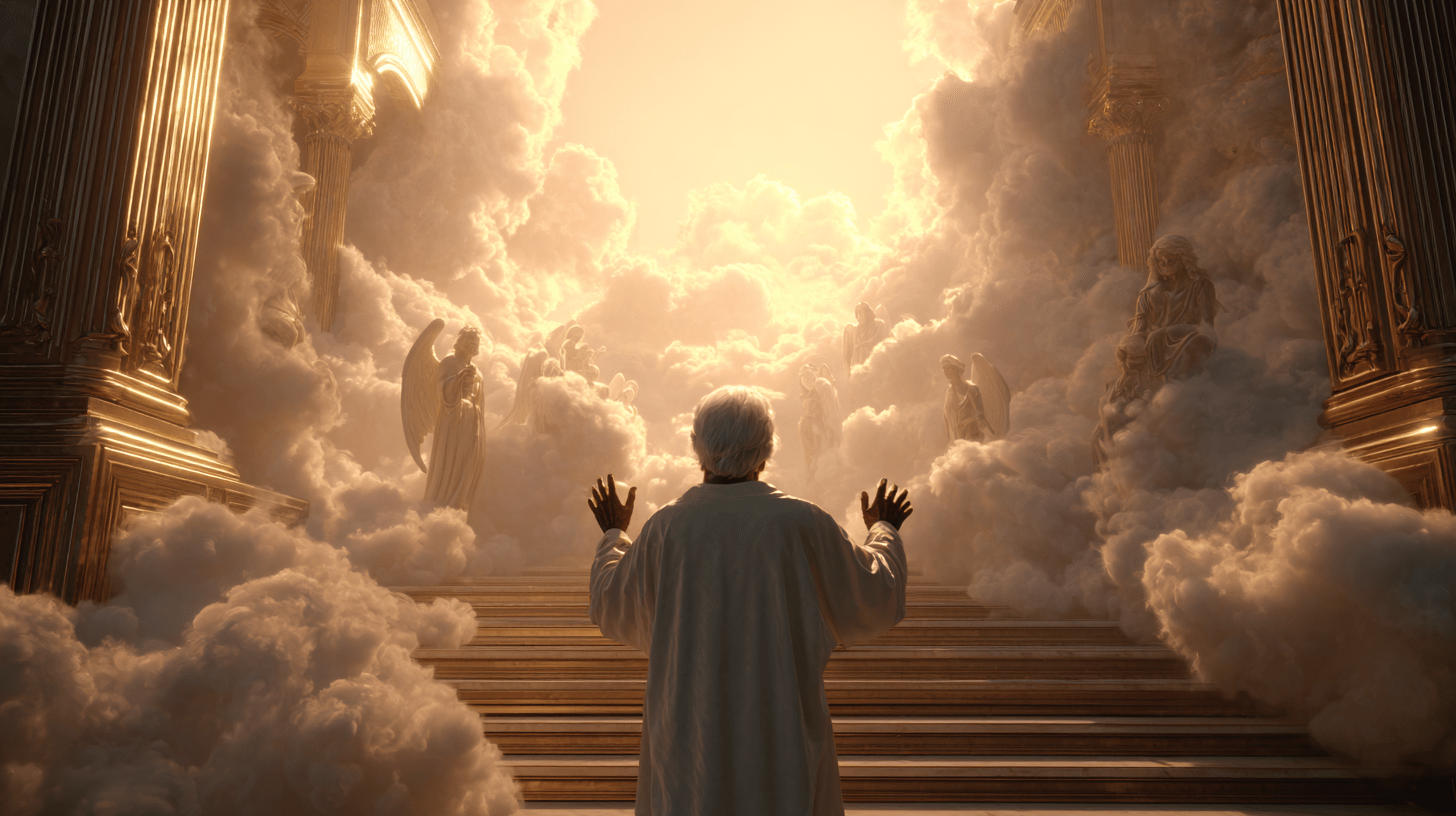
The Bible contains numerous prophecies about the end times, described through dramatic imagery of cosmic upheavals, spiritual warfare, and divine judgment. These apocalyptic passages have captivated believers for two millennia, inspiring both hope and speculation about when and how human history will reach its climax. Understanding these prophecies requires careful examination of scripture, awareness of different theological interpretations, and wisdom to apply ancient texts to contemporary life.
Biblical prophecy about the last days appears throughout scripture, with major passages found in the books of Daniel, Ezekiel, Joel, Zechariah, Matthew, 1 and 2 Thessalonians, 2 Peter, and Revelation. These texts employ vivid symbolic language to describe God's ultimate victory over evil and the establishment of His eternal kingdom. Modern explorations of these themes, such as examining whether the Four Horsemen of the Apocalypse are already active in our world, help believers connect ancient prophecies with contemporary experiences.
The Book of Revelation, written by the apostle John to seven churches in Asia Minor, provides the most extensive New Testament treatment of end-times events. Its complex visions of seals, trumpets, and bowls of judgment have generated countless interpretations throughout church history. Similarly, the Old Testament book of Daniel contains prophecies that Jesus himself referenced when teaching about the end times, particularly the mysterious "abomination of desolation" and the vision of seventy weeks.
Jesus' own teaching about the end times, recorded in Matthew 24 (known as the Olivet Discourse), provides crucial context for understanding biblical prophecy. When his disciples asked about signs of his coming and the end of the age, Jesus warned first against deception, then described various signs including wars, famines, earthquakes, persecution, and false prophets, calling these the "beginning of birth pains" rather than immediate indicators of the end.
Scripture describes numerous signs that would characterize the last days, though theologians debate whether these refer to specific future events or ongoing patterns throughout church history. The most commonly cited biblical signs include:
Jesus prophesied that the end times would be marked by "wars and rumors of wars" (Matthew 24:6), with nation rising against nation and kingdom against kingdom. The Book of Revelation describes massive conflicts culminating in the battle of Armageddon, where the forces of evil gather against God's people. Daniel's visions portray successive world empires leading to a final kingdom that will crush all others—interpreted by many as pointing to end-times geopolitical alignments.
Biblical prophecy frequently mentions earthquakes, famines, and pestilences as signs of the approaching end (Luke 21:11). More dramatically, multiple passages describe cosmic upheavals: the sun being darkened, the moon turning to blood, stars falling from heaven, and the powers of the heavens being shaken (Matthew 24:29, Joel 2:31, Revelation 6:12-14). The seventh bowl judgment in Revelation describes the greatest earthquake in human history, accompanied by 100-pound hailstones.
A recurring theme in end-times prophecy is widespread spiritual deception. Jesus warned that false prophets would arise and deceive many, even performing signs and wonders that could mislead the elect if possible (Matthew 24:24). Paul wrote to the Thessalonians about a great "falling away" or apostasy that would precede Christ's return, accompanied by the revelation of the "man of lawlessness" who would exalt himself above God (2 Thessalonians 2:3-4).
Multiple biblical passages describe a final world leader who will oppose God and persecute believers. This figure, called the Antichrist, the beast, or the man of lawlessness, will demand worship, perform deceptive miracles, and control global commerce through the infamous "mark of the beast." Revelation 13 provides the most detailed description, portraying this leader as empowered by Satan and aided by a false prophet who enforces his worship.
Jesus warned his followers that they would face hatred and persecution for his name's sake, with family members betraying one another and many falling away from faith (Matthew 24:9-13). Revelation describes end-times martyrs who refuse to worship the beast or receive his mark, choosing death rather than compromising their faith. This persecution is portrayed as more intense and widespread than any previous oppression of God's people.
Many biblical prophecies focus on Israel's end-times significance. Ezekiel 38-39 describes a massive invasion of Israel by a northern coalition, supernaturally defeated by God. Zechariah 12-14 portrays all nations gathering against Jerusalem before Christ returns to the Mount of Olives, splitting it in two and establishing his kingdom. The prophetic significance of Israel's modern restoration as a nation in 1948 remains a subject of theological debate, with some seeing it as fulfillment of biblical prophecy while others caution against conflating ancient Israel with the modern state.
Before the end comes, Jesus declared that "this gospel of the kingdom will be proclaimed throughout the whole world as a testimony to all nations" (Matthew 24:14). This has motivated centuries of Christian missionary efforts and continues to inspire evangelistic work, particularly with modern technology enabling unprecedented global reach.
Theological scholarship has developed four primary frameworks for understanding apocalyptic literature, each offering distinct perspectives on how and when prophetic events unfold:
Preterist interpreters argue that most biblical prophecies were fulfilled in the first century, particularly during the Roman destruction of Jerusalem in AD 70. They point to Jesus' statement that "this generation will not pass away until all these things take place" as evidence for first-century fulfillment. Leading preterist scholars like R.C. Sproul and N.T. Wright emphasizes how apocalyptic language often uses cosmic imagery to describe historical judgments, not literal cosmic catastrophes.
Historicists see Revelation and other prophecies as symbolic presentations of church history from the first century to Christ's return. Popular among Protestant Reformers who identified the papacy as the Antichrist, this view interprets prophetic symbols as corresponding to historical events like the fall of Rome, the rise of Islam, and the Protestant Reformation. While largely abandoned in modern scholarship, historicism contributed to the development of other interpretive approaches.
Futurist interpretation, particularly popular among American evangelicals, holds that most of Revelation (chapters 4-22) describes future events preceding Christ's second coming. This approach typically expects a literal seven-year tribulation period, the rise of a personal Antichrist, and specific fulfillment of prophetic details. Dispensational futurists like John MacArthur and Tim LaHaye distinguish sharply between God's plans for Israel and the church, often teaching a pre-tribulation rapture that removes believers before the final period of judgment.
Idealist interpreters view Revelation as portraying timeless spiritual truths rather than specific historical events. They see apocalyptic visions as symbolic representations of the ongoing cosmic struggle between good and evil, relevant to believers in every generation. Scholars like William Hendriksen and G.K. Beale employ "progressive parallelism," understanding Revelation's visions as multiple perspectives on the same spiritual realities rather than chronological sequences.
Modern theologians approach the relationship between biblical prophecy and current events with both seriousness and caution. Christianity Today editor Russell Moore warns against "prophecy chart fever," noting how confident predictions about the Soviet Union as Gog and Magog or specific dates for Christ's return have repeatedly failed. Contemporary scholarship emphasizes responsible interpretation that takes prophecy seriously while avoiding sensationalism and date-setting.
Discussions about digital payment systems, biometric identification, and implantable microchips often invoke Revelation's mark of the beast. However, most biblical scholars emphasize the symbolic nature of the mark as representing allegiance to anti-God systems rather than specific technologies. The original context likely referred to Roman economic practices and emperor worship, though the principle of coercive religious-economic control remains relevant.
While some interpret increasing natural disasters as fulfillment of end-times prophecy, theologians encourage balanced perspectives that acknowledge both divine sovereignty and human responsibility for creation care. Biblical prophecies about environmental catastrophe often include themes of renewal and restoration, not merely destruction.
Contemporary events in Israel and the Middle East generate significant prophetic speculation. However, scholars like Colin Chapman and Gary Burge caution against simplistic equations between modern geopolitics and biblical prophecy. Many theologians emphasize that supporting Israel politically should be distinguished from claiming specific prophetic fulfillment in current events.
Christian denominations hold surprisingly diverse views on eschatology, ranging from detailed prophetic timelines to more general affirmations about Christ's return:
Southern Baptists intentionally allow flexibility on millennial views, with dispensational premillennialism, historic premillennialism, and amillennialism all represented. Presbyterian churches predominantly embrace amillennialism through their Reformed heritage, viewing the millennium as Christ's current spiritual reign. Lutherans officially reject all forms of millennialism, interpreting Revelation's thousand years as symbolic of the church age.
Pentecostal and charismatic traditions generally favor premillennial views with the expectation of an imminent rapture, though scholarly diversity is increasing. Methodist churches maintain the greatest flexibility, focusing on practical Christian living rather than speculative eschatology.
The Roman Catholic Church explicitly rejects millennialism, teaching that Christ's kingdom cannot be realized through historical progress but only through divine victory over evil. Eastern Orthodox churches emphasize mystical preparation for Christ's return while avoiding detailed prophetic speculation, viewing the "end times" as beginning with John the Baptist's preaching.
Biblical prophecy serves multiple purposes beyond prediction: it encourages faithfulness during persecution, warns against complacency, and points believers toward their ultimate hope in Christ's return. The scholarly consensus emphasizes that prophecy should inspire holy living and gospel witness rather than fearful speculation or date-setting attempts.
Jesus himself warned that no one knows the day or hour of his return, instructing followers to "stay awake" and remain faithful rather than calculating prophetic timetables. The apostle Peter reminded believers that God's apparent delay stems from patience, "not wanting anyone to perish, but everyone to come to repentance" (2 Peter 3:9).
Biblical prophecy serves to inspire faithful living rather than fearful speculation. While Christians differ on whether apocalyptic signs like the Four Horsemen are past, present, or future, they unite around Christ's promised return. Understanding prophecy requires careful interpretation that balances scholarly insight with practical application. The enduring message remains constant: God controls history, evil will be defeated, and believers will share in Christ's eternal kingdom. This hope empowers Christians to live faithfully while proclaiming the gospel, regardless of the times.


