Are aluminum windows really the best choice for coastal homes? Learn about the five key reasons why homeowners and builders are making the switch to the material.
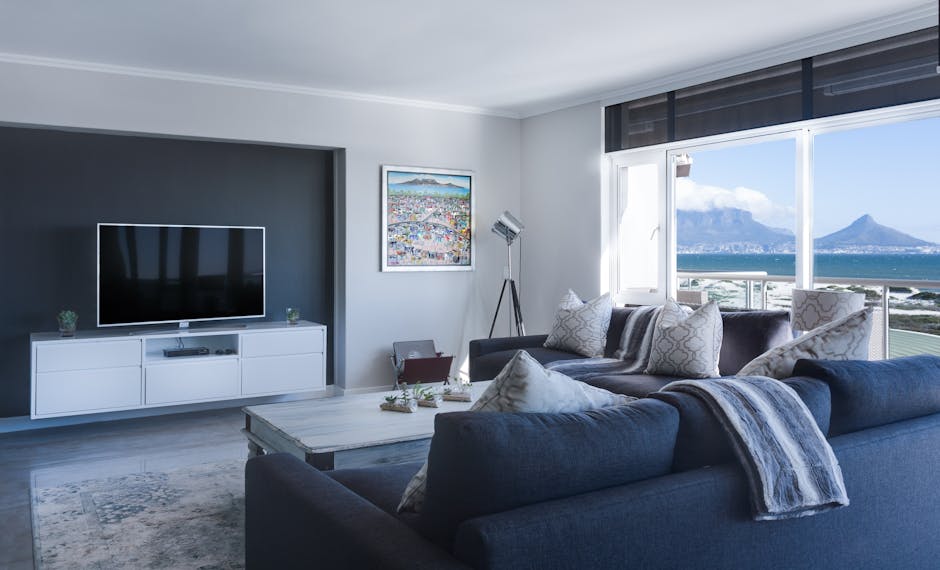
Living near the ocean means dealing with conditions most homeowners never worry about: salt spray drifts inland on every breeze, while humidity sits heavy in the air year-round; storm systems barrel through with alarming regularity, and your windows take the brunt of it.
Wood frames rot, vinyl warps and cracks, and steel corrodes faster than you'd think. The wrong material turns window replacement into a recurring expense, and in coastal zones, that's something you can't afford to ignore.
So, should you consider switching to aluminum windows?
It doesn't rust. Unlike steel, aluminum forms a protective oxide layer when exposed to air, and that layer stops corrosion before it starts, even when salt is constantly hitting the surface.
It handles humidity without breaking down. Wood swells and contracts with moisture changes, but aluminum stays dimensionally stable regardless of how muggy it gets, which matters when you're a quarter-mile from the water.
Hurricane-rated aluminum frames meet Florida Building Code requirements. If you're in a high-velocity hurricane zone, you need windows engineered to handle impact and wind pressure.
Aluminum frames provide the structural strength required for code compliance without adding excessive weight.
The material holds up to UV exposure. Coastal sun is relentless. Aluminum doesn't degrade under ultraviolet light the way some plastics do, and powder-coated finishes resist fading better than painted wood.
Maintenance is minimal. A rinse with fresh water every few months is usually enough. No sanding, no repainting, no wondering if this is the year everything falls apart.
PGT has been manufacturing impact-resistant windows in Florida since 1980. Their WinGuard line uses heavy-gauge aluminum and laminated glass designed specifically for hurricane zones.
CGI produces the Sparta Series, which features commercial-grade frames and multi-point locking systems. Their horizontal rollers use brass hardware that holds up well in salt air.
Andersen offers the A-Series with aluminum cladding over wood. It's a hybrid approach that gives you the strength of aluminum on the exterior with traditional aesthetics inside.
Coastal properties demand more from their building materials, and aluminum windows deliver corrosion resistance, structural performance, and low maintenance in conditions where other materials fail. If you're building or renovating near the water, it's worth the investment in a material engineered to last.


