Did you know mice can squeeze through holes the size of a pencil? Now that winter is approaching, you may want to consider checking your home for any gaps. If you see the signs of an infestation, keep these humane removal strategies in mind.
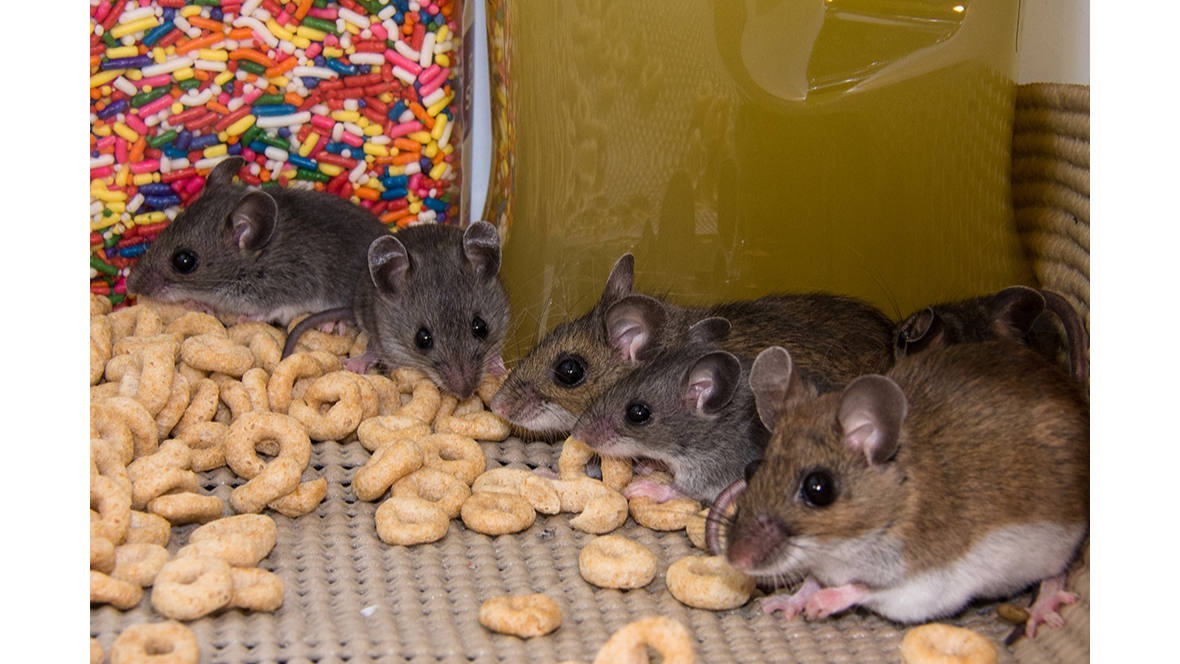
Winter brings unwelcome houseguests as temperatures drop and rodents seek warmth indoors. According to the 2019 American Housing Survey, 11.6 percent of households nationwide reported rodent problems annually, affecting an estimated 16.2 million homes and 38.5 million people. These unwanted invaders don't just create unsettling noises in walls—they pose serious health risks and property damage that demand immediate attention. The rodent control experts at Virginia-based Connor's Pest Pros explain how to tell that your home may have a rodent infestation and share proven mouse and rat elimination strategies.
Droppings are usually the first sign of an infestation. Mouse droppings resemble dark grains of rice, measuring about a quarter-inch long. Rat droppings appear wider and longer—roughly half an inch in length. These pellets typically appear in kitchen cabinets, along baseboards, and in storage areas where rodents forage for food.
Beyond droppings, homeowners should watch for gnaw marks on furniture, wires, and food packaging. Rodents constantly chew to wear down their incisors, leaving distinctive marks on cardboard boxes, wooden surfaces, and even electrical wires—creating potential fire hazards. Scattered nesting materials like shredded paper, fabric, or insulation indicate active nesting sites nearby.
Nighttime scratching or scurrying sounds in walls and ceilings signal peak rodent activity. Since mice are nocturnal creatures, these disturbances typically occur during evening hours when households settle down for the night.
The remarkable flexibility of rodents allows them access through surprisingly small openings. Mice can squeeze through holes as small as a quarter inch (the size of a pencil), while rats can enter through openings around half an inch (the size of a quarter). Common entry points include gaps around pipes, cracks in foundations, spaces under doors, and openings where utilities enter the home.
Basements, attics, crawlspaces, and areas around windows and doors provide the most vulnerable access points. Even the smallest structural gaps become highways for determined rodents seeking shelter from harsh weather conditions.
Rodents are attracted to food and water sources, making kitchens prime real estate for infestations. Unsealed food containers, pet food left out overnight, and even crumbs on countertops provide sustenance for growing rodent populations. Water sources from leaky pipes, pet water bowls, and condensation create additional attractions.
Garbage cans without tight-fitting lids offer buffet-style dining opportunities. Paper products and cardboard packaging also appeal to rodents both as food sources and nesting materials.
Successful rodent control begins with identifying access routes rather than randomly placing traps throughout the house. Conduct thorough inspections of basements, attics, and crawlspaces to determine where rodents live and build nests. Look for grease marks along walls, droppings near potential entry points, and signs of recent gnawing activity.
Focus detective work on areas where pipes and wires enter the home, gaps around windows and doors, and cracks in foundations. This strategic approach ensures trap placement targets active travel routes and nesting areas.
Snap traps offer a quick kill when used correctly, making them efficient and more humane than alternatives. These popular quick-trigger systems include bar traps, clam traps, and hidden kill designs. Electric traps lure mice into chambers before delivering fatal electric shocks, engineered specifically to prevent harm to humans and pets.
Peanut butter remains the most effective bait, though chocolate, bacon, bird seed, and nuts also attract rodents effectively. Avoid glue traps due to their inhumane killing method, and never use rodenticides like zinc phosphide in homes due to accidental poisoning risks, especially for children.
Rodents typically travel along walls and in areas showing signs of activity rather than crossing open spaces. Place traps perpendicular to walls with the trigger end facing the wall, creating natural funnels that guide rodents into the trap mechanism.
Target placement in vulnerable areas like behind trash cans, near food storage areas, and along baseboards where droppings appear. Pest control professionals can offer detailed guidance on humane and effective mouse removal methods for homeowners seeking professional insights on trap placement and elimination strategies.
Professional pest control services offer specialized solutions including identifying hidden entry points and developing control plans tailored to specific infestation patterns. Professionals possess proper training and tools to assess the full extent of problems that homeowners might overlook.
Consider professional intervention when DIY methods fail after several weeks, when infestations spread to multiple areas, or when health concerns arise from extensive contamination. Licensed professionals stay current with the latest treatment techniques and safety protocols.
Sealing entry points with steel wool and caulk is an effective method to prevent future rodent invasions. For gaps smaller than half an inch, use 100% silicone caulk. Larger openings require stuffing with steel wool or copper mesh first—materials rodents cannot chew through—then sealing with joint compound or foam insulation pest blockers.
Install door sweeps on exterior doors and weather stripping under garage doors. Regular inspections help identify new cracks or holes in walls, doors, windows, and foundations before they become access points.
Storing food in airtight containers and cleaning up spills immediately eliminates primary attractions for rodents. Transfer cereals, grains, and pet food from cardboard packaging to sealed metal or plastic containers. Clean countertops thoroughly, sweep floors regularly, and dispose of garbage in containers with tight-fitting lids.
Never leave pet food out overnight, and store trash away from the house when possible. Even small crumbs and food residue provide sufficient nutrition for rodent populations.
Fix leaky pipes, eliminate standing water, and remove pet water bowls overnight to reduce available water sources. Address condensation issues in basements and crawlspaces that create moisture attractive to rodents.
Maintain proper drainage around the home's foundation and repair any plumbing issues promptly to eliminate both water sources and potential entry points where pipes enter structures.
Rodents can transmit diseases such as hantavirus, leptospirosis, salmonellosis, and rat-bite fever through multiple transmission routes. Direct contact occurs through bites, handling infected animals, or touching contaminated surfaces. Indirect transmission happens through breathing dust contaminated with rodent urine or droppings, particularly dangerous when cleaning infested areas.
The Centers for Disease Control and Prevention warns that rodents contaminate food and water sources with their feces and urine, leading to illnesses like salmonellosis and leptospirosis. Ticks, mites, and fleas carried by rodents also spread diseases to humans and pets.
Beyond health concerns, rodents cause significant structural damage by gnawing through walls, wiring, and insulation. Electrical wire damage poses fire risks that threaten entire properties. Contamination from urine and feces requires extensive cleaning and sometimes replacement of insulation and building materials.
A single female mouse produces up to eight litters annually, potentially creating 100 young mice that exponentially increase damage and contamination throughout homes.
Peppermint oil, lavender, and garlic serve as natural repellents that can deter rodents from entering homes. Soak cotton balls in peppermint oil and place them near suspected entry points, refreshing the scent weekly for continued effectiveness.
Studies indicate that cat urine pheromones trigger hard-wired fear responses in mice. The combination of a cat and dog proves especially effective at scaring off rodents, though pet ownership involves significant commitments beyond pest control benefits.
Ultrasonic devices claim to repel rodents through high-frequency sounds, but scientific evidence supporting their effectiveness remains limited. Natural deterrents work best as supplementary measures alongside prevention strategies.
Rodent infestations escalate rapidly due to their prolific breeding patterns. What begins as a single mouse can become a substantial population within months if left unchecked. Early intervention prevents small problems from becoming major infestations requiring extensive professional treatment.
Regional factors like climate and housing age influence infestation rates, with colder regions often experiencing higher rodent pressure as animals seek indoor warmth and shelter. States in the Midwest and Northeast typically report higher percentages of homes affected by rodents due to harsh winters and older housing stock.
Immediate action upon discovering initial signs—droppings, gnaw marks, or scratching sounds—prevents population growth and reduces health risks and property damage. Combining multiple elimination and prevention strategies provides the most effective approach to rodent control.


