Building up to a half marathon isn’t about speed—it’s about structure. Experts agree that starting with a 5K or 10K on varied terrain is one of the safest and smartest ways to go from couch to 21K (13.1 miles) without injury or burnout.
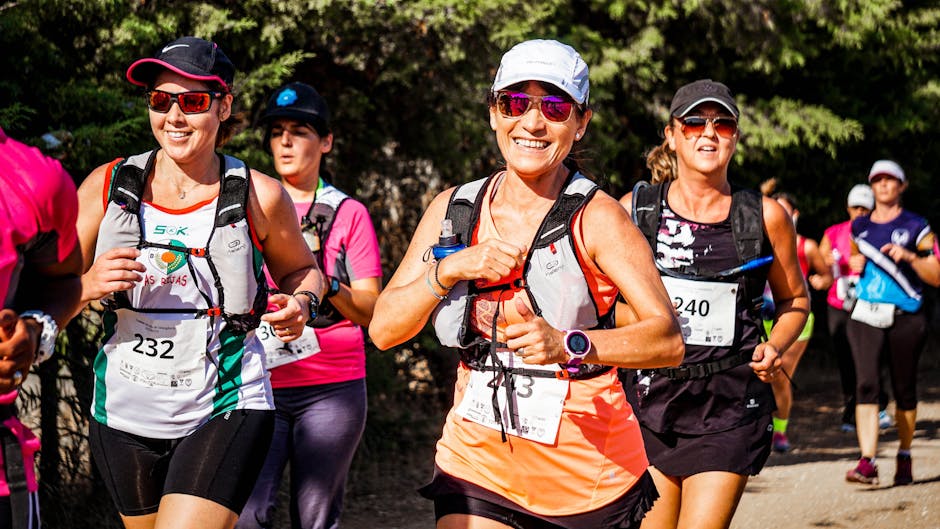
If you're eyeing your first half marathon, here's what the pros won't tell you in flashy ads: it doesn't start with race day. And it definitely doesn't start with 13.1 miles. It starts with a well-paced buildup—usually through 5K (3.1 miles) and 10K (6.2 miles) races—and it often starts months in advance.
Most beginner training plans recommend a 12-16 week timeline. But there's a catch: those plans usually assume you can already complete a 5K or 10K without much trouble. That's why the smartest half marathon prep begins long before you hit the double-digit mileage.
A phased approach like this is widely endorsed by running experts, including ASICS, Runner's World, REI, and the Mayo Clinic.
According to the Marathon Handbook, structured programs that incorporate shorter race milestones (like 5Ks and 10Ks) result in a significantly higher completion rate—80% to 90% of runners finish their half marathon when they train for 10+ weeks using a plan that scales up in intensity.
The logic is simple: you build a strong aerobic base with short runs and cross-training, then increase your weekly mileage by no more than 10% to prevent injury. Experts call this "progressive overload," and it's the cornerstone of injury-free half marathon training.
Here's what that typically looks like for beginners:
If you're planning to run on trails, swap out paved routes for hilly, mixed-terrain paths to prep your legs—and lungs—for off-road conditions. Trail-specific training should also include hill repeats and technical footwork drills. Experts at Epic Sports Marketing note that trail preparation isn't just about endurance; it's about balance, stability, and situational awareness too.
Training for a half marathon isn't just about putting in mileage. Most plans recommend a mix of:
If you're a new runner or have underlying health concerns, medical clearance before starting a plan is highly recommended. Incorporating dynamic warm-ups, cool-downs, and flexibility work also significantly reduces your risk of injury.
Signing up for shorter races during training not only helps you stay motivated, it gives you real-time feedback on your pace, endurance, and mental game.
Look for events that offer multiple race distances so you can train progressively without hopping from venue to venue. For example, some races offer 5K, 10K, and half marathon (13.1 miles) options on the same day, making them ideal for beginners testing their limits or those hoping to hit a longer distance later in the year.
Events like these also offer trail-style options, varied elevation, and the kind of community support that helps runners push past their plateaus.
Training for a half marathon is about building a smart, sustainable plan that meets your current ability and grows with you. Starting with local 5K or 10K trail races can give you the foundation you need to run strong on race day, whether that's next month or next season.
If you're looking for beginner-friendly trail events that support this kind of gradual training approach, community-based races like the Lake Norman Turkey Trot in Cornelius, NC can offer a practical stepping stone.


