If your closet feels chaotic and cramped, you’re probably making one critical mistake that wastes up to 70% of your storage space. Here’s how modular systems can transform even the tiniest closet into an organized powerhouse.
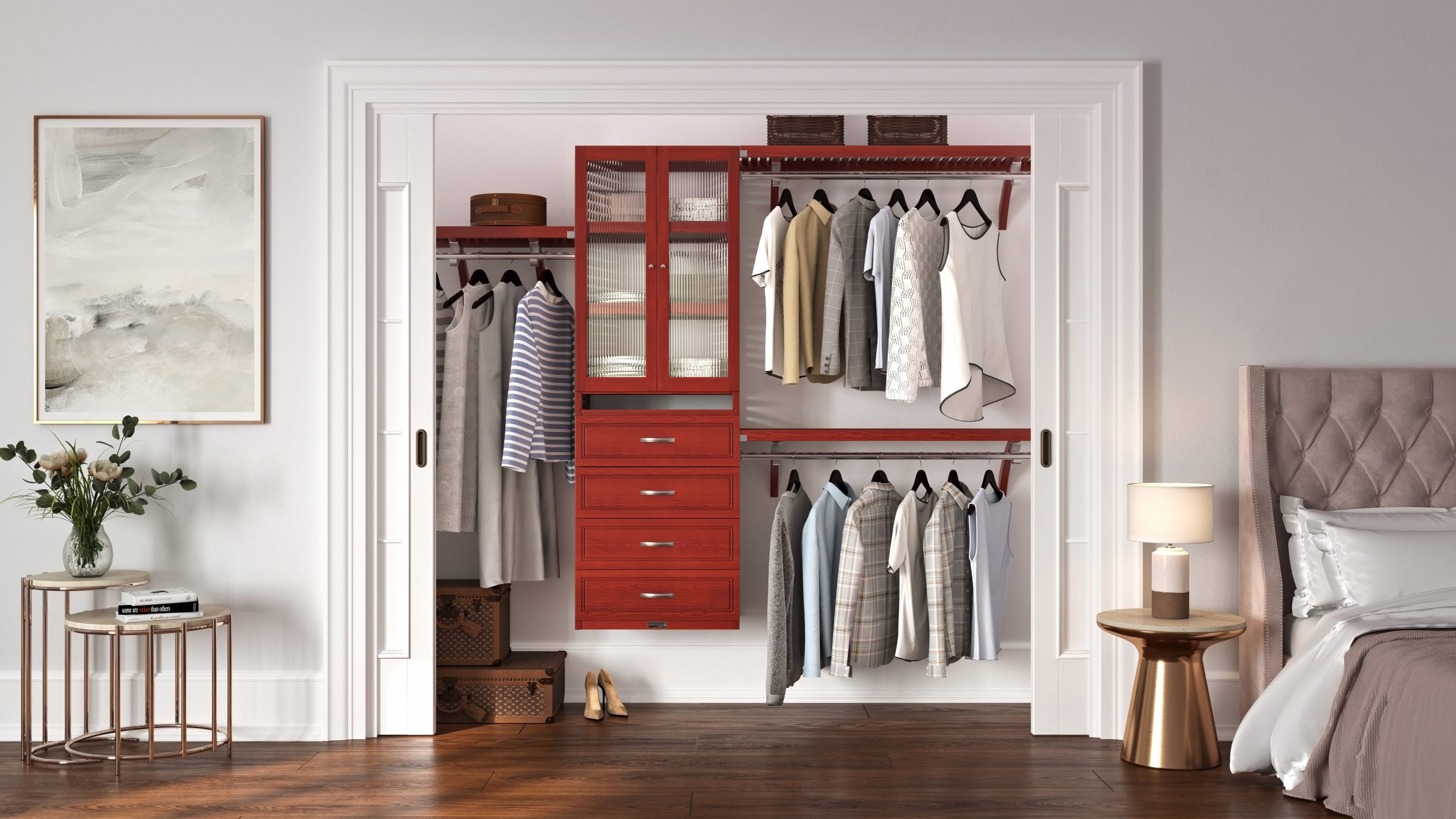
Traditional closets with a single hanging rod and basic shelf leave massive amounts of space unused, creating frustrating clutter and wasted potential. Modular closet systems revolutionize storage by dividing space into purposeful zones designed around actual belongings rather than one-size-fits-all solutions. These systems utilize every available inch, from floor to ceiling, transforming even the smallest closets into highly organized storage environments.
The transformation happens through strategic compartmentalization that accommodates different clothing types, accessories, and personal items. Instead of cramming everything onto one rod, modular designs create designated areas for hanging clothes, folded items, shoes, and accessories. This systematic approach eliminates the chaos of searching through piles and reduces the time spent getting dressed each morning.
Modular closet systems can significantly increase storage capacity in small apartments, as they maximize every available inch of space. John Louis Home, who specialize in solid wood storage solutions, advise organizers not to overlook accessories for their storage towers that can transform them with shelves, baskets and drawers into creative storage solutions tailored to individual needs.
Modular systems adapt to personal wardrobes rather than forcing belongings into generic spaces. Whether storing long dresses, business suits, athletic wear, or seasonal items, each component can be positioned and sized according to actual requirements. This customization eliminates wasted vertical space above shorter items and creates efficient storage for everything from jewelry to bulky sweaters.
Traditional closets typically waste significant vertical space with single hanging rods positioned at average heights. Modular designs implement multiple hanging levels, allowing short items like shirts and folded pants to occupy lower sections while reserving full-height areas for dresses and coats. This vertical optimization can double or triple hanging capacity without expanding the closet footprint.
Life changes bring different storage requirements, from career transitions requiring different clothing styles to seasonal rotations demanding flexible space allocation. Modular components can be repositioned, added, or removed without reconstruction, ensuring the closet system grows and adapts with changing needs. This flexibility prevents the need for complete closet overhauls when circumstances change.
Standard closet solutions struggle with unique architectural features like sloped ceilings, corner placements, or irregular dimensions. Modular systems work well in these challenging spaces by offering components that can be trimmed, angled, or configured to work with existing structural elements. This adaptability transforms previously unusable areas into valuable storage space.
Unlike built-in closet systems that become permanent fixtures, modular components can be dismantled and relocated to new homes. This portability protects the investment while ensuring organized storage continues regardless of housing changes. The ability to reconfigure components for different closet dimensions adds long-term value to the initial investment.
Adjustable shelving forms the backbone of effective modular systems, accommodating items of varying heights while maintaining accessibility. Pull-out drawers provide organized storage for smaller items like undergarments, accessories, and folded garments, eliminating the frustration of reaching into deep spaces. These components work together to create designated homes for every type of belongings, reducing clutter and improving organization efficiency.
Wire shelving offers cost-effective ventilation and visibility, making it ideal for items that benefit from air circulation. Solid shelving provides a premium appearance and better support for heavier items. The choice between materials depends on budget considerations, aesthetic preferences, and specific storage requirements.
Strategic placement of multiple hanging rods maximizes vertical space while creating logical clothing categories. Double-hung rods accommodate shirts and pants in compact areas, while full-length sections serve dresses and coats. Specialty organizers like tie racks, belt holders, and shoe storage integrate seamlessly with rod systems to create storage solutions.
Rod materials and finishes can be customized to match existing décor and personal preferences. Heavy-duty options support substantial weight loads, while adjustable lengths accommodate various closet widths. The key lies in selecting components that balance functionality with aesthetic appeal.
Wire shelving works well in areas requiring ventilation, such as storing athletic wear or items prone to moisture retention. The open design promotes air circulation while maintaining visibility of stored items. Cost-effectiveness makes wire shelving a good choice for budget-conscious installations or rental properties.
Solid shelving offers superior support for heavier items and creates a more finished, upscale appearance. The smooth surface prevents smaller items from falling through gaps and provides better protection for delicate fabrics. Consider solid shelving for areas storing folded sweaters, accessories, or items requiring stable, flat surfaces.
Organized closets eliminate the daily frustration of searching for specific items by creating logical storage categories. Work clothes occupy dedicated sections separate from casual wear, while accessories have designated spaces that prevent tangling and damage. This systematic approach transforms morning routines from stressful searches into efficient processes.
The psychological benefits of organization extend beyond time savings. Well-organized spaces create a sense of control and accomplishment that positively impacts daily mood and productivity. When everything has a designated place and items are easily accessible, getting dressed becomes a pleasant start to the day rather than a source of stress.
Proper lighting transforms closet functionality by making item identification quick and accurate. LED strips provide energy-efficient illumination that reveals true colors and fabric details, preventing mismatched outfits and ensuring a professional appearance. Motion-sensor activation adds convenience by automatically illuminating the space when entering the closet.
Strategic light placement eliminates shadows in corners and behind hanging clothes, ensuring complete visibility throughout the closet. Battery-powered options offer installation flexibility without electrical work, while hardwired systems provide permanent solutions for extensive closet renovations.
A successful closet transformation begins with an honest assessment of current storage challenges and future needs. Document existing inventory, identify problem areas, and consider lifestyle changes that might affect storage requirements. This foundation ensures the modular system design addresses real needs rather than assumptions.
Start with core components like adjustable shelving and hanging rods, then add specialty organizers and accessories as the system develops. This phased approach spreads costs over time while allowing refinement of the organization system based on actual usage patterns. The modular nature ensures components can be easily added or repositioned as needs become clearer.
Professional consultation can provide valuable insights into space optimization and component selection, ensuring maximum return on investment. Many modular system providers offer design services that translate storage needs into practical solutions using their specific product lines. So, don't wait in the chaos, turn a cluttered closet into an organized oasis that's as unique as an individual's fashion style!


